
EXTERIOR HOME IMPROVEMENT SERVICES
Exterior improvements
Siding that refreshes your home. A patio made for spending time together. Windows, gutters and roof details that complete the picture. Explore your options with Accent, your local exterior home improvement team.
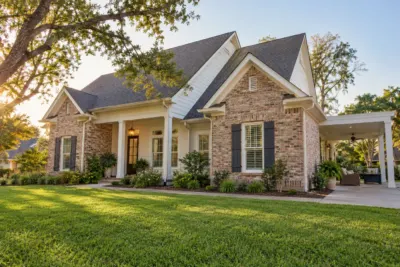
A PLAN THAT FITS YOUR HOME
Find the right starting point.
Explore the details that match your project before choosing a service.

Siding, decorative trim and exterior finishing details
Siding & trim
A fresh exterior, finished properly.
Choose vinyl siding or James Hardie fiber-cement siding, then bring the entire exterior together with soffit, fascia and decorative trim. Accent helps you look at the whole finish—from the wall surface to the last corner.

Covered patio and outdoor living space
Patio covers
More room to enjoy being home.
Make room for a quiet morning, an outdoor meal or the whole family. Explore flat-pan and insulated patio covers, decorative columns and screen or glass enclosures. A concrete slab or wood deck can be part of the conversation too.

Residential window and exterior trim details
Windows
A better outlook, inside and out.
New vinyl windows can change the look of a room and the way it feels to use it. Compare styles, frame finishes and glass options while reviewing the installation details around each opening. Ask about Alliance and Ply Gem options.

Gutter and downspout along a residential roofline
Gutters
Keep rainwater moving in the right direction.
A gutter system should look like it belongs on the house and work with the roofline. Accent’s seamless aluminum gutter options include different profiles, downspout arrangements, screen systems and colors to complement the exterior.
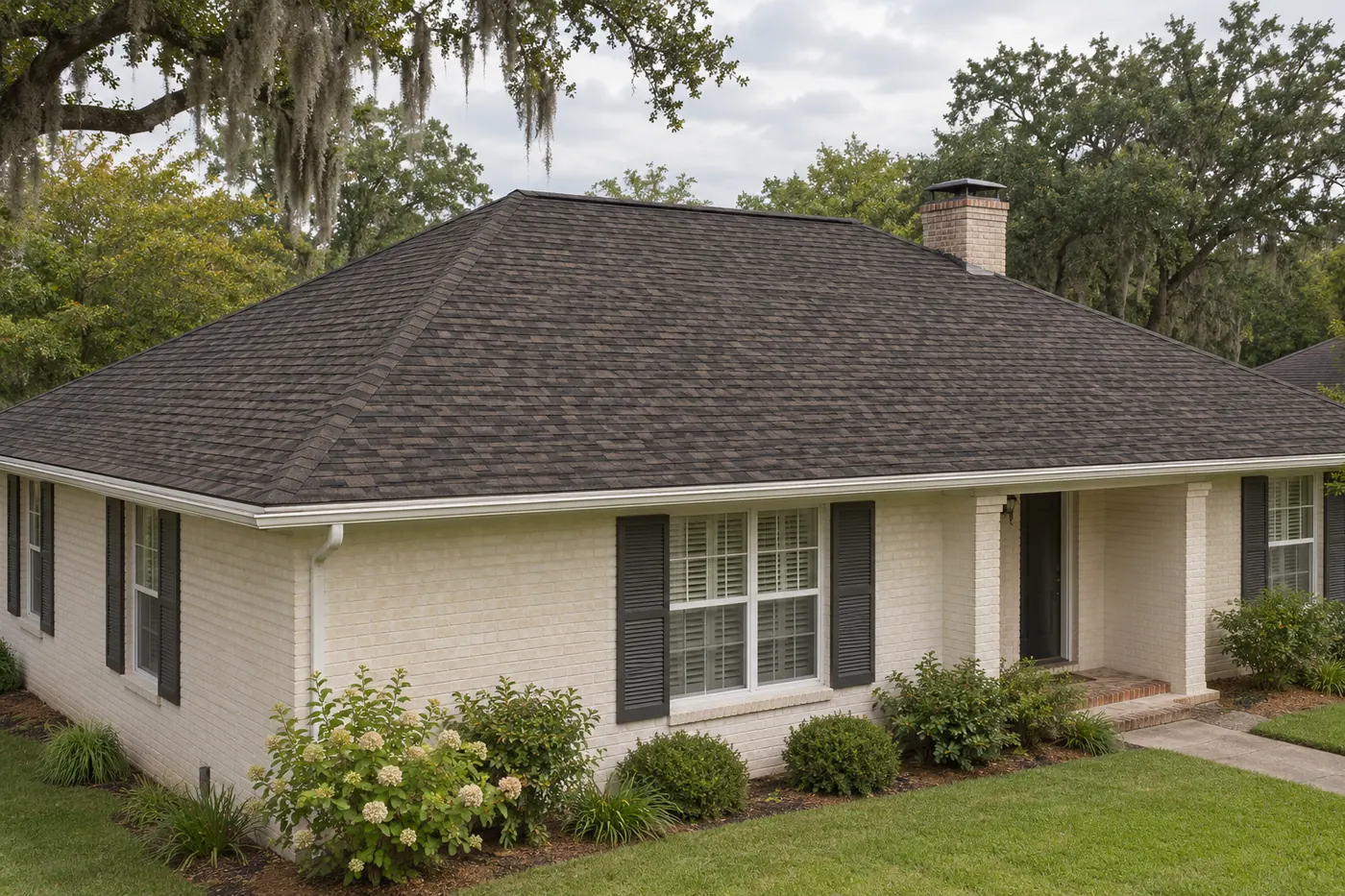
Roof material and roofline photograph
Roofing
A roof is more than its top layer.
Explore asphalt shingles, metal panels and flat-roof systems. Accent’s roofing conversation includes the existing roof, edges, flashing and drainage—not just the color of a new surface.

Patio enclosure and outdoor living details
Enclosures
Bring the outdoors a little closer.
Choose an open-air screened room or discuss an insulated glass enclosure. Screen walls keep the porch feeling open, while a glass enclosure creates a more sheltered place to spend time. Plan doors, windows and access around the way you use the space.
Before you decide
Bring your priorities into focus.
Start with what you want your home to do better
A useful exterior plan starts with a specific result. You may want easier-to-use windows, a shaded place for meals, a fresh siding finish or a better roof runoff route. Describe the problem in ordinary language before choosing products. Note which areas are urgent and which are preferences for a later phase. Photograph the whole elevation, the affected detail and the surrounding connections. Include your city or ZIP code, access constraints and the best way to reach you. That gives the first conversation a clear purpose and helps distinguish an appearance choice from a condition requiring closer assessment.
Think about connected work before selecting a finish
Exterior elements meet at shared details. Windows interrupt the wall finish, soffit and fascia complete the roofline, and a cover changes where shade and water reach an outdoor space. If several changes are planned, discuss their order before materials are finalized. Completing one surface too early can mean revisiting it when the next part is installed. Ask which existing components will remain and how the proposed work joins them. A coordinated plan can still be completed in stages, provided each stage has a defined scope and the later work is considered without promising an unassessed future conversion.
Use the proposal to compare real choices
Ask for the selected products, affected areas, preparation, removal, finish details, cleanup and exclusions in writing. Keep allowances and optional items distinct from included work. Discuss who handles approvals and related trades, and what happens if concealed conditions are found. Two totals are not directly comparable if they describe different materials or preparation. Keep the documents alongside sample selections and assessment notes so a later decision can be traced to an agreed scope. The goal is a clear project that matches your priorities, rather than a collection of claims about the cheapest price or the fastest possible finish.
Make the first conversation easy to act on
Choose one or two priorities and send enough information to explain them. You do not need to know the name of every material or measure the entire property before asking for help. A wide photo, a brief description and the location are a practical start. Mention active concerns, earlier repairs, planned related work and any association requirements. Say whether you prefer a call or an email response. Accent's team can then discuss the appropriate next step. Office visits are by appointment, so confirm where and when to meet before traveling. A form submission is a request for contact, not a construction booking.
Good questions. Clear answers.
A little clarity before you decide.
Open a question for a straightforward answer. For advice about your own home, tell us what you want to change and where the property is.
Prefer a conversation?
Eastbank 504-888-4733
Westbank 504-341-8178
Practical project notes.
Explore the decisions, details and preparation that help turn an exterior idea into a clear professional project.
FROM THE GROUND UP
Choose the floor. Plan the whole patio.
Concrete patios
Plan a concrete patio slab with your new cover or enclosure. Accent helps New Orleans area homeowners coordinate the floor, access and connected patio work.
Wood patio decks
Plan a wooden deck system with your patio cover or enclosure. Discuss access, layout, materials and the complete outdoor project with Accent in the New Orleans area.
Plan around the way you use your home.
Rental exteriors
Keep the property looking cared for, with a practical plan for the owner, the occupants and the work.
Less upkeep
Choose the siding, trim and exterior details with the next years of ownership in mind.
HOA projects
Bring your exterior ideas, product choices and association requirements into one organized project conversation.
Poolside shade
Make space for a shaded meal, a comfortable seat and an easier connection between the house and the yard.
One home. A considered plan.
Decide what you want the home to do better.
Start with the everyday result behind the request. You may want an exterior that feels more complete, a covered place to gather, windows that suit the rooms or a roof-edge system with a clearer discharge route. Describe that priority before choosing the largest possible package. Safe overall photographs and the property city or ZIP code give the first conversation useful context. Point out retained brick, trim, doors and surfaces that matter to the current plan. You do not need to diagnose concealed conditions or select every product before asking for an assessment. A defined starting point helps connect offered services to a practical improvement at your actual home instead of collecting unrelated features because they happen to appear in an inspiration photograph.
Bring connected work into the same conversation.
Siding, windows, covers, gutters and roofing can meet at the same wall, opening or roof edge. Mention other work you are considering and ask which sequence suits the assessed conditions. Sharing an interface does not automatically put every service in one agreement. Identify what belongs in the present phase, what remains and which tasks need another provider. Include household routes, gates, parked vehicles and access that must be considered during arrangements. If the project is phased, the first phase should have a complete finishing boundary in its own right. This makes it easier to understand protection, preparation and reinstatement responsibilities before products are ordered, without depending on an undefined later project to make the current improvement feel finished.
Compare the included work before making arrangements.
Review actual offered products alongside removal, preparation, installation, connected components and cleanup. Similar dimensions or product categories can describe different responsibilities, so ask what changes and what is retained. Have optional items and exclusions identified and agree how additional findings would be documented and approved before extra work proceeds. Share association instructions and confirm applicable review and submission responsibilities for the address and exact scope. Scheduling should be discussed using actual conditions, selected products and weather rather than a universal completion promise. Send your priorities through the estimate form or call Accent to begin that conversation. The next useful step is a proposal whose work and completion boundaries the household can understand and compare.
Explore the connected details.
Follow the options and local guides that fit your plans. Bring the relevant parts together when you request an estimate.
Community guides
- LaPlace project guide
- Luling project guide
- Destrehan project guide
- River Ridge project guide
- Hahnville project guide
- Avondale project guide
- St. Rose project guide
- Madisonville project guide
- Home Improvement Contractors in Harahan
- Home Improvement Contractors in Algiers
- Home Improvement Contractors in Jefferson, LA
- Home Improvement Contractors in Waggaman
- Home Improvement Contractors in Arabi
- Home Improvement Contractors in Meraux
- Home Improvement Contractors in Violet
- Home Improvement Contractors in Boutte
- Home Improvement Contractors in Norco
- Home Improvement Contractors in Reserve
- Home Improvement Contractors in Elmwood
- Home Improvement Contractors in Bridge City
Local services
- Siding Contractors in Metairie
- Patio Cover Installation in Metairie
- Window Replacement in Metairie
- Seamless Gutter Installation in Metairie
- Siding Contractors in Gretna
- Patio Cover Installation in Gretna
- Window Replacement in Gretna
- Seamless Gutter Installation in Gretna
- Siding Contractors in Kenner
- Patio Cover Installation in Kenner
- Window Replacement in Kenner
- Seamless Gutter Installation in Kenner
- Siding Contractors in Marrero
- Patio Cover Installation in Marrero
- Window Replacement in Marrero
- Seamless Gutter Installation in Marrero
Explore the details.
Choose the topic that matches the next decision for your project.
- Exterior Improvements for Second Homes
- Exterior Planning by Home Type
- Exterior Planning for Property Owners
- Exterior Project Goals
- Exterior Project Planning Briefs
- Exterior Renovation Planning for HOA Homes in New Orleans
- New Construction Exterior Packages
- Rental Property Exterior Improvements in New Orleans
- Whole-Home Exterior Renovation Contractors in New Orleans
Bring the service questions into one project brief.
The exterior project brief connects location labels, observed conditions, desired outcomes and retained parts before assessment. Use the service-specific guides for detail, then compare the resulting brief with the actual written scope.
YOUR PROJECT · YOUR NEXT STEP
Turn your project ideas into a clear next step.
Share your project and city or ZIP. Accent can discuss the existing space, your priorities and the details needed for an estimate.
- Share your project
A short request. Phone or email. No account needed.
- Review scope and estimate
Discuss the assessed work, materials, preparation and exclusions.
- Approve and plan the work
Confirm the agreed scope and installation arrangements with Accent.
Your request starts a conversation. You approve the work before installation.
