ACCENT · NEW ORLEANS AREA
Less upkeep
Choose the siding, trim and exterior details with the next years of ownership in mind.
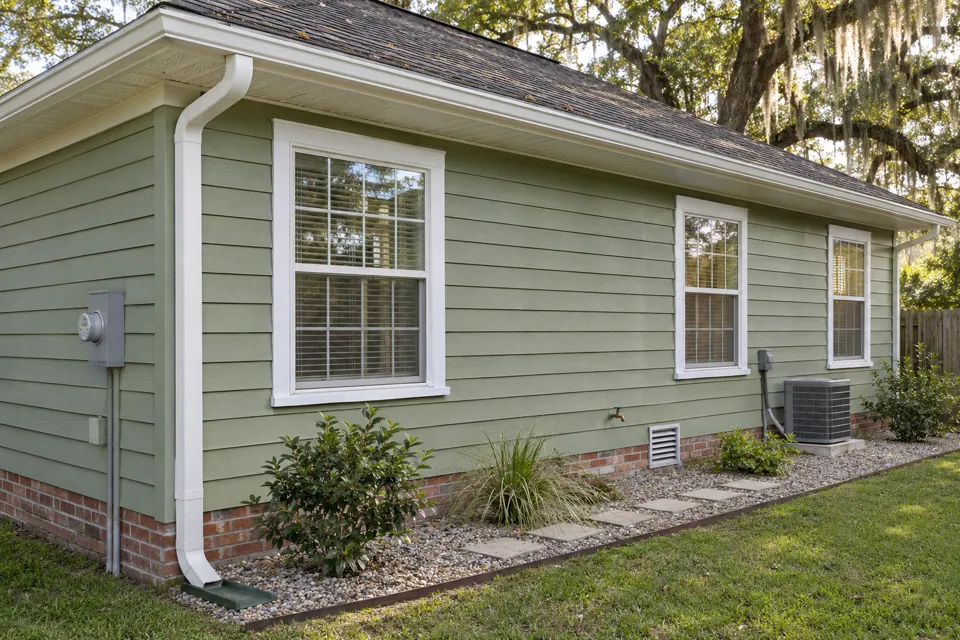
Exterior planning illustration; not a documented Accent installation.
YOUR PROJECT AT A GLANCE
Turn “less upkeep” into a specific materials discussion.
- Name the recurring task and the surface that causes it.
- Compare the exact product’s care guidance alongside the finish and profile.
- Include trim, retained materials and future access in the scope.
A good finish should fit your routine.
A lower-upkeep exterior starts with an honest discussion about what you want to spend less time managing. Repeated painting, awkward cleaning access, a mix of aging finishes or several disconnected repairs can all shape that goal. Accent Home Improvements helps Greater New Orleans homeowners discuss siding, trim, windows, gutters and outdoor improvements as connected choices. The right proposal describes the actual products and care expectations, rather than treating maintenance-free as a complete specification. Use this page to plan a coordinated renovation around ownership and appearance. The individual service pages explain material and installation topics in more detail. Bring the surfaces you want to keep, the tasks you find difficult and a few photographs of the home so the discussion starts with your routine.
1 · PROJECT DETAILS
Name the upkeep you want to reduce.
Make a brief record of the exterior tasks that prompt this project. Note whether the concern is frequent finish work, cleaning access, inconsistent repairs or difficulty caring for a particular area. Include the surfaces and elevations involved. A wish to reduce painting on one wall may lead to a different scope from a wish to simplify the whole roofline and window trim.
Distinguish an appearance preference from a condition that needs assessment. A new finish should not be assumed to resolve an unexplained water mark, damaged substrate or recurring gutter concern. Share what you have observed and any earlier repair information. Ask the team to explain the preparation and connected work in the proposal so the easier-care goal is considered alongside the condition of the home.
2 · PROJECT DETAILS
Compare the care record of the actual siding.

A detail from Accent’s existing photo collection.
Accent's siding options include vinyl and James Hardie fiber cement. Compare the exact offered products, finish and installation scope as well as their appearance. Ask for the current care instructions that apply to the selected material and finish. A statement about a broad material category cannot describe every cleaning method, finish condition or future service need for a particular product.
The Polymeric Exterior Products Association provides vinyl-siding cleaning guidance, and James Hardie publishes care information for its siding products. Those references are useful starting points, but keep the manufacturer's instructions for the actual selected product with your project records. Ask how the care expectations fit your property and routine. Avoid choosing a material on an unsupported promise that it will never need cleaning, inspection or attention at connected details.
3 · PROJECT DETAILS
Bring trim into the same selection conversation.
Window surrounds, corners, fascia, soffit and other edges are part of the exterior you will continue to look after. Discuss which of those surfaces will remain and which are included in the renovation. A new wall finish beside tired or mismatched trim can leave the project feeling incomplete even when the main siding selection is attractive.
Ask how the proposed materials and finishes meet the retained work. Review the visible profiles and proportions, particularly around a prominent entry or grouped windows. Compare the care expectations of the chosen components rather than assuming every white trim piece is the same product. Record the actual selections and locations so a future question can be connected to a specific installed part.
Picture the exterior details.
Explore references from Accent’s existing photo collection, then discuss which materials and details suit your property. These photographs do not document a verified project of the type described on this page.


Bring the details together.
Tell Accent what you want to change, where the home is and which connected improvements you are considering. A clear request makes the next conversation useful.
4 · PROJECT DETAILS
Keep access and surroundings in view.
Consider how you will reach the exterior for ordinary care without turning the renovation into a do-it-yourself maintenance plan. Explain narrow side yards, landscaping close to the wall, large windows and existing covers that affect access. Ask how the proposed arrangement relates to the areas that need cleaning or future service. A photograph of the whole setting can explain these issues better than a product sample alone.
Outdoor additions deserve the same discussion. A screened or glass enclosure changes which surfaces need attention and how you move around the space. Include door access and the area beside the house when considering the layout. Ask about the actual offered system and its care instructions. This conversation should define a practical ownership experience rather than promise that one material choice removes every future task.
5 · PROJECT DETAILS
Make the color and profile choices work together.
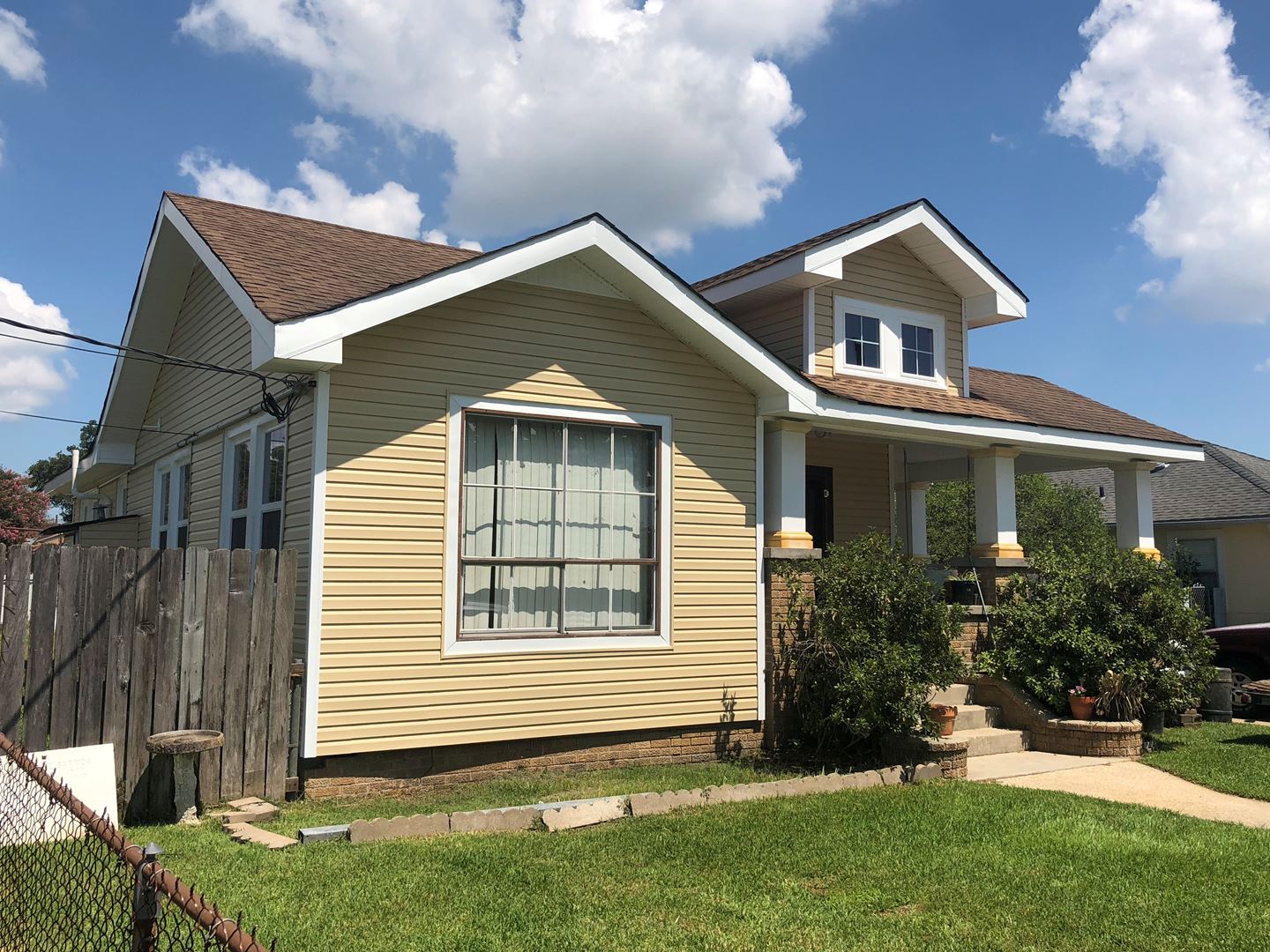
A detail from Accent’s existing photo collection.
A manageable exterior can still have character. Start with the brick, roof and other elements that will remain, then compare a limited set of siding and trim combinations. Decide which details you want to emphasize and where a quieter finish will make the house feel more coherent. Looking at a complete elevation helps avoid selecting each component in isolation.
Keep samples and product names together while decisions are open. Ask whether a proposed accent introduces a different finish or care expectation from the main field of siding. If windows or gutters will be updated later, include that intention before finalizing nearby trim and colors. The result should look deliberate now while giving the next phase a clear setting, without claiming that future materials can always be matched exactly.
6 · PROJECT DETAILS
Buy a defined renovation, not a slogan.
A useful proposal identifies the affected areas, selected products, preparation, removal, trim, cleanup and exclusions. Ask what remains in place and how unknown conditions will be handled if they become visible during removal. Keep an optional improvement separate from included work. These details let you compare the completed result alongside the ongoing care you expect to provide.
At handover, collect the care instructions and applicable written product and installation terms. Ask whom to contact before using an unfamiliar cleaning process or arranging later work beside the new finish. Start your enquiry with the city, surfaces involved and the upkeep you want to simplify. Accent can then discuss an assessment and a scope suited to the actual home, rather than a generic claim about the easiest exterior material.
GOOD QUESTIONS. CLEAR ANSWERS.
Before you decide.
Explore the details below, then ask about the conditions and choices specific to your home.
Explore the connected work.
Make the next step a clear one.
Share your property location and priorities. Call Eastbank 504-888-4733 or Westbank 504-341-8178, or send your project request. Office visits are by appointment.
YOUR PROJECT · YOUR NEXT STEP
Turn your project ideas into a clear next step.
Share your project and city or ZIP. Accent can discuss the existing space, your priorities and the details needed for an estimate.
- Share your project
A short request. Phone or email. No account needed.
- Review scope and estimate
Discuss the assessed work, materials, preparation and exclusions.
- Approve and plan the work
Confirm the agreed scope and installation arrangements with Accent.
Your request starts a conversation. You approve the work before installation.
