
ACCENT · NEW ORLEANS AREA
Make visits count.
Plan siding, windows, gutters and outdoor improvements with clear selections, access arrangements and an owner’s decision route, even when you are not always nearby.
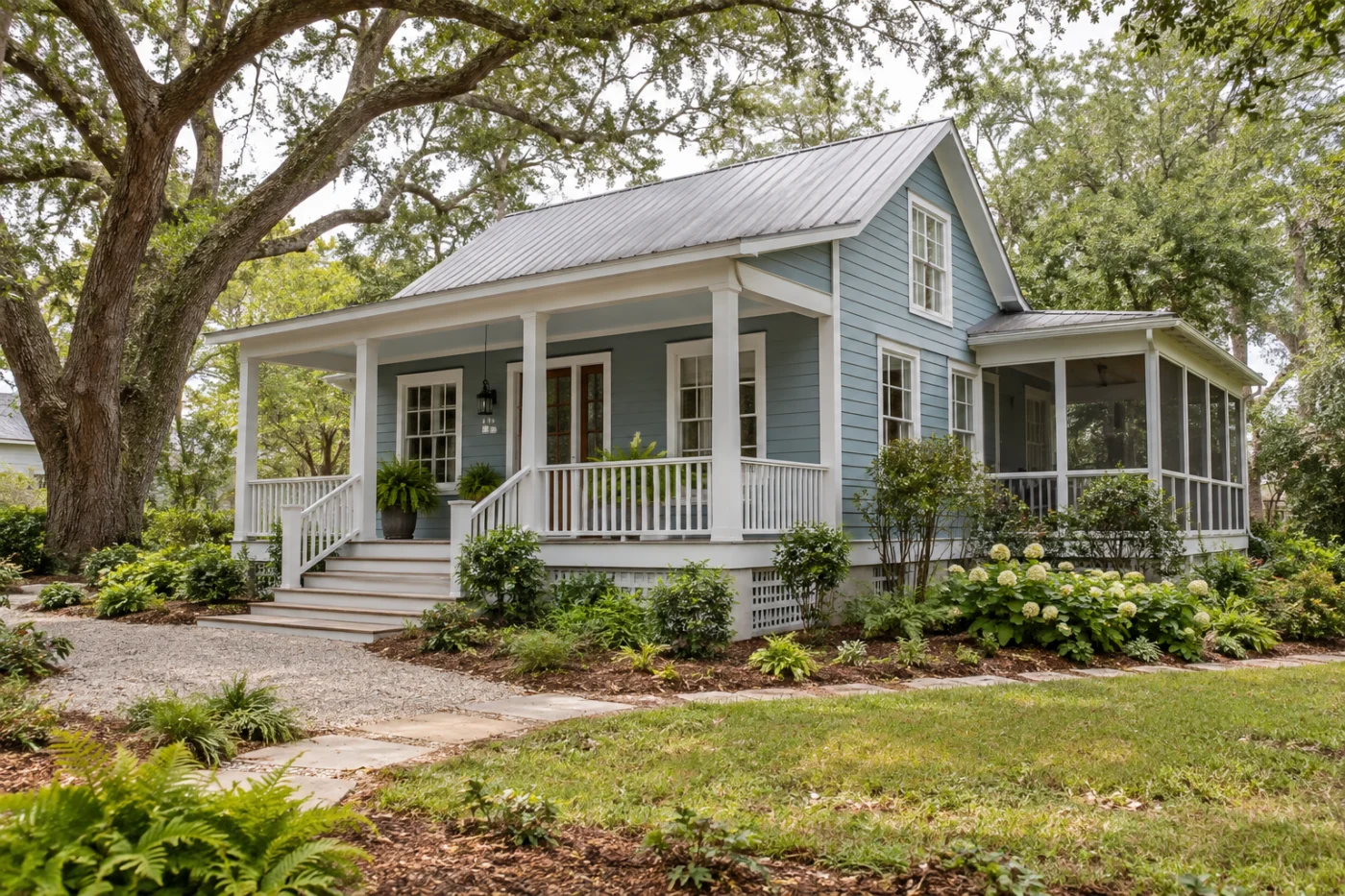
Blue cottage with white windows and a screened side porch
YOUR PROJECT AT A GLANCE
Prepare the decisions before you travel.
- Collect full-elevation photos and records of earlier changes.
- Name the owner’s approval contact and the authorized access contact.
- Discuss how selections, changes and the completion review will be documented.
A second home needs a practical project plan.
When you spend part of the year away from a property, an exterior project needs a clear information and decision process as well as a good material selection. Accent Home Improvements can discuss its established services for a property in its working area, subject to confirming the location and proposed scope. Tell the team whether you will be present, who can provide authorized access and how decisions should reach you. This page does not promise a property-management, security or ongoing maintenance service. It helps an owner prepare an installation enquiry without assuming that distance removes the need for assessment and approval.
1 · PROJECT DETAILS
Confirm the property and the owner’s authority.
Begin with the exact address rather than only the name of the nearest city. Accent’s service-area guide is a starting point, and the team should confirm project arrangements for the location. Identify whether you own the property or are acting with the owner’s authorization. A neighbor who can open a gate is not automatically the person who can approve changes.
Explain the best contact route and any practical limitations on your availability. If several owners share the home, establish a clear decision-maker before selections are discussed. A consistent route for approval helps prevent conflicting instructions about products, colors or optional work. The installation conversation should make clear who supplies information and who can authorize the agreement.
2 · PROJECT DETAILS
Collect useful information before a visit.
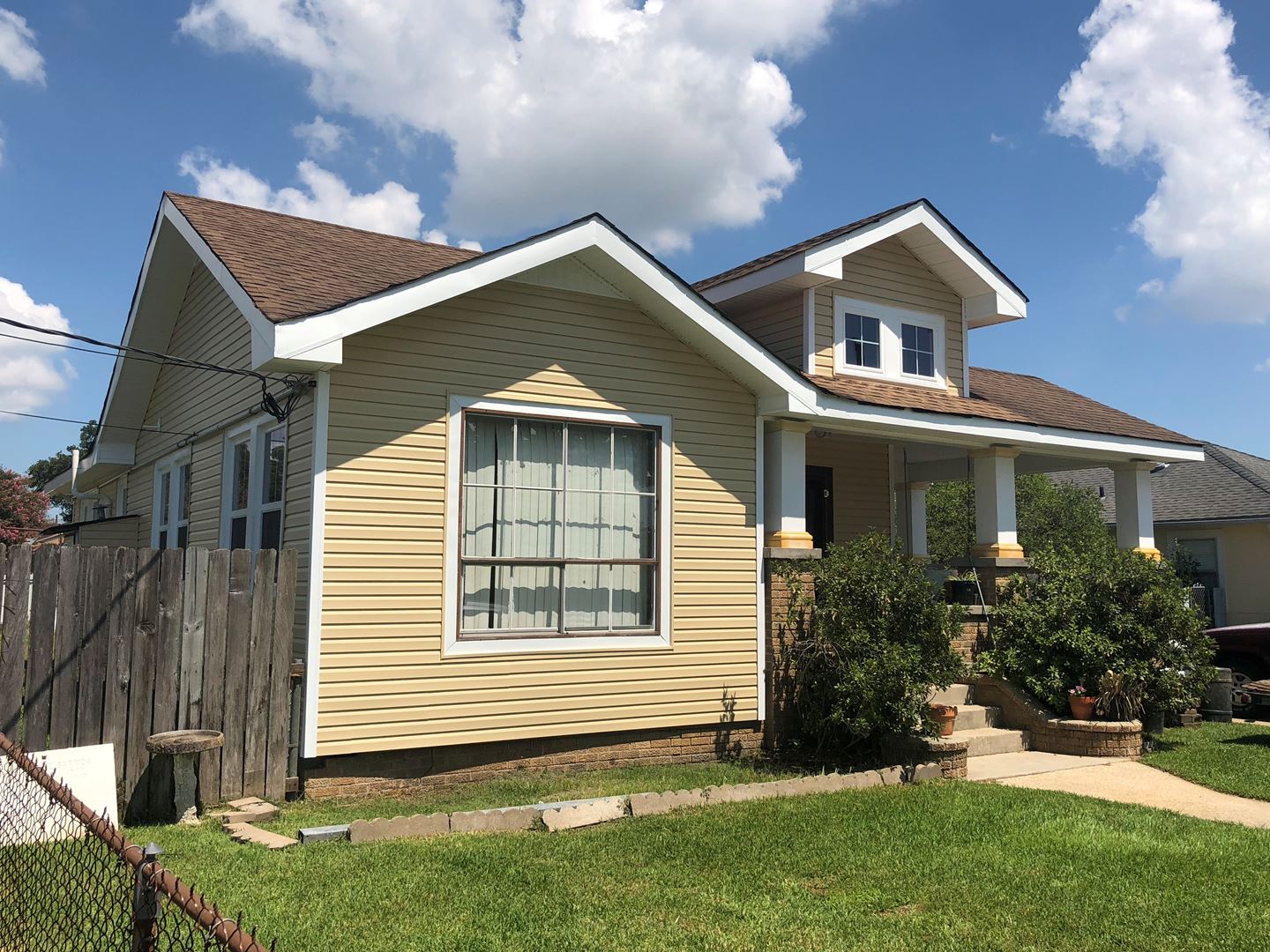
A detail from Accent’s existing photo collection.
Broad exterior photographs can make the first conversation more productive. Include the relevant wall, roof edge, openings and surrounding work area instead of sending only a close view of a worn surface. Provide available records of previous changes if they help explain the existing conditions. Do not ask someone to collect images from an unsafe position.
Remote information is useful context, but it does not establish every dimension or concealed condition. Ask which property assessment is needed before a final scope can be proposed. If you expect to be present on particular dates, share that as planning information rather than treating a travel booking as confirmation of an installation schedule.
3 · PROJECT DETAILS
Choose materials with realistic care expectations.
Describe which upkeep tasks are difficult when you are away and which existing finishes create recurring concerns. Ask about the proposed siding, trim or window products and their available care guidance. A lower-upkeep goal should be translated into specific selections rather than a general promise that the property will no longer need attention.
Retained components continue to have their own care needs. Discuss how new and existing surfaces meet and what the installation scope actually changes. Keep product identification so a later question can be answered accurately. Exterior installation should not be confused with an agreement to monitor the home between visits or provide automatic future maintenance.
Picture the exterior details.
Explore references from Accent’s existing photo collection, then discuss which materials and details suit your property. These photographs do not document a verified project of the type described on this page.


Bring the details together.
Tell Accent what you want to change, where the home is and which connected improvements you are considering. A clear request makes the next conversation useful.
4 · PROJECT DETAILS
Make access and site arrangements explicit.
Discuss gates, parking, material placement and the route to the work area before installation arrangements are finalized. If an authorized representative will provide access, establish the relevant contact and expectations. Avoid sending security codes or private access information through a broad public project description; arrange the appropriate direct exchange with the team.
Explain whether the home will be occupied, vacant or used by other people during the proposed work. Identify household or guest routes that matter and any overlapping contractor activity. The actual arrangement depends on the property and agreed scope. A second-home enquiry does not automatically create a promise to supervise visitors, manage bookings or safeguard unrelated belongings.
5 · PROJECT DETAILS
Keep selections and changes easy to review.
A detail from Accent’s existing photo collection.
Document the proposed products, finishes and included areas so decisions do not depend on memory across several phone conversations. Ask how alternatives and scope changes will be presented for approval. If an existing covering is removed and another condition is found, there should be a clear route for assessing and authorizing any additional work.
Check the public and private requirements that apply to the property before treating visible selections as final. The same approved information should guide both the installation discussion and any required submission. Distance from the house does not remove those requirements or turn an initial design conversation into confirmation that every approval has been obtained.
6 · PROJECT DETAILS
Prepare a useful handover for the next visit.
Ask what completion review and records will be appropriate to the actual project. Retain the agreed scope, product identification, available care instructions and applicable written warranty documents. If you cannot be present, discuss the review arrangement in advance rather than assuming a particular remote reporting or inspection service is included.
Keep installation questions distinct from future property management. A new covered sitting area, gutter system or wall finish may improve how you use the home, but it does not replace ongoing owner attention. Send Accent the location, scope priorities, available photographs and owner contact route to begin a second-home project conversation with clear responsibilities from the start.
GOOD QUESTIONS. CLEAR ANSWERS.
Before you decide.
Explore the details below, then ask about the conditions and choices specific to your home.
Explore the connected work.
Make the next step a clear one.
Share your property location and priorities. Call Eastbank 504-888-4733 or Westbank 504-341-8178, or send your project request. Office visits are by appointment.
YOUR PROJECT · YOUR NEXT STEP
Turn your project ideas into a clear next step.
Share your project and city or ZIP. Accent can discuss the existing space, your priorities and the details needed for an estimate.
- Share your project
A short request. Phone or email. No account needed.
- Review scope and estimate
Discuss the assessed work, materials, preparation and exclusions.
- Approve and plan the work
Confirm the agreed scope and installation arrangements with Accent.
Your request starts a conversation. You approve the work before installation.
