
ACCENT · NEW ORLEANS AREA
Prepare with purpose.
Turn a long pre-sale exterior list into a defined installation scope. Coordinate condition concerns, visible finishes and the timing you can realistically confirm.
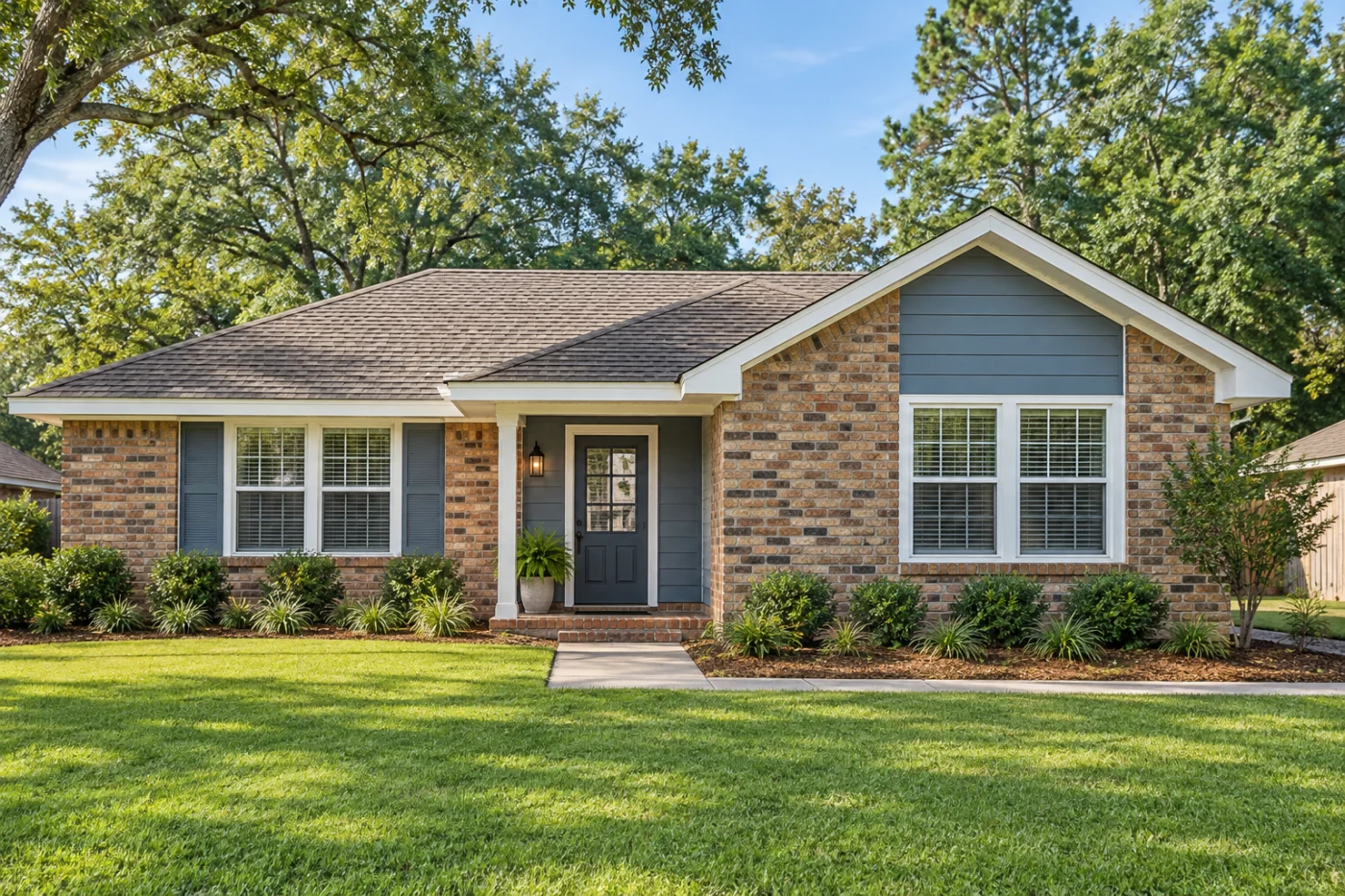
Tidy brick ranch with blue siding accents and white windows in a pre-sale
YOUR PROJECT AT A GLANCE
Keep the installation scope separate from your sale wish list.
- List observed exterior concerns before adding optional appearance upgrades.
- Discuss your priorities and proposed sale timing with the people advising you.
- Ask the installation proposal to identify included work and the records you will receive.
A sale plan needs more than a makeover idea.
Preparing a home for sale can bring every exterior concern into focus at once. A worn gable, a window issue and an unfinished patio detail may all appear on the same list, but they need different decisions. Accent Home Improvements can discuss installation work within its established exterior services while your real-estate representative helps you evaluate the property’s sale strategy. This page does not promise a higher sale price, a particular return or completion before an unconfirmed listing date. It helps you organize a useful enquiry and distinguish the work you approve from ideas that should remain separate.
1 · PROJECT DETAILS
Create a clear list of observed concerns.
Start with the items that have actually been identified at the property. Use broad photographs and, where relevant, the specific wording from an inspection or professional observation. Avoid translating a short note into a major replacement request before the condition has been assessed. The purpose of the first conversation is to understand the requested work, not to exaggerate every visible issue.
Separate condition questions from personal style preferences. An exterior finish you no longer like is different from an identified installation concern. Explain both honestly so the proposal can respond to your priorities. Images help explain the appearance you have in mind. Confirm the products, application and included work for your own property.
2 · PROJECT DETAILS
Distinguish necessary connected work from optional upgrades.

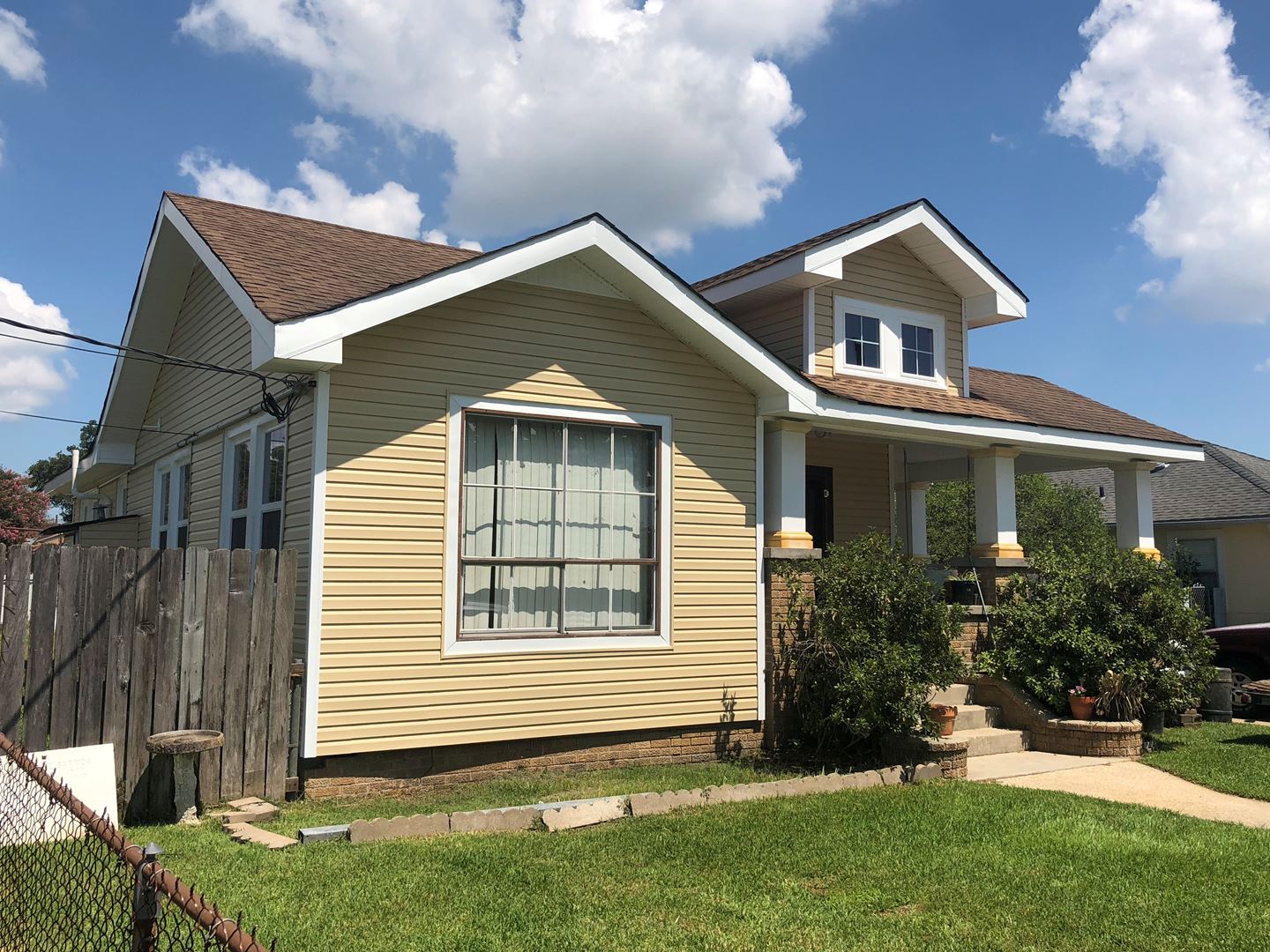
A detail from Accent’s existing photo collection.
A defined siding area, window opening or gutter section may require related preparation and finishing. Ask which items are necessary for the proposed installation and which are optional improvements. This keeps the scope understandable when you are comparing a focused project with a more extensive exterior refresh.
Review the retained surfaces around the new work. A small front-elevation change still needs a clear boundary at corners, trim and adjoining materials. If several projects are being considered, discuss their connections before approving unrelated arrangements. An estimate should identify the finished scope rather than relying on a broad phrase such as sale-ready exterior to cover unspecified work.
3 · PROJECT DETAILS
Keep material choices coherent with what stays.
Retained brick, roofing and windows should guide visible selections. Review the proposed siding profile, trim and gutter finish as a group rather than choosing each component separately. The aim is a coherent result appropriate to the actual home, not a guarantee that a particular color combination will appeal to every prospective buyer.
Ask about physical samples and the exact products being proposed. Keep the selections documented so the installed result corresponds to the agreement. If a product or color changes later, review the effect on the scope before proceeding. A neutral-looking image is useful context, but it does not replace the property-specific selection and approval process.
Picture the exterior details.
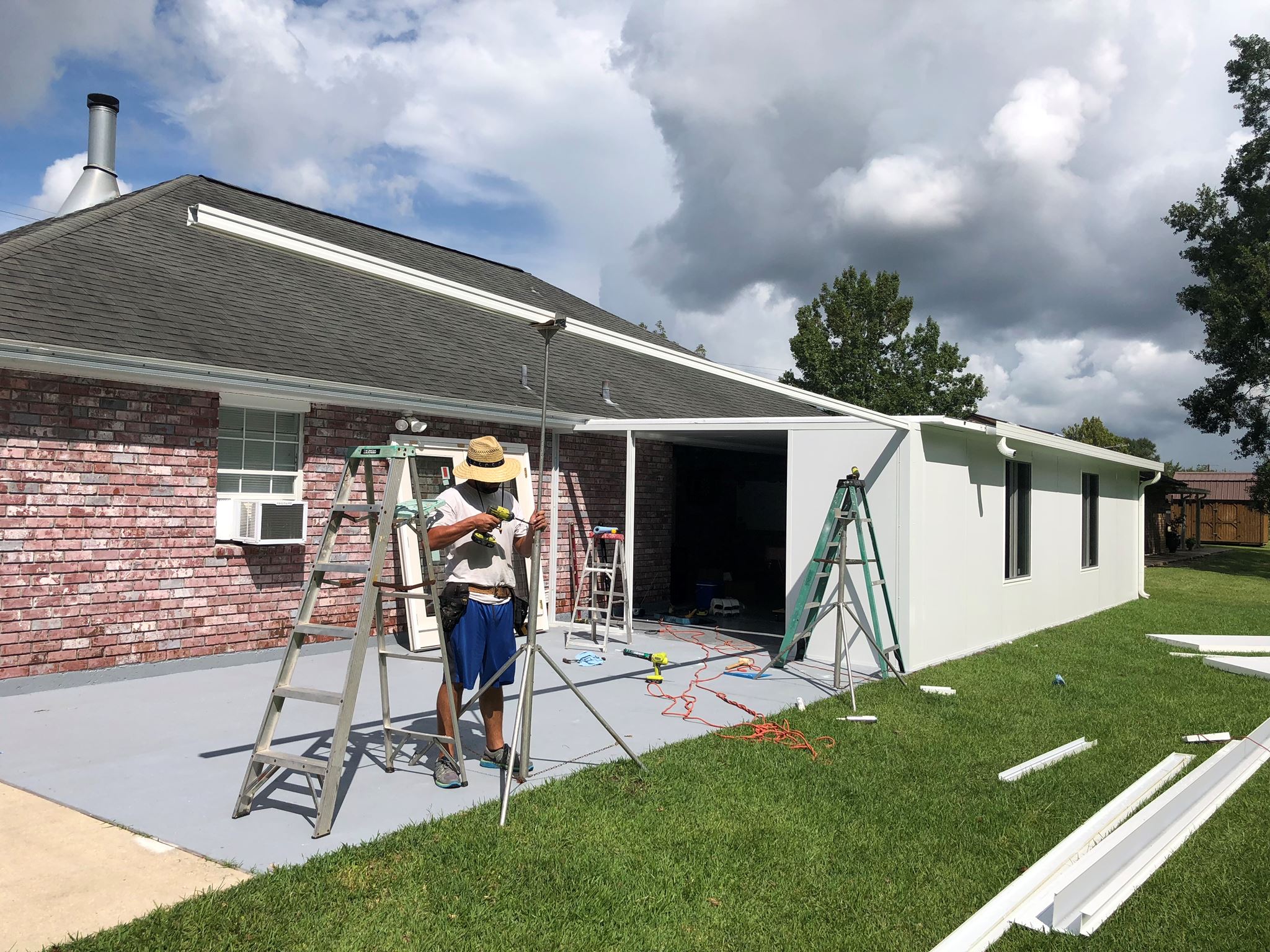
Explore references from Accent’s existing photo collection, then discuss which materials and details suit your property. These photographs do not document a verified project of the type described on this page.

Bring the details together.
Tell Accent what you want to change, where the home is and which connected improvements you are considering. A clear request makes the next conversation useful.
4 · PROJECT DETAILS
Treat the sale timeline as information, not a guarantee.
Tell Accent about the intended listing or inspection schedule at the first enquiry. Explain which dates are confirmed and which are preferences. The assessment, product decisions, approvals and actual installation arrangements still need review. A target date should not be treated as an accepted construction commitment merely because it was included in a message.
If other trades or preparations are underway, identify the coordinator and expected access needs. Discuss how changes will be communicated and which decisions must be settled before installation can be arranged. Avoid setting photography or transaction expectations around work that has not been assessed and agreed. A realistic sequence is more useful than an unsupported promise of a universal turnaround.
5 · PROJECT DETAILS
Keep installation records separate from sale advice.
A detail from Accent’s existing photo collection.
Retain the approved scope, product identification, available care information and applicable written warranty documents. These records describe the work and products; they do not establish a property valuation or replace your real-estate and legal advisers’ guidance. Ask those advisers how relevant project information should be handled in the sale process.
If an inspection item is part of the enquiry, provide the actual description and ask what the proposed installation addresses. Do not assume a general exterior project satisfies every question raised by another professional. The finished scope should be understandable on its own, with separate concerns and responsibilities clearly identified rather than hidden beneath a marketing label.
6 · PROJECT DETAILS
Approve a focused result you understand.
Compare proposals using the same areas, products, removal, preparation and finish responsibilities. Identify optional work and the process for discussing additional conditions if they become visible. A total price is difficult to evaluate when one proposal includes connected trim or disposal and another leaves those items unresolved.
Review the completed work against the agreement and keep the relevant documents together. Your initial request can remain concise: the address, desired improvements, broad photographs and the sale-related timing you want to discuss. Accent can then establish the next assessment step without asking you to buy an entire makeover or promising a financial result that an installation scope cannot establish.
GOOD QUESTIONS. CLEAR ANSWERS.
Before you decide.
Explore the details below, then ask about the conditions and choices specific to your home.
Explore the connected work.
Make the next step a clear one.
Share your property location and priorities. Call Eastbank 504-888-4733 or Westbank 504-341-8178, or send your project request. Office visits are by appointment.
YOUR PROJECT · YOUR NEXT STEP
Turn your project ideas into a clear next step.
Share your project and city or ZIP. Accent can discuss the existing space, your priorities and the details needed for an estimate.
- Share your project
A short request. Phone or email. No account needed.
- Review scope and estimate
Discuss the assessed work, materials, preparation and exclusions.
- Approve and plan the work
Confirm the agreed scope and installation arrangements with Accent.
Your request starts a conversation. You approve the work before installation.
