
ACCENT HOME IMPROVEMENTS
Builder selection briefs. Give every choice a clear location.
A builder’s exterior enquiry needs more than a color name. Keep the current elevations, offered components, location-specific selections and unresolved release questions together so Accent can discuss the particular siding, window or patio package being requested.
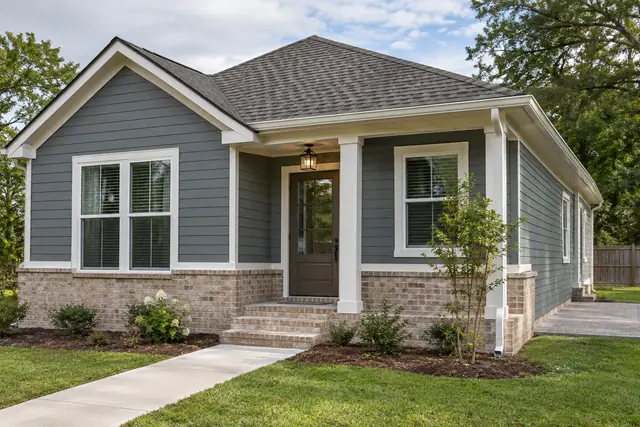
Identify the project and the selection issue.
Begin with the property location, the builder’s project reference and the exterior package under discussion. State whether the enquiry concerns an initial option, a revised selection set or information needed before a particular project decision. Ask Accent which services and arrangements are available for the property rather than assume a standing builder program. Keep the request tied to current project information and the work actually being considered. A useful selection brief does not imply that every exterior item shown on a whole-house drawing is part of one offer. It tells the reader which package and choice set require attention, allowing missing information to be identified before a preliminary preference is treated as a released selection.
Give each selection a location on the current elevation.
Use the same elevation, wall and opening references as the project documents. Identify where a siding profile, trim finish, window choice or outdoor component is intended to apply. A general color note can be ambiguous when the front gable, side wall and rear area have different retained materials or separate scopes. Keep repeated components grouped only when the offered selection and its intended locations are genuinely the same. Mark exceptions explicitly. The purpose is a location schedule that can be read alongside the actual package, not a competing construction drawing. Measured conditions and installation information still need the appropriate assessment and responsible source for the particular work.
Use exact offered identification without filling gaps.
Keep the product, profile, finish and other identifying information actually supplied for the option. If a field remains open, record the question rather than invent a model or assume that similarly named finishes are interchangeable. A sample, catalog page and written offer can provide different kinds of information, so say which document identifies the proposed choice. Use the sample-comparison guide when discussing visual material references. The builder’s selection schedule should connect those references to the current location and offered item. If several alternatives remain in consideration, separate them clearly instead of allowing parts of different options to appear together as a single product description ready for the next project step.
Keep the selection status visible.
Distinguish a design preference, an option being priced and a selection actually confirmed for the offered scope. Add the current issue reference and the contact responsible for resolving an open item. Ask which decisions the actual next step requires instead of assuming a universal release deadline. A drawing note or email may be useful evidence of a discussion without establishing every related ordering or installation arrangement. Keep the relevant response beside the selection it concerns. The schedule should help the project contact understand which choices are settled and which need clarification, so an early appearance preference is not copied forward as a confirmed component merely because no later message is easy to find.
Identify interfaces with retained or separately supplied items.
Show the neighboring finishes and components that affect the requested selection discussion. Retained brick, an existing roof edge, a supplied opening or another provider’s work may create a question about the offered exterior package. State what information is known and which contact can clarify the remaining detail. Do not assume that including an item on the selection schedule establishes who supplies, fits or finishes it. Ask how the actual offer identifies those boundaries. Where the enquiry needs a fuller package description, use the remodeler scope resource. This builder brief keeps the location-specific choices readable while leaving construction methods, suitability and responsibilities with the assessed work and the current project documents.
Request alternatives as separate controlled options.
If an offered item is unavailable or a different choice is being considered, identify the affected locations and the specific alternative question. Keep the current base selection identifiable until the project’s actual decision process resolves the change. Ask what information is needed to compare the offered alternatives, including any relevant appearance, scope or timing difference. Do not replace a product name in one document while leaving the original choice presented as current elsewhere. A clear option record allows the builder, design contact and contractor to discuss the same proposed change without assuming that a visually similar component has identical characteristics or that a supplier reference by itself authorizes a substitution.
Patios →
Keep the selection issue connected to the scope version.
State which offer, schedule or current package the selection set accompanies. If the scope changes, identify the selections and locations affected rather than circulate a complete file set without explaining the difference. Retain prior issues as history and make the current one easy to recognize. The project-change record can support that process when an actual revision is being discussed. A selection schedule should not silently expand an offer to include additional walls, openings or related work. Review the location list and the offered boundaries together so a revised finish, extra component or new exterior area receives the appropriate assessment and documented response before it is treated as part of the current package.
Send a readable selection brief for the next discussion.
Contact Accent with the property, project reference, requested exterior services and the current location-specific selection set. Include the actual supporting product information, the issue reference and the open questions requiring a response. State whether the request is for assessment, an option comparison or clarification of an offered scope. Keep proposed timing distinguishable from any confirmed arrangement. The designer brief can accompany the appearance rationale, while the scope-enquiry guide describes the wider package information. Retain the returned response with the same documents so the next decision can refer to the particular work being discussed. A concise, current builder brief makes selections easier to follow without promising a standardized procurement, release or construction-management service.
GOOD QUESTIONS. CLEAR ANSWERS.
Your builder selection briefs questions.
Use these answers alongside the assessed conditions and choices for your own property.
YOUR PROJECT · YOUR NEXT STEP
Turn your project ideas into a clear next step.
Share your project and city or ZIP. Accent can discuss the existing space, your priorities and the details needed for an estimate.
- Share your project
A short request. Phone or email. No account needed.
- Review scope and estimate
Discuss the assessed work, materials, preparation and exclusions.
- Approve and plan the work
Confirm the agreed scope and installation arrangements with Accent.
Your request starts a conversation. You approve the work before installation.
