
ACCENT HOME IMPROVEMENTS
Remodeler scope enquiries. Bring a defined exterior package.
Give Accent a clear starting package for the exterior portion of a remodeling project. Identify the current job, requested services, controlling information and specific interfaces so the enquiry can be reviewed against the work actually being requested.
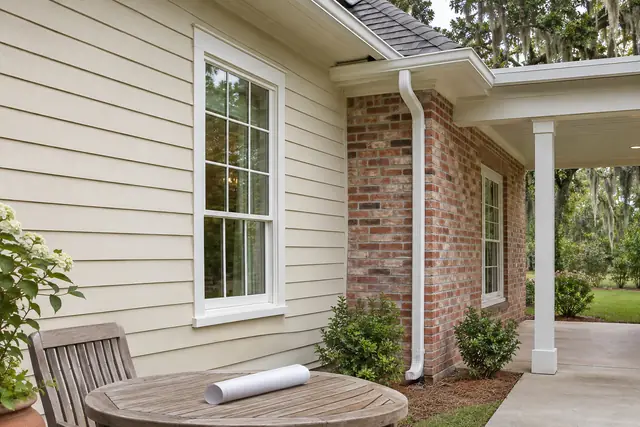
State the exterior package being requested.
Begin with the project location, your role and the particular exterior services you want Accent to discuss. Identify whether the enquiry concerns selected siding areas, a patio arrangement or another offered service, and explain what information you are requesting in return. A request to coordinate the exterior can cover very different expectations, so make the intended package understandable before sending a large document set. Ask Accent which services and project arrangements it can actually offer. The enquiry should not assume a standing trade partnership, general-contracting role or responsibility for work supplied through separate agreements. A bounded starting request gives the assessment a useful basis and lets both parties identify information gaps before treating the package as defined.
Explain the current state of the remodeling job.
Describe the property as it exists now and distinguish current conditions from planned changes. Identify relevant existing work, work already arranged and changes that remain only proposed. Use dated photographs for the areas involved, including the surrounding wall, opening or outdoor context needed to understand the request. If a document depicts a future configuration, label it accordingly rather than present it as the current condition. State the decision stage of the enquiry without translating a target date into a confirmed arrangement. The useful project overview tells the reader what is real, what is planned and what still requires clarification, allowing the requested exterior package to be discussed without reconstructing the whole remodeling history from an unexplained folder.
Identify the information that controls the request.
List the drawings, schedules, specifications or written scope notes relevant to the exterior enquiry. Include their actual issue or revision references and identify which set is current for the discussion. Avoid sending several competing versions without a short explanation of their status. If a document is supplied only as background, mark that role clearly. A missing selection or unresolved detail should remain an information request rather than be filled with an assumed product. Ask what further information Accent needs to assess the offered work. This document list supports the specific enquiry; it does not make a preliminary sketch an approved construction document or establish that every item shown in a large plan set belongs in the requested exterior package.
Mark the locations where the package meets other work.
Show the particular interfaces relevant to the requested scope, such as the affected opening within a wall, a retained trim edge or the house beside a proposed outdoor cover. Use consistent location references in the photographs and document notes. State what information is known about the adjacent work and which question needs a response from the responsible project contact. Do not supply a generic instruction that every related task belongs to the exterior contractor. This intake page focuses on making the package reviewable; the wider responsibility and sequencing discussion belongs with the actual agreements and project team. A clear interface reference helps Accent explain the assessment needed without assigning technical methods or adjacent services through an unlabeled drawing mark.
Separate selected products from requested alternatives.
Identify products or finishes already selected for the enquiry using the current supplied information. If you want alternatives considered, state the particular choice to be compared and keep it distinct from the base request. Include the affected locations and any retained finishes that explain the intended relationship. Avoid treating a general catalog or an inspiration photograph as a complete product schedule. Where another party is expected to supply an item, identify the question and ask which assessment or information is needed for the actual arrangement. This helps the exterior discussion remain tied to available offered choices and current project information, while allowing selection, supply and suitability questions to be resolved through the responsible contacts.
Make the requested boundaries and exclusions readable.
List the areas and components you intend the exterior enquiry to cover, along with retained work and tasks described under a separate arrangement. Identify uncertain boundaries as questions. A broad service heading is less useful than a location-specific description of what is being requested. If an adjoining finish or preparation task may affect the package, show the location and ask how the offered scope would describe it. Use the exclusions resource when reviewing the returned offer, keeping its actual wording with the project file. The purpose is a bounded request and understandable response, rather than a universal division of responsibility for the entire remodel or an assumption that the last contractor present will finish every remaining item.
Patios →
Ask for a response that can be reviewed against the package.
Identify the current information you expect the response to address, the questions requiring clarification and the person who can provide missing project details. Keep proposed timing as a request until an actual arrangement is confirmed. If a revised document is issued during the enquiry, say which part changes and ask how the scope discussion should be updated. Do not quietly replace the document basis while leaving an older offer presented as current. The builder-selection brief can support a later release of confirmed location-specific choices. At this enquiry stage, the priority is a reviewable exterior package whose assumptions, open items and requested next step can be understood by the people discussing the actual offered work.
Send a concise scope cover note with the documents.
Combine the project location, professional contact, requested exterior services, current document references and affected interfaces in a short cover note. Attach the relevant materials rather than an unexplained archive of every project file. List the specific unknowns and ask Accent which assessment, services and information are available for that property. Keep the response connected to the same package and review differences before treating an offered option as a settled project commitment. The siding and patio briefs provide additional service-level enquiry details when useful. A clear intake package makes the professional conversation easier to follow while preserving the distinction between an exterior scope enquiry, a defined offer and the wider arrangements governing the remodeling project.
GOOD QUESTIONS. CLEAR ANSWERS.
Your remodeler scope enquiries questions.
Use these answers alongside the assessed conditions and choices for your own property.
YOUR PROJECT · YOUR NEXT STEP
Turn your project ideas into a clear next step.
Share your project and city or ZIP. Accent can discuss the existing space, your priorities and the details needed for an estimate.
- Share your project
A short request. Phone or email. No account needed.
- Review scope and estimate
Discuss the assessed work, materials, preparation and exclusions.
- Approve and plan the work
Confirm the agreed scope and installation arrangements with Accent.
Your request starts a conversation. You approve the work before installation.
