
ACCENT HOME IMPROVEMENTS
Property manager briefs. One property. One clear project file.
Keep each address, requested exterior scope and owner decision in its own record. A consistent property file helps a manager request assessments and compare offered siding, window or patio work without mixing locations, assumptions or versions.
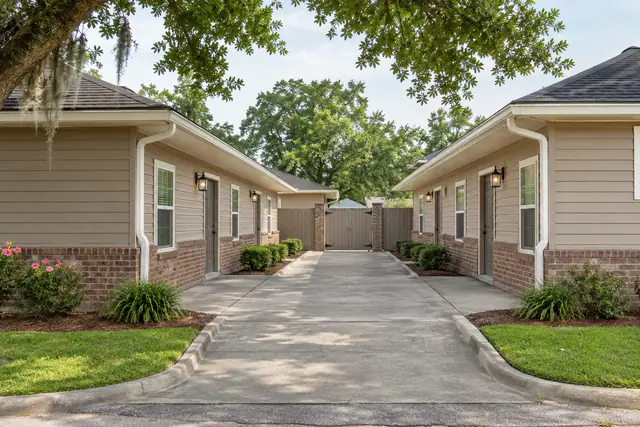
Open a separate record for each address.
Use the full property location and a short internal reference at the beginning of each enquiry. Keep that same reference on photographs, questions and any offered scope. Several homes may share a similar finish or layout, but their requested work and existing conditions should not be combined into one unlabeled folder. If more than one building sits at an address, identify the building and affected area as well. The purpose is a clear property file that can be followed by a manager, owner and contractor without relying on the manager’s memory of which photograph belongs where. Begin with the specific property you want assessed and ask Accent about the services available for that actual location and scope.
Describe the requested work consistently across properties.
Use a repeatable set of starting fields: affected area, observed condition, desired result, retained components and the service being considered. Consistency helps the manager see where information is missing without assuming the properties need identical work. One address may need an opening assessed while another concerns upper siding or an outdoor cover. Identify the actual enquiry rather than use a single exterior-maintenance label for everything. Keep reported concerns separate from an assessed cause or offered repair. This gives the estimator a useful starting package and gives the owner a clearer explanation of what is being requested before options, prices or timing are compared across the portfolio.
Keep property observations attached to their source.
Label photographs with the location and date, and distinguish a manager’s site observation from information supplied by someone else. Preserve useful original views and put any arrows or notes on a separate copy. A repeated concern can be recorded without assuming that an earlier project at another address established the same condition here. Include available product or repair records when they are relevant, with uncertain information clearly marked. Avoid unrelated occupant details in the assessment folder. The file should support a factual conversation about the particular exterior area, allowing the assessment to resolve open questions instead of inheriting a diagnosis copied from a different property or an unverified message.
Identify the owner decision attached to the enquiry.
State who is requesting the assessment and which person is expected to review the offered work. Keep the manager’s actual project role clear rather than assume every management arrangement carries the same authority. If an owner wants alternatives, describe the specific comparison requested and identify any unresolved direction. Practical visit arrangements can be handled through the responsible contacts without turning them into approval of scope or selections. This page concerns the property file used for the assessment and offer. Detailed occupied-home arrangements need their own property-specific discussion so the owner, manager and relevant contacts can confirm the actual process instead of relying on a generic instruction copied across addresses.
Request defined options rather than a generic portfolio price.
If several properties or repeated components are under consideration, ask Accent which assessment and service arrangements it can actually offer. Describe the locations and the particular work at each rather than assume a standard program, rate or schedule is available. Where alternatives are requested for one property, identify the affected areas and the difference you want compared. Keep each offered option attached to its current document and date. A useful comparison explains why one proposal includes different preparation, finishing or coverage. It does not treat every occurrence of the same service name as an equivalent scope or infer that work assessed at one building can be ordered unchanged at another.
Track the status of the property enquiry.
A short status can distinguish information gathering, assessment requested, offer under review and an open owner decision. Add the next action and the person expected to handle it. Keep the status linked to the actual document or confirmed response; sending a message does not by itself establish that a selection, appointment or additional task has been accepted. When the owner’s direction changes, identify which property and current option it affects. The communication-planning guide can support the question log, while this property file keeps the address and scope context intact. A concise current status is more useful than a large folder of messages in which several old proposals look equally current.
Patios →
Keep related-provider information specific to the property.
If another company is working at the same address, identify the relevant scope and the particular exterior location where the work may meet. Provide the current information needed for the assessment and ask what additional details Accent requires. Do not assume that the manager’s overview appoints one contractor to manage every provider or that a trade mentioned in a report is included in the exterior offer. The remodeling-scope enquiry guide helps organize a defined package when a professional project contact is involved. Keep any confirmed arrangement with the correct property record so a handoff discussed at one address is not mistakenly treated as the arrangement for all managed properties.
Review and retain the offered scope by address.
Before an owner decision is requested, check that the offer identifies the property, affected areas, selected option and unresolved questions. Use the proposal-comparison guide for differences in included work and exclusions. Retain the actual final scope and any approved revisions in the same address file, with current selections and service contacts identifiable by the work concerned. This makes a later enquiry easier to explain without assuming a general portfolio relationship establishes continuing coverage or availability. Contact Accent with the first property location, the services you want assessed and your project role. A clear address-level brief gives the next conversation a practical starting point while keeping the owner’s actual decisions and each property’s conditions distinct.
GOOD QUESTIONS. CLEAR ANSWERS.
Your property manager briefs questions.
Use these answers alongside the assessed conditions and choices for your own property.
YOUR PROJECT · YOUR NEXT STEP
Turn your project ideas into a clear next step.
Share your project and city or ZIP. Accent can discuss the existing space, your priorities and the details needed for an estimate.
- Share your project
A short request. Phone or email. No account needed.
- Review scope and estimate
Discuss the assessed work, materials, preparation and exclusions.
- Approve and plan the work
Confirm the agreed scope and installation arrangements with Accent.
Your request starts a conversation. You approve the work before installation.
