
ACCENT HOME IMPROVEMENTS
Compare the offers. Put the same project beside each proposal.
A total price is easier to understand when the work behind it is clear. Compare the area, products, retained features and scope boundaries of each exterior offer using the same property record.
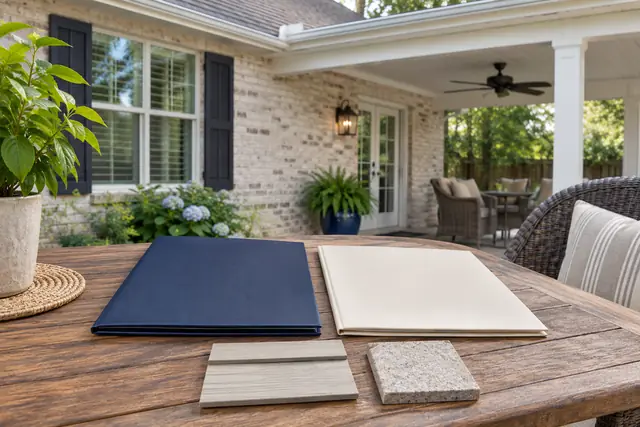
Give every offer the same starting reference.
Place the property goal, labeled area sketch and current-condition photographs beside the proposals. Identify the version of the request each offer addresses. One enquiry may have expanded from a single wall into several areas, or a patio option may include a larger footprint than the first discussion. A shared reference makes those differences visible. Begin by naming the result you want and the items you expect to retain. Keep later wish-list items distinct from the work currently being compared. This gives the household a practical way to examine each offer against the same project, instead of relying on a total price whose underlying boundaries may differ.
Match the described work to the property areas.
Read each scope using the wall, opening and patio labels from the assessment record. Note which areas appear in the description, which are retained and which remain unclear. For a siding proposal, compare the wall areas and associated trim or opening questions. For a patio proposal, compare the described coverage, existing surface and connected features. Avoid assigning a quantity or an inclusion that is absent from the offer; write a question beside the relevant label. When two offers use different descriptions, ask how those descriptions relate to the actual property. A plain area-by-area comparison helps reveal whether the offers describe the same requested result before their prices are treated as directly comparable.
Identify products and selections consistently.
Keep the exact product, profile and finish information supplied with each option. Distinguish a general material category from a particular offered product or component. If a selection is still open, identify how that uncertainty appears in the offer and what clarification is needed. Place the sample record beside the corresponding product description so an appearance preference is not lost during the comparison. Ask which associated items are included in that selection, such as relevant trim or other visible components. This is a comparison of the offered information, not a judgment based solely on a brand name or a reference image. The useful question is what the particular option actually describes for this project.
Bring retained items and interfaces into the table.
List the existing brick, windows, doors, roof edges, gutters, floors or covers that matter to the requested work. Compare how each offer describes the relationship between new work and those retained items. A retained window within a siding wall or a cover beside an existing roof edge can raise a specific scope question. Keep any requested repair, relocation or other connected work visible as included, excluded or unresolved according to the actual description. Do not assume that the same surrounding work appears in every offer. Asking for clarification at the identified interface gives the household a more useful comparison than using a broad heading such as “complete exterior work” without knowing its practical boundary.
Separate the base offer from optional alternatives.
Create a clear place for the work being offered as the base option and another for the alternatives you are considering. Record whether a different finish, additional area or related component changes the scope and price. Keep a combined option distinct from a staged option when the completion boundaries differ. A household should be able to read each option on its own and identify the selected arrangement without mentally combining pieces from several pages. If an alternative is unclear, ask for a written explanation tied to the particular proposal version. This helps preserve the difference between an idea discussed, an option offered and the work the household is actually considering accepting.
Read price and timing with the scope attached.
Keep each stated price beside the exact offered work and selections it describes. When a difference is substantial, identify which areas, products, preparation or connected items differ before drawing a conclusion from the total alone. Record the scheduling information actually supplied and distinguish it from the household’s requested dates. Ask about unresolved timing or selection dependencies. This page does not provide a standard project price, payment policy or guaranteed schedule. Its purpose is to help the household compare the particular information supplied in each offer. The budget-factors guide can organize the scope choices affecting that conversation, while this comparison keeps the current offers and their boundaries together.
Patios →
Turn differences into specific clarification questions.
Use one short question for each unresolved difference and name the relevant area or component. “Does the rear-wall description include the retained window trim discussed at W2?” is easier to answer than a general request to confirm everything. Keep the answer with the proposal version it clarifies. If a conversation changes the offered work, use the project change record to preserve the revised description and any stated effect on selections, price or timing. Save earlier versions for history while making the current one easy to identify. A clear comparison record helps the household reach a decision using the actual clarified offers, without treating an unanswered assumption as an agreed inclusion.
Choose using the complete clarified arrangement.
Return to the original goal after the main questions are resolved. Compare how each offered arrangement addresses the property area, desired use, retained items and preferences that matter to the household. Keep the selected scope, products, exclusions and supplied scheduling information together as the current reference. If the first Accent conversation is still ahead, prepare the property details and project brief before asking for an assessment. If an offer is already available, identify the specific item you want clarified through the project contact being used. A useful proposal comparison produces a clearer decision and a readable project record, linking the household’s starting goal with the particular work it is choosing.
GOOD QUESTIONS. CLEAR ANSWERS.
Your compare the offers questions.
Use these answers alongside the assessed conditions and choices for your own property.
YOUR PROJECT · YOUR NEXT STEP
Turn your project ideas into a clear next step.
Share your project and city or ZIP. Accent can discuss the existing space, your priorities and the details needed for an estimate.
- Share your project
A short request. Phone or email. No account needed.
- Review scope and estimate
Discuss the assessed work, materials, preparation and exclusions.
- Approve and plan the work
Confirm the agreed scope and installation arrangements with Accent.
Your request starts a conversation. You approve the work before installation.
