
ACCENT HOME IMPROVEMENTS
The roof you have. A clear request. Put the proposed roofing areas into one brief.
A roofing brief explains which areas and concerns you want discussed before an actual offer is developed. It connects the roof shape, available work history and requested alternatives without guessing what is hidden. Use this guide to prepare a focused roofing enquiry for Accent Home Improvements in Greater New Orleans. Ground-level references and existing documents can provide a starting point while the appropriate assessment establishes the details needed for the actual project.
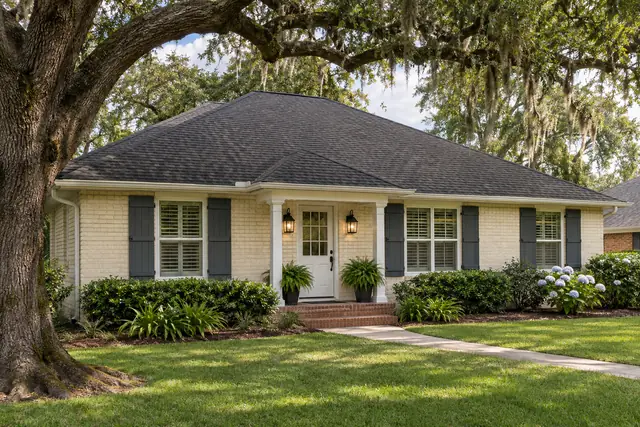
Name the roofing request before choosing a material
Start with the property location and the roof area you want to discuss. Explain whether your enquiry concerns a particular area, questions about repair and replacement alternatives or a wider project that still needs definition. A preferred appearance can be included, but it should not hide the concern that prompted the request. Accent’s roofing service page provides context for its offered services; this brief organizes the actual property information. Keep unrelated exterior ideas in a separate list. The first useful document is a clear request for the next assessment or discussion, rather than an assumed replacement instruction based on a material photograph.
Identify roof areas from ordinary ground-level references
Use recognizable parts of the building to identify the area, such as the main house, an attached rear section or a roof beside an existing patio cover. Keep labels stable across photographs and correspondence. Use ordinary safe views already available and leave inaccessible details as questions. This guide does not require roof access, climbing or a hazardous inspection to complete the brief. A ground photograph can explain the roof shape and its relationship to the house, but it does not establish the condition of concealed components or the dimensions needed for an actual offer. Ask how the appropriate project information and assessment will be established.
Keep earlier work records connected to the right area
Collect available descriptions of previous work, product identification and dated correspondence relevant to the affected section. Identify the source of each record and any limits in the information. A repair note for an attached roof should not automatically become the history of the main house. If a date or product is only remembered, say so. Keep the actual documents rather than rewriting their conclusions in a personal summary. This history may help explain the enquiry, but it does not determine the current scope or prove that the same work is now required. Missing records should remain visible questions instead of being replaced with an invented complete timeline.
Describe concerns without declaring the cause
Record the location and date of an ordinary observation, and explain whether it is a visible exterior concern, an interior observation or a question prompted by earlier work. Keep those categories distinct. If a professional assessment exists, retain the actual source document and its stated limitations. The observation date alone does not establish cause, hidden extent or the correct repair. Ask which questions fit the roofing service and which may require another provider or professional input. The roof-assessment question guide can support that conversation, while this brief remains focused on the area and work you want considered in an actual offer.
Use an area entry for each requested part
The brief fields below can be repeated for each roof section involved in the enquiry. Begin with the area reference, requested discussion and relevant history, then add retained components and open questions. Keep an optional attached area separate from the main requested work. Mark unknown measurements and material details honestly. If two alternatives are being considered, record what you want compared without assuming that their boundaries are identical. The provider’s actual offer should describe the proposed locations and work. A consistent entry makes it easier to see whether a later document addresses your original request or introduces an area that still needs clarification.
Your working record fields
- Property and area reference
- Address and identifiable roof section.
- Requested discussion
- Work or alternatives you want assessed.
- Observation record
- Location, actual date and plain visible description.
- Earlier work source
- Document date, provider and affected area where known.
- Retained component
- Feature you hope to keep, subject to assessment.
- Interface question
- Gutter, wall or patio connection needing clarification.
- Current version
- Brief date and source documents used for this request.
Connect product choices to the proposed system
Accent’s current roofing service information includes asphalt shingle, metal and flat-roof system discussions. Ask which actual option is being proposed for the assessed area, including relevant product identification and scope details. A material name or a finished-house image does not establish every component of the offered work. Keep questions about removal, retained features and related details connected to the actual proposal rather than assuming they follow from the appearance alone. Product and workmanship documents may have different sources and terms. Request the applicable information for the selected work without treating this planning guide as a performance rating, warranty promise or product specification.
Make adjoining exterior work an explicit interface question
A roof area may meet a gutter, siding wall, opening or existing patio attachment. Show the relationship in a wider reference view and name the question you want discussed. Ask which provider is assessing the relevant condition and which work is actually included or excluded. Do not assume that an adjoining feature is part of the roofing offer or that one contractor is responsible for every exterior interface. If separate offers are involved, keep them distinct and identify the unresolved connection. The resulting record helps the appropriate parties discuss the actual work without inventing a trade arrangement or a universal order for the project.
Keep the current request beside the actual offer
Send Accent the property location, roof-area references, available earlier records and the main questions about the requested work. Ask what further information or assessment is needed. When an offer is supplied, compare its described areas and alternatives with the brief, retaining the full document and its qualifications. Keep household availability and preferred timing separate from confirmed arrangements. If the request changes, identify the affected area and current version before asking how the revision will be handled. A clear starting brief remains useful throughout the conversation, while the actual assessed scope, selections and supplied records explain the project being considered.
GOOD QUESTIONS. CLEAR ANSWERS.
Your roofing project brief questions.
Use these answers alongside the assessed conditions and choices for your own property.
YOUR PROJECT · YOUR NEXT STEP
Get a clearer scope for your roofing project.
Share your project and city or ZIP. Accent can discuss the existing space, your priorities and the details needed for an estimate.
- Share your project
A short request. Phone or email. No account needed.
- Review scope and estimate
Discuss the assessed work, materials, preparation and exclusions.
- Approve and plan the work
Confirm the agreed scope and installation arrangements with Accent.
Your request starts a conversation. You approve the work before installation.
