
ACCENT HOME IMPROVEMENTS
Understand the findings. Turn the roof assessment into clear next questions.
Make sense of the findings before deciding on roof work. Connect each supplied observation to its location, the stated review limits and the response being offered. Use this guide for the follow-up conversation with Accent after assessment information has been shared.
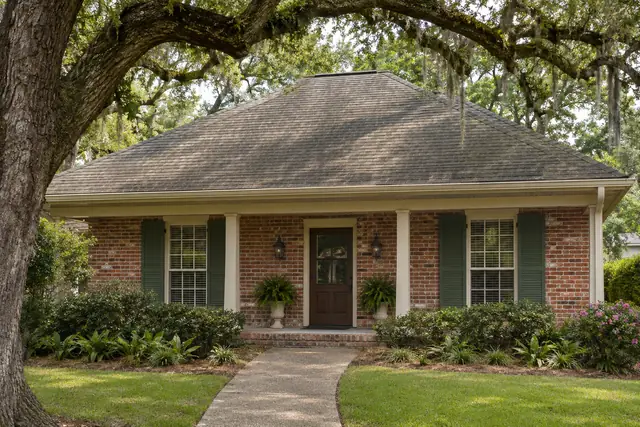
Identify the findings you are discussing
Start with what was actually supplied. It might be a dated report, a set of identified photographs or notes from a conversation. Record the provider and date, and ask which version should guide the follow-up. Do not imply that a formal report exists when the information was shared another way. If several visits or providers are involved, keep their findings separately attributed. A later explanation may answer an earlier question without making the earlier observation disappear. This first step gives the conversation a specific reference, so the homeowner and provider can discuss the same finding instead of working from different memories of what was said about the roof.
Separate an observation from its explanation
Write the actual finding in plain language or retain the provider's wording with its source. Then ask what the provider is explaining, what supports that explanation and what remains uncertain. A description of a visible area and an opinion about the cause serve different purposes. The homeowner should not have to invent a diagnosis to make the record look complete. Where a term is unclear, ask for a property-specific explanation rather than substitute an internet definition. Keep the answer beside the finding it concerns. This makes the next proposal discussion more useful because it shows which conclusions were supplied by the assessor and which assumptions still need clarification.
Map each finding to a recognizable roof area
Ask which part of the roof a finding concerns. Use the same area names or references shown in the supplied material where available. For example, a note about the rear roof edge should remain distinguishable from a photograph of the front porch. If the location is not identifiable, ask for clarification before linking it to a particular item of proposed work. An ordinary location sketch can help organize questions, but it should not be represented as a technical survey. Do not climb onto the roof or remove components to match a photograph. The provider can explain the relevant area and what information is needed to identify it properly.
Ask what the assessment did and did not establish
Look for the stated extent of the review and ask about any area that was not accessible or was outside the assessment. Keep an unreviewed condition labeled that way rather than treating silence as confirmation that everything is satisfactory. If further evaluation or another appropriate specialist is recommended, record the actual recommendation and who will arrange it. Ask what decision can be made now and what should wait for the missing information. A limitation is part of understanding the finding; it is not permission for the homeowner to investigate an unsafe area. Keep the provider's explanation of the limit with the affected roof reference and proposed next step.
Connect the finding to the response being offered
For each proposed item, ask which finding or project objective it addresses. A repair, a replacement area and an optional appearance change may serve different purposes even when they appear in one offer. Request an explanation of those relationships without assuming that the largest proposed scope is necessary or that the smallest named repair resolves every issue. If a recommendation concerns a roof edge, opening or adjoining component, ask how that part appears in the actual written description. Keep retained material and unrelated work visible. The goal is a traceable explanation of the offered response, not a homeowner ruling on the technical suitability of the installation.
Your working record fields
- Finding source
- Provider, date and actual report, photograph or conversation reference.
- Roof location
- Area identified in the supplied assessment material.
- Actual finding
- Observation and explanation attributed to their source.
- Review limit
- Unreviewed area, access limit or information still needed.
- Proposed response
- Scope item or alternative connected to this finding.
- Open question
- Specific clarification needed before the next decision.
- Response record
- Responsible contact, answer date and proposal version.
Compare alternatives using the same finding list
When more than one response is discussed, place each beside the same affected areas and known limitations. Ask how the alternatives differ in included work, retained components and questions still requiring an answer. Do not treat two broad labels as equivalent if they address different parts of the roof. Where one alternative depends on additional assessment, record that dependency rather than presenting the option as fully settled. Ask which product and installation information applies to each actual offer. This comparison preserves the reasons given for an option and helps the household see what it is considering without replacing the provider's assessment with a generic online recommendation.
Keep open questions and later changes visible
Use a short question log with one entry per finding that needs clarification. Identify the source, location, missing explanation and the contact expected to respond. Mark an answer as received only when it is actually supplied, and retain the response with its date. If a new finding changes the proposed work, connect it to the revised scope through the project-change record. A conversation about a possibility does not by itself define the final included work. Keeping these items visible helps prevent an unanswered limitation from being lost when a newer proposal arrives or a different household member takes over the discussion with Accent.
Bring the clarified record back to the proposal
Before deciding on the offered work, review the finding list, explanations, remaining limitations and current proposal together. Ask Accent which unresolved item affects the next commitment and what information is needed to address it. Keep product and workmanship questions linked to the actual option rather than assume a generic coverage promise. Save the relevant assessment material as part of the project history. This guide organizes the questions after an assessment; the responsible provider's findings and written scope establish what is being proposed for your property. Send the property location, the finding reference and the question you want clarified when requesting the next conversation through the project form.
GOOD QUESTIONS. CLEAR ANSWERS.
Your roof findings questions.
Use these answers alongside the assessed conditions and choices for your own property.
YOUR PROJECT · YOUR NEXT STEP
Get a clearer scope for your roofing project.
Share your project and city or ZIP. Accent can discuss the existing space, your priorities and the details needed for an estimate.
- Share your project
A short request. Phone or email. No account needed.
- Review scope and estimate
Discuss the assessed work, materials, preparation and exclusions.
- Approve and plan the work
Confirm the agreed scope and installation arrangements with Accent.
Your request starts a conversation. You approve the work before installation.
