
ACCENT HOME IMPROVEMENTS
Your first estimate. Bring a clear starting point.
Tell Accent what you want to improve, where the work belongs and what you expect to keep. A short, useful enquiry gives the assessment a better starting point for siding, patio and connected exterior questions.
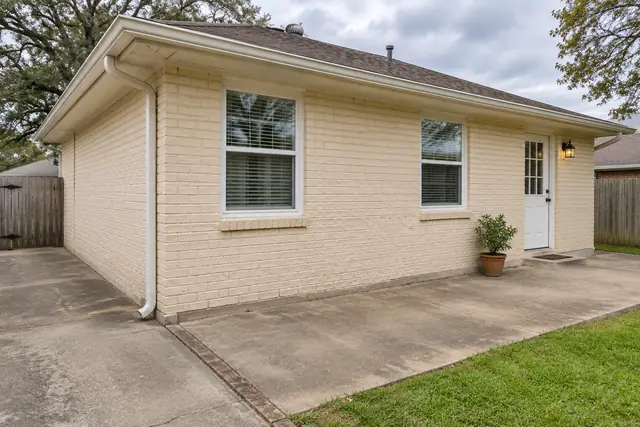
Give the enquiry one useful purpose.
Describe the result you want before collecting a long list of possible products. You might want to refresh the siding beside retained brick, make a particular patio area more useful or discuss windows within a wider wall project. Name the area and the household reason together. If several ideas matter, choose the first assessment question and identify the others as connected possibilities. A short statement helps the person reviewing the enquiry understand why the project is being considered. It also gives the household a reference when options arrive. An estimate request can begin with an open question; you do not need to select a complete system before explaining the home and the change you would like assessed.
Identify the property and the area being discussed.
Provide the property location and a simple description of the part of the house involved. Use ordinary labels such as rear patio, driveway-side wall or front gable. Keep the same labels in your photographs and notes. If the enquiry concerns a rental, second home or another property you help manage, identify the person who can discuss the proposed work and any approval question still open. Share the contact details needed for the enquiry through the project form. Private household routines and unrelated account information do not belong in a general photo folder. Clear property and area labels help distinguish the actual request from a reference photograph or another project being considered at the same time.
Separate the desired change from the visible condition.
Write what you see and what you want assessed as two connected notes. A faded finish may prompt an appearance enquiry; a visible gap or a recurring concern may need a condition assessment. Describe the observation without deciding from a photograph what is hidden behind a surface. Explain when you noticed it and identify the affected area. Keep any existing product information you already have, including a relevant old invoice or care document, with its source and date. Missing paperwork does not prevent you from describing the enquiry. The useful starting package preserves the known facts and makes the unknowns easy to recognize, giving the assessment a clearer question to resolve.
Show the surroundings that the work will meet.
A wide photograph can explain the relationship between a wall, its windows, the roof edge and the patio beside it. Mark features you expect to retain, including brick, doors, trim, gutters, an existing cover or the outdoor route. This context matters even when the requested change is limited. The siding or patio brief can hold more detailed area labels when several connected features are involved. Keep original images and use a separate marked copy for notes. A small set of useful views gives the enquiry a practical frame, while the assessment establishes final dimensions, existing conditions and which offered arrangement fits the property. Leave construction connections and support positions as assessment questions.
Record preferences as preferences.
Bring one or two examples of an appearance or arrangement you enjoy and identify the particular feature that appeals to you. A muted siding color, a trim relationship or a clear route beneath a cover communicates more than an unexplained folder of attractive houses. Label the example as a reference and keep it distinct from your own property photographs. If a product or finish has already been selected, include the exact information you have; otherwise mark it undecided. Ask which choices are needed for the next assessment step. This keeps the enquiry open to appropriate offered options without turning an early inspiration picture into an assumed product match, installation plan or agreed scope.
Explain the household constraints that affect discussion.
List the practical matters you want considered, such as an entrance normally used, access through a side yard, a pet routine or a date that affects household availability. Describe requested timing as a preference until scheduling information is actually agreed. If another project could affect the same wall or patio, identify it so the interface can be discussed. The first enquiry does not need a full daily calendar. Focus on the facts that help arrange an assessment and understand the requested work. When a routine changes, update the contact handling the enquiry so an earlier note is not mistaken for the household’s current situation or a confirmed construction arrangement.
Patios →
Ask what the next step will establish.
At the end of the first conversation, clarify which information is still needed and what the next assessment step is intended to resolve. You may need to identify a wall area more clearly, provide another view or discuss a retained feature. Keep those requests beside the original enquiry. A preliminary conversation, an assessed option and a written offer can contain different levels of detail; ask which stage you are reviewing. When an offer is available, use the proposal-comparison guide to examine the actual work, materials, price and boundaries. The first-estimate package remains the starting reference, helping the household recognize how its original goal has developed into the particular work being offered.
Send a concise package that can be followed.
A useful first submission combines the property location, one clear project goal, the affected area, retained features and a few labeled photographs. Add the specific question you want the assessment to address and your preferred contact details. Choose the service that best fits the enquiry in the estimate form, and describe connected siding, window or patio interests in the notes. You can use the service-specific project briefs when a wall-by-wall or outdoor-space record would help. Keep a copy of what you submitted and the next requested action. Accent can then review the actual starting information and clarify the offered next step, while the household keeps one understandable reference for the project conversation.
GOOD QUESTIONS. CLEAR ANSWERS.
Your your first estimate questions.
Use these answers alongside the assessed conditions and choices for your own property.
YOUR PROJECT · YOUR NEXT STEP
Turn your project ideas into a clear next step.
Share your project and city or ZIP. Accent can discuss the existing space, your priorities and the details needed for an estimate.
- Share your project
A short request. Phone or email. No account needed.
- Review scope and estimate
Discuss the assessed work, materials, preparation and exclusions.
- Approve and plan the work
Confirm the agreed scope and installation arrangements with Accent.
Your request starts a conversation. You approve the work before installation.
