
ACCENT HOME IMPROVEMENTS
A material choice. A wider question. Look beyond the visible finish.
A moisture-related exterior concern can begin with a visible finish change, a recurring observation or a question about a proposed material. Keep those starting points distinct. Before selecting siding, trim or another exterior component for a Greater New Orleans property, organize the location, available history and assessment questions. This guide helps prepare that discussion with Accent Home Improvements while keeping product choices connected to the actual building and offered work.
Start with the observation that raised the question
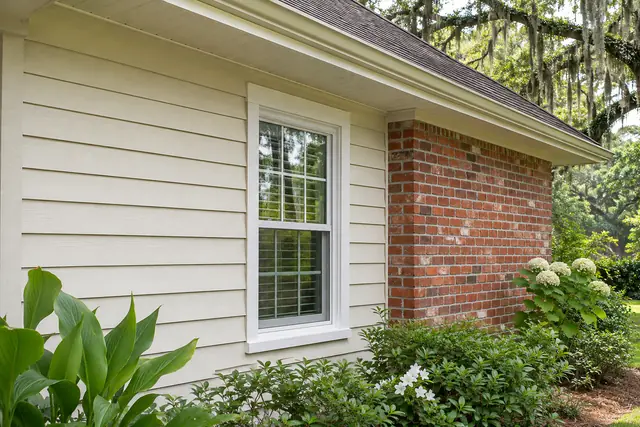
Identify the part of the house and describe what you have actually noticed. A finish change at a window corner, a recurring mark on an identified wall and a general preference for a different exterior are different starting points. Keep the date and location with any ordinary safe photograph. If a detail is only remembered, label it as recollection rather than a measured condition. Avoid naming a cause solely because the house is in a humid area. The useful enquiry explains the concern and asks what further information or assessment is needed before the provider discusses a proposed material or scope for the actual property.
Treat the exterior as connected components
EPA’s moisture-control guidance addresses building design, construction and maintenance across components including walls, roofs and site drainage. That broader context is useful when framing a question about one visible finish. It does not mean every moisture concern belongs in a siding offer or that this page supplies a building specification. Show relevant nearby openings, roof edges or retained materials so the appropriate provider can understand the relationship. Keep questions outside the offered service identified separately. A product-selection discussion should consider the actual location and work rather than assuming that changing the visible surface alone answers every question about the building.
Separate a cosmetic goal from an unresolved condition
You may dislike a finish while also having a question about a recurring observation. Record the appearance preference and the unresolved concern on separate lines. That helps the provider distinguish what you want to change from what still needs assessment. Do not use a new color or material as proof that the underlying concern has been explained. If a source has already provided an assessment, retain its actual document and limitations. If no explanation exists, leave the question open. An accurate brief can support a material conversation without presenting an attractive replacement surface as a diagnosis, a guarantee or an all-purpose remedy.
Keep existing material identification honest
Collect actual product and earlier-work records relevant to the area. Identify the source and date where available. A broad description such as siding or trim may help orient the conversation, but it does not establish the exact product, installation details or applicable care instructions. Do not assign a brand or specification because an online image looks similar. Where the installed item is unknown, make identification an explicit question. Keep a proposed new selection in a separate part of the file so its information is not accidentally applied to the existing material. This distinction becomes especially useful when comparing documents supplied at different times for different exterior areas.
Use the material-question fields before comparing options
The fields below organize one affected location at a time. Record the visible observation, current material information, surrounding components and specific question you want assessed. Add the desired appearance separately. If the question involves a recurring event, reference the appropriate dated log rather than compressing it into an unexplained statement that the wall always gets wet. Mark unknown details clearly. The record should help the provider decide what information is still needed, without creating a false impression that the household has evaluated concealed conditions or selected the correct installation approach. Keep the current entry with the actual enquiry and any later source response.
Your working record fields
- Affected location
- Wall, opening or trim area with a stable reference.
- Observation and date
- What was seen and when; no cause assumed.
- Existing material record
- Actual product source or identification still unknown.
- Nearby component
- Relevant window, roof edge, gutter or retained finish.
- Appearance preference
- Desired visual change, separate from the condition question.
- Assessment question
- What needs clarification and the appropriate source.
- Actual response
- Date and reference for the document received.
Ask about the exact proposed material and work
When an option is discussed, ask which product and related components are proposed for the assessed location. Keep the material name connected to the actual offered preparation, retained features and interface details. A general category does not establish immunity to moisture, a guaranteed service life or suitability for every part of a particular house. Review applicable product information and ask the appropriate source about unclear claims. Where an existing condition may affect the work, ask how it will be assessed and described in the proposal. Do not replace that discussion with a universal online rule about barriers, ventilation, sealants or a single preferred material.
Windows →
Bring interfaces and other providers into the questions list
A wall concern can involve nearby features without making them automatic inclusions in the proposed work. Identify the relevant window, roof edge, gutter or patio connection and explain the relationship you want clarified. Ask which parts fit Accent’s offered service and which questions need another provider or professional input. Keep separate assessments and offers with their actual sources. This guide does not prescribe an alteration to a building assembly or a repair sequence. Its purpose is to make the interface question visible before a household commits to a visual choice whose relationship to the existing house has not been discussed.
Evaluate the offer against the original concern
When a current offer is available, compare its identified locations, proposed products, preparation and exclusions with the questions that began the enquiry. Ask for clarification where an observation or interface remains unresolved. Keep the full offer and the actual response instead of rewriting them into a broader promise. If the scope or material choice changes, connect the revision to the affected location and retain meaningful earlier versions. Accent can then discuss the work it actually proposes, while diagnosis, specialist matters and product terms remain with the appropriate sources. A clear material brief supports a better decision by showing both the selected direction and the limits of what has been established.
GOOD QUESTIONS. CLEAR ANSWERS.
Your moisture and material questions.
Use these answers alongside the assessed conditions and choices for your own property.
YOUR PROJECT · YOUR NEXT STEP
Turn your project ideas into a clear next step.
Share your project and city or ZIP. Accent can discuss the existing space, your priorities and the details needed for an estimate.
- Share your project
A short request. Phone or email. No account needed.
- Review scope and estimate
Discuss the assessed work, materials, preparation and exclusions.
- Approve and plan the work
Confirm the agreed scope and installation arrangements with Accent.
Your request starts a conversation. You approve the work before installation.
