
HOMEOWNER GUIDES · ACCENT
Vinyl vs. fiber cement
Understand your options, ask better questions and plan a scope that fits your property. Start with the details that matter to your home.
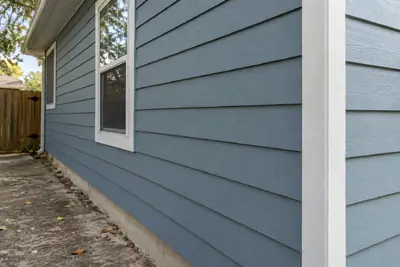
Compare siding
Start with the details that matter.
Vinyl: compare the complete profile
Start with a full-size sample and the elevation where it will be installed. Look at the panel profile, corner pieces, trim width and color beside the brick, roof and windows you are keeping. A product name alone does not describe the finished appearance. Ask which accessories and fastening details belong to that system, how the wall will be prepared and how movement will be accommodated. CertainTeed’s installation guidance calls for preparation, flashing and room for expansion. Request the instructions for the exact selected product rather than treating every vinyl panel as interchangeable.
Fiber cement: decide the finish as well as the siding
A fiber-cement proposal should identify the siding profile, exposure, trim and finish. Discuss whether the selected material arrives primed or with a specified factory finish, who completes painting or touch-up, and which documents explain ongoing care. Compare the proportions on an actual photograph of your home. Narrower or wider courses can change the way a gable or a long wall reads. Keep the chosen finish and installation documents with the estimate. A manufacturer’s material or finish coverage and the contractor’s workmanship terms are separate items to review, not assumptions about the entire project.
What belongs in both estimates
Make the two scopes comparable before deciding which price fits your budget. List the same elevations, removal, disposal, wall preparation, weather barrier work, opening transitions, soffit and fascia, corner details and cleanup. Identify what remains and which concealed conditions cannot be confirmed until removal. Ask how additional work would be photographed, discussed and approved. A lower total can describe less preparation or fewer finishing details rather than a less expensive version of the same job. Use a side-by-side written list so you can see exactly what changes when you change the material.
Choose for the house you have
Walk around every elevation before selecting a finish. Record older repairs, window changes, roof runoff and places where landscaping meets the wall. Discuss access around narrow side yards and which items you should move before work starts. Bring samples into outdoor light and compare them at different times of day. Request the selected manufacturer’s cleaning and maintenance instructions; James Hardie recommends gentle cleaning methods rather than a high-pressure washer. There is no universal material winner for every property. The practical choice brings appearance, wall condition, preparation, care and the agreed scope into the same decision.
Before you decide
Compare the complete siding proposal.
Choose the finish and the system together
Siding gives a house its character, but the finished wall also includes the pieces you notice less: starter details, corners, window trim, soffit and fascia. Begin with the elevations that need work and the appearance you want to keep. A sample looks different in full daylight than it does on a screen, so compare colors beside the roof, brick and existing windows. Vinyl and fiber-cement siding have different handling, fastening and maintenance requirements. Ask which exact product is proposed, which accessories go with it and whether the finish is factory applied or completed on site. A proposal should describe the entire wall assembly rather than leave the trim as an undefined allowance.
Look beyond a damaged panel
A loose panel, stained wall or soft section of trim does not establish the cause of a problem by itself. Note when the condition appears, which wall faces the weather and whether a nearby window, gutter or roof edge is involved. Include a wide photograph and a closer view in your request. An assessment can distinguish visible damage from conditions that remain concealed until removal. Agree on how additional preparation will be documented and priced before the old material comes off. Replacing an exterior finish without resolving the relevant water entry or attachment detail can leave the same concern in place underneath a new surface.
Compare repair with replacement
A localized repair may make sense when the surrounding material and attachment remain sound and a suitable matching component is available. A larger replacement may be a better conversation when problems repeat across several elevations or the desired appearance requires coordinated work. Color matching, faded finishes and discontinued profiles can affect a small repair. Ask to see the boundary between included work and the parts being retained. If windows or roofline repairs are also planned, consider their order before final siding finishes are installed. Request options that solve the defined problem; the largest project is not automatically the most suitable one.
Finish openings and edges deliberately
Walk around the house and list every transition: porch ceilings, corners, gables, hose connections, electrical fixtures, roof intersections and window openings. These details affect both the appearance and the work sequence. Confirm how penetrations, flashing and accessory pieces will be addressed using the selected manufacturer's instructions. Product-specific clearances and fastening requirements should be checked for the actual material and exposure. Keep painted surfaces, landscaping and irrigation in the conversation too. Before work begins, agree on access, temporary protection and what you should move away from the exterior. At completion, review the finish from several angles and keep the selected product information with the project records.
Take a closer look
Compare the complete siding proposal.
A clear plan before the first appointment
Bring your priorities, existing product information and any photographs of earlier repairs. Explain whether the work is for your own home, a rental property or a property you are preparing to sell. Discuss access, parked vehicles, pets and the areas that should stay available during the project. If another trade is involved, identify who will handle the connected work and when. Keep selections and assessment notes together, then ask for a written scope that separates preparation, installation, optional details and cleanup. Before traveling for an office visit, confirm the appointment location directly. A regional service-area page or map reference does not establish a walk-in office at the property shown. These steps give the first conversation enough context to produce a useful next action instead of a vague list of products.
Think about connected work before selecting a finish
Exterior elements meet at shared details. Windows interrupt the wall finish, soffit and fascia complete the roofline, and a cover changes where shade and water reach an outdoor space. If several changes are planned, discuss their order before materials are finalized. Completing one surface too early can mean revisiting it when the next part is installed. Ask which existing components will remain and how the proposed work joins them. A coordinated plan can still be completed in stages, provided each stage has a defined scope and the later work is considered without promising an unassessed future conversion.
Use the proposal to compare real choices
Ask for the selected products, affected areas, preparation, removal, finish details, cleanup and exclusions in writing. Keep allowances and optional items distinct from included work. Discuss who handles approvals and related trades, and what happens if concealed conditions are found. Two totals are not directly comparable if they describe different materials or preparation. Keep the documents alongside sample selections and assessment notes so a later decision can be traced to an agreed scope. The goal is a clear project that matches your priorities, rather than a collection of claims about the cheapest price or the fastest possible finish.
Vinyl and fiber cement: compare the right differences
Vinyl siding and fiber-cement siding can both change the look of an exterior, but they should not be compared as if the only difference were a color. Ask about the exact product profile, accessories, handling, fastening and finish. The wall condition and preparation matter regardless of the selected material. A product with an appealing appearance still needs compatible details around windows, corners and the roofline. Compare samples against the home's roof, brick and existing openings in daylight, then record the selected color and profile in the proposal. Different finish choices can also change the maintenance conversation. Ask which care instructions apply to the particular product rather than assuming every siding option follows the same routine.
Build two comparable siding scopes
Ask for two scopes that describe the same elevations and preparation, then identify the material-dependent differences. Check whether each includes removal, disposal, soffit, fascia, corners, gable trim and opening details. If one option retains an existing component and the other replaces it, note that distinction before comparing the totals. Discuss any additional preparation that may only become visible after removal and how it will be approved. The estimate should make the comparison understandable without suggesting either material automatically solves every moisture, appearance or maintenance concern. Keep the product information and manufacturer instructions with the final selections so future care and repairs can refer to what was actually installed.
Good questions. Clear answers.
A little clarity before you decide.
Open a question for a straightforward answer. For advice about your own home, tell us what you want to change and where the property is.
Prefer a conversation?
Eastbank 504-888-4733
Westbank 504-341-8178
Choose the fiber-cement appearance you want to discuss.
Use the lap-siding layout guide for horizontal courses and opening relationships, the board-and-batten planning guide for vertical rhythm, or the shingle-accent guide for gable placement and edge patterns. Each develops the specific appearance decision alongside the wider material and installation discussion.
Plan the vinyl appearance alongside the installation scope.
Compare the horizontal vinyl profile and course guide for the main wall rhythm, or use the vertical vinyl accent planning guide to define a gable or selected area, its panel balance and its boundaries. These appearance briefs support the product and assessed wall discussion; they do not replace it.
YOUR PROJECT · YOUR NEXT STEP
Ready for new siding?
Share your project and city or ZIP. Accent can discuss the existing space, your priorities and the details needed for an estimate.
- Share your project
A short request. Phone or email. No account needed.
- Review scope and estimate
Discuss the assessed work, materials, preparation and exclusions.
- Approve and plan the work
Confirm the agreed scope and installation arrangements with Accent.
Your request starts a conversation. You approve the work before installation.
