
ACCENT HOME IMPROVEMENTS
Property investment scope. Compare the property work clearly.
An exterior offer is more useful when it identifies the actual property, work areas and assumptions behind each option. Bring a factual starting brief to Accent so a property decision can use a defined siding, window or patio scope.
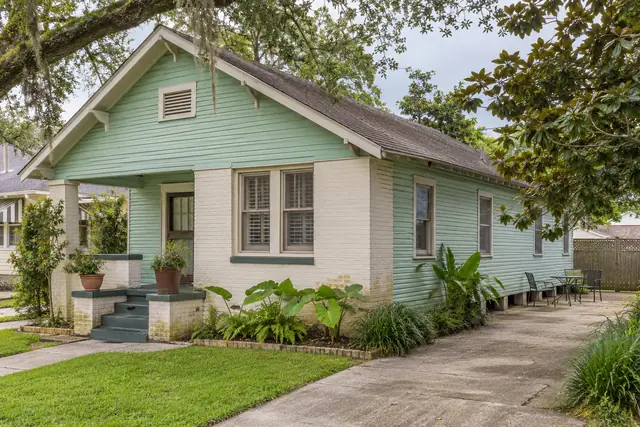
Identify the property and the decision the scope will support.
Start with the address and a plain description of the exterior work you want assessed. Explain whether you are comparing a limited update, a broader improvement or separate options for the same property. Keep the purpose tied to the actual areas rather than a general request to improve investment value. A contractor’s offered scope describes particular work; it does not establish a resale result, rental outcome or overall property valuation. Maintain those wider property assumptions in their own decision record. The useful exterior brief lets you identify what is being assessed, which information is available and what still needs clarification before a particular offer can be used in a broader property discussion.
Separate observed conditions from assumed work.
Use dated photographs, available reports and relevant repair history to describe the current exterior. Identify who supplied each item and mark uncertain information as uncertain. A finish that looks worn in a listing image does not by itself establish the extent of preparation or an appropriate replacement scope. Ask what further assessment is needed for the actual property. Keep the proposed result separate from the condition record so an appearance goal is not mistaken for a diagnosed repair. Where information is missing, name the gap instead of inserting an assumed task solely to complete a project worksheet. This makes later changes to the offered scope easier to understand because the original basis of the enquiry remains visible.
Define the surfaces and components in each option.
Give the work areas consistent location names and list the components under consideration. An option might concern selected gable siding, particular openings or one outdoor area rather than the entire exterior. Identify retained brick, trim, roof features and other finishes that give the work its boundary. Ask the offer to state included preparation and surrounding finishing, not only the broad product name. A limited option and a wider option can both be useful comparisons when their differences are clear. Keep those differences visible before treating a headline total as the cost of the same result. The written scope should be understandable to a person reviewing the property file without access to the original conversation.
Give existing improvements a place in the brief.
Record the exterior features you want to keep and any available product or service information relevant to them. An existing patio cover, newer window or retained wall finish may affect the questions posed for adjoining work. Do not assume that a proposed new component replaces the surrounding preparation or another provider’s scope. Show the visible relationships in the photo set and ask which interfaces require assessment. If earlier work is described in a seller, manager or owner record, retain the source rather than convert it into a verified specification. The purpose is a current property brief that distinguishes documented information, visible conditions and unresolved details at the places where a new offered option would meet what already exists.
Request alternatives using the same starting basis.
When comparing options, keep the property, affected locations and desired result consistent enough to see what actually changes. Identify whether the difference concerns coverage, a product choice, retained areas or another aspect of the offer. Keep each alternative with its own current document so a finish from one option is not combined with another option’s total. Ask for clarification where the assumptions differ. The budget-factors guide explains why the work behind a price matters, while this investor brief preserves the particular option basis for the property under review. It should help you recognize a defined comparison without presenting an exterior quote as a complete assessment of every cost or condition associated with the property.
Keep scope uncertainties visible in the property file.
List questions about concealed conditions, retained interfaces, related trades or excluded work beside the affected location. Ask how the actual offered scope addresses assessment and any later finding that may require a decision. Do not replace an unanswered question with an assumed fixed task in a wider property worksheet. Use the exclusions guide to review what the offer does and does not describe. If another professional or provider is responsible for a question, retain that distinction in the file. A clearly bounded exterior option can support a property conversation while leaving unresolved items honestly visible, allowing the responsible parties to obtain the additional information they need before treating the overall property plan as settled.
Patios →
Keep current phases distinct from later intentions.
If only part of the exterior is being considered now, identify the current work and its intended stopping points. Record any later idea as a future intention rather than include it implicitly in the present offer. Ask how a future siding, window or patio enquiry would relate to retained finishes and current selections. The phased-project guide develops the household planning method; the investor property file should retain the actual scope basis and open questions for each option being compared. If a manager will handle a separate address-level enquiry, use the management record consistently. A property’s wider plan may develop, but each contractor discussion should still point to the particular work, location and document under consideration.
Ask for the specific assessment information you need.
Contact Accent with the property location, project role, affected exterior areas and the alternatives you want discussed. Include useful dated views and known retained components, then identify missing information that may affect the enquiry. Ask which services, assessment and written scope details are available for the actual property instead of assuming a standard investor package or standing pricing arrangement. Retain the resulting offer with its date, selections, included work and unresolved boundaries. A later property decision can then refer to the same defined exterior option. This keeps the contractor enquiry practical and traceable while allowing separate valuation, financing or ownership questions to be addressed through the sources responsible for those matters.
GOOD QUESTIONS. CLEAR ANSWERS.
Your property investment scope questions.
Use these answers alongside the assessed conditions and choices for your own property.
YOUR PROJECT · YOUR NEXT STEP
Turn your project ideas into a clear next step.
Share your project and city or ZIP. Accent can discuss the existing space, your priorities and the details needed for an estimate.
- Share your project
A short request. Phone or email. No account needed.
- Review scope and estimate
Discuss the assessed work, materials, preparation and exclusions.
- Approve and plan the work
Confirm the agreed scope and installation arrangements with Accent.
Your request starts a conversation. You approve the work before installation.
