
ACCENT HOME IMPROVEMENTS
Siding questions. Know what the proposal includes.
A siding estimate should answer the questions that change what you are buying. Use this guide to review a proposed scope: the walls included, actual products, preparation, retained finishes and the decisions still open. Bring unanswered items to Accent so your enquiry moves toward a clear assessment and comparable written proposal.
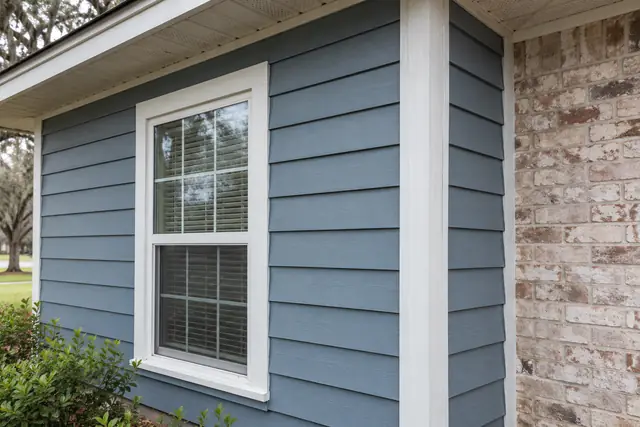
Does the proposal name the walls being discussed?
Read the proposed work against a broad view of the house. Can you identify each included elevation without relying on a remembered conversation? Ask about upper gables, short return walls and sections interrupted by brick or an addition. If one wall is excluded, have that boundary made clear. The question is especially useful when you are comparing an overall exterior refresh with work on selected areas. Keep the same wall labels when talking with another provider so different scopes do not look identical on a summary page. The siding replacement brief helps collect the property facts before the enquiry. This question guide is for checking whether an offered proposal has answered those facts. A clear answer identifies the included locations and shows where the proposed work meets materials that will remain.
Can you identify the actual siding and finish?
A phrase such as new siding does not settle the material, profile, finish or related trim selection. Ask for the proposed product information and identify any choices that remain open. If you are comparing vinyl and fiber cement, use the material comparison guide to explore the offered options, then return to the specific products in the proposal. Keep a sample or its identification with the selection record. A reference photograph can explain an appearance preference without confirming the product being purchased. Ask whether a change to a different profile or finish would require a revised scope or availability discussion. The useful answer is traceable to a named selection, with alternatives clearly labeled. It should not depend on guessing which product was shown in an earlier picture or assuming that every material option is included at the same price.
What removal and preparation are included?
Ask how the scope distinguishes existing material removal, the preparation that can be identified now and conditions that may need further assessment. You do not need to prescribe a wall assembly or decide what is concealed behind existing siding. Instead, ask what the initial assessment establishes and how an unexpected finding would be explained before the affected work is agreed. Keep any stated exclusion or allowance beside that question. A low headline price and a broad replacement description may leave different preparation assumptions unresolved. The written answer should let you compare the proposed boundary fairly with another estimate. If a response depends on something that will be seen only after removal, keep the condition visible rather than marking the question fully answered. That distinction is more useful than seeking a promise that nothing unexpected can occur.
Where do siding, trim and openings meet?
Ask about the corner pieces, door and window surrounds, lower edges and transitions to retained brick or another finish. Have the scope identify which components are new, retained, assessed separately or excluded. A request for siding does not automatically answer every surrounding trim question. If window replacement is also being discussed, use the opening worksheet to connect each location with the responsible scope. Keep the product and installation details with the professional assessment. Your review checks whether the interfaces have been considered and whether the responsibilities are understandable. It does not approve fastening, flashing or concealed construction from a finished photograph. A useful answer connects the named wall and opening to the proposed work and makes any separate trade or finishing responsibility explicit before the two scopes are compared.
Which existing components are expected to remain?
List the features you want to keep and ask how that preference is represented in the assessment. Brick, shutters, existing windows, gutters or a patio connection may need different conversations even when they are visible on the same wall. Ask whether the proposal includes any associated removal, protection, reinstatement or finishing work. Do not assume that an item marked retained can always remain untouched in exactly its present arrangement. Suitability and required connections belong in the assessed project. Keep a separate line for an unresolved item so it cannot disappear inside a general description of new siding. This question helps distinguish a simple appearance preference from a confirmed scope boundary and prevents nearby services from being treated as automatically included in the siding purchase.
Are the schedule and change questions answered separately?
Use the siding timeline guide to ask about decisions, material arrangements, the on-site sequence and the next confirmed update. Keep those milestones separate from the amount of work being offered. A date written beside an estimate does not by itself answer how a later requested change or newly assessed condition would be handled. Ask what record will describe the changed work, its price if applicable and its effect on timing. You can review that process before any change actually occurs. Keep the original proposal and later revisions identifiable by date. The aim is to know which version governs the current decision, rather than comparing a new finish date with an old scope and assuming they describe the same project.
What makes two siding estimates comparable?
Place the same wall list beside each proposal and compare the specified products, trim, removal, preparation assumptions, connected work and exclusions. Mark differences before comparing totals. One provider may be offering a different extent of replacement, a different finish or a different responsibility for adjacent work. Ask for unclear items to be explained using the same property labels. General consumer guidance from the Federal Trade Commission supports obtaining written estimates and asking about price differences; it does not make the lowest figure or the longest document the right choice for your house. A useful comparison tells you what each offer buys and what questions remain. Keep optional upgrades separate from the base work so one total does not quietly include choices absent from the other.
What should be clear before you choose the next step?
Review the remaining unanswered questions and decide which need a property assessment, product selection or written clarification. Ask about applicable product and workmanship information for the actual proposed work without assuming a particular warranty promise. Identify the included finishing and cleanup responsibilities and the records you should retain. When contacting Accent, send the location, a broad wall view and the questions that matter most to your decision. Link a concern to its wall label whenever possible. Use the siding service route for the installation or replacement enquiry. Keep this question list alongside the actual proposal so you can distinguish your first preferences, the assessed offering and the choices eventually confirmed for the property.
GOOD QUESTIONS. CLEAR ANSWERS.
Your siding questions questions.
Use these answers alongside the assessed conditions and choices for your own property.
YOUR PROJECT · YOUR NEXT STEP
Ready for new siding?
Share your project and city or ZIP. Accent can discuss the existing space, your priorities and the details needed for an estimate.
- Share your project
A short request. Phone or email. No account needed.
- Review scope and estimate
Discuss the assessed work, materials, preparation and exclusions.
- Approve and plan the work
Confirm the agreed scope and installation arrangements with Accent.
Your request starts a conversation. You approve the work before installation.
