
ACCENT HOME IMPROVEMENTS
Summer patio planning. Make ordinary outdoor time useful.
Build a warmer-month patio plan from the way your household actually uses the yard. Compare recent observations with the activities you want to improve, then separate small layout decisions from work that needs assessment. Keep shade, access, adjoining rooms and any cover or enclosure enquiry together in one dated seasonal review.
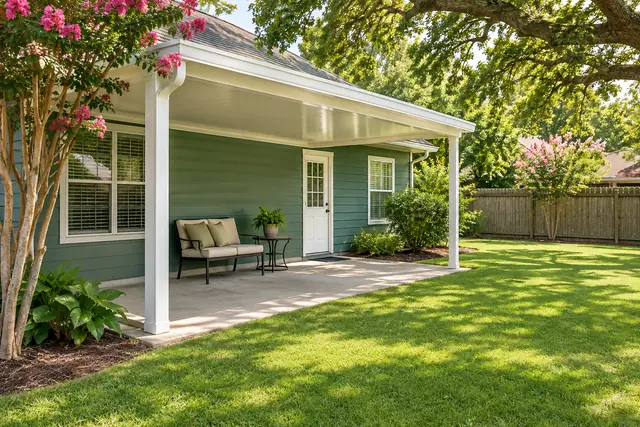
Begin with what happened during ordinary outdoor time.
Look back at a recent warm period and record when the patio was actually used, who used it and what made the time outside more or less useful. A plan based only on a special gathering may miss the weekday routine that matters most. Keep the review tied to a few dated observations rather than a long list of general backyard wishes. Note whether the household wanted a seat near the garden, a place for a meal or a more convenient route between the house and yard. If the intended use has changed since the last review, say so. This seasonal record is a way to choose the next project conversation, not a prediction of future weather or a promise that one cover arrangement solves every comfort concern.
Choose one priority that would change everyday use.
Put the possible improvements in order and name the main activity behind the first one. A request for more outdoor living becomes clearer when it describes a particular place and time. You might want to improve a frequently used sitting spot, preserve a route past the table or reconsider the boundary of an existing covered area. Keep those goals distinct from a choice of roof product or enclosure wall. Ask which problem needs a layout discussion and which needs a property assessment. The design guide develops options once the priority is understood. A short ranked list helps the conversation remain focused when several attractive ideas compete for the same yard, budget discussion or assessment visit, without declaring that every idea must become part of one project.
Update sunlight observations at the times that matter.
Use the detailed backyard shade guide if the main concern involves where sunlight reaches a seat, doorway or adjoining room. For the seasonal review, keep a short summary of the relevant place, approximate time and activity, with the date and photo view. Do not assume that one cloudy-day image explains the conditions during the times you usually sit outside. Include nearby features that affect the experience, while keeping their long-term permanence uncertain where appropriate. The observations describe the conditions you want discussed; they do not calculate a shade guarantee or establish a final roof size. Ask how the assessed cover arrangement relates to the priority location and the daylight entering nearby openings. Carry forward the useful observations rather than starting a different unconnected shade request at each conversation.
Review the route and furniture before changing the structure.
Show how people move from the house through the patio and toward the yard or gate. Add the furniture you actually expect to keep, including chair movement and the items usually carried through the space. Record where the current arrangement creates an awkward conversation or requires moving a chair. A simple sketch can identify questions without prescribing a universal clearance or final support location. Distinguish a household layout preference from a proposed building change that needs assessment. The useful seasonal outcome is a record of the route and activity you want a future option to address. Keep those facts consistent when you later compare roof footprints, support arrangements or an enclosure, so a design does not appear to work only because an important everyday task disappeared from the sketch.
Decide what should remain open to the yard.
Identify the part of the lawn, garden view or uncovered outdoor area you want to preserve. More covered space may be an appealing idea, but it should be compared with the open space the household values. Include adjoining house windows and doors in the same review. Explain whether you prefer an outdoor-feeling area or want to explore a screened or glass-enclosed room. Those experiences raise different questions and should not be selected only because one example looks attractive. Use the enclosure comparison to clarify the choice when needed. The seasonal review keeps the desired covered area, open-yard boundary and house relationship together, while leaving actual dimensions, suitability and offered product decisions to the assessment of the property.
Bring the existing cover's record forward.
If the patio already has a cover, review known product information, previous changes and the last dated condition notes. Record a newly noticed mark or water observation by location without deciding its cause in advance. Ask whether the next enquiry concerns replacement, a different layout or another assessment question. The patio care guide develops the ongoing product and history record; this seasonal review carries its relevant questions into the current priority list. Do not assume that the age of the cover alone establishes a replacement need or that an intact-looking floor settles suitability for new work. Keep retained preferences, observed concerns and desired changes in separate fields. That makes a possible new scope easier to discuss without confusing ordinary ownership information with a conclusion about the entire existing arrangement.
Separate the summer goal from a confirmed project schedule.
Tell Accent if an event, travel plan or household routine matters to the enquiry, then ask about the realistic assessment and scheduling discussion for the offered work. A seasonal preference is useful context, but it does not establish material availability or a confirmed installation date. Keep the work being considered, open decisions and next update identifiable. If a project may happen later, save the current observations and the reasons behind the priority rather than discarding the record. They can support the next assessment conversation even when the calendar changes. Avoid assuming that every summer-use issue needs to be solved by one immediate purchase. A clear present priority, documented conditions and an agreed next step give the project discussion a practical purpose without inventing a booking promise.
Take one seasonal summary into the next conversation.
Finish the review with five short entries: ordinary use, main obstacle, desired outcome, parts to retain and question for assessment. Add the location and broad photographs, with links to any more detailed sunlight or project brief record. If you want a patio cover discussed, use the Patios route; if an enclosure is the main request, use the Enclosures route and describe the intended experience. Keep the same dated summary for follow-up so later choices remain connected to the original priority. After the discussion, mark which questions were answered and what information is still needed. Revisit the record when use or conditions change. The goal is a seasonal planning habit that leads to a well-described assessment enquiry and a clear offered scope for the actual house and yard.
GOOD QUESTIONS. CLEAR ANSWERS.
Your summer patio planning questions.
Use these answers alongside the assessed conditions and choices for your own property.
YOUR PROJECT · YOUR NEXT STEP
Make more use of your patio.
Share your project and city or ZIP. Accent can discuss the existing space, your priorities and the details needed for an estimate.
- Share your project
A short request. Phone or email. No account needed.
- Review scope and estimate
Discuss the assessed work, materials, preparation and exclusions.
- Approve and plan the work
Confirm the agreed scope and installation arrangements with Accent.
Your request starts a conversation. You approve the work before installation.
