
HOMEOWNER GUIDES · ACCENT
Window planning
Understand your options, ask better questions and plan a scope that fits your property. Start with the details that matter to your home.
KNOWLEDGE CENTER · WINDOW GUIDE
Before choosing a window, identify what is happening at each opening and what you want to improve. A useful proposal explains the product, the installation method, nearby finishes, and how unexpected damage will be handled.

AT A GLANCE
What to take into a first conversation
Share the address, the area of the building, a few clear photos, your preferred outcome, and any earlier repairs or known restrictions. Ask for the next assessment step and a written scope.
PROJECT DECISION
Describe the symptom first
A difficult sash, draft, condensation, staining, damaged trim, or a changed design goal may point to different scopes. Record which window is affected and when the problem appears. Photograph the inside, outside, and any visible staining without removing components yourself.
An estimator can then discuss whether the existing frame is sound and how the opening will be measured. Avoid assuming that every symptom is caused by the glass alone.
PROJECT DECISION
Compare the specified product and installation
Ask for the exact model, frame material, glass package, operation style, screens, hardware, finish, and care instructions. Clarify whether an insert or a more extensive replacement is proposed and which interior and exterior trim pieces will be disturbed.
Water management at the opening deserves a plain explanation. Ask how the work will handle flashing, sealing, and any existing damage, and how a discovery after removal would be documented and approved.
PROJECT DECISION
Prepare the home and keep the records
Confirm access to each opening, move fragile items away from work areas, discuss furniture and floor protection, and ask about the weather plan. Keep the written proposal, selected product information, warranty terms, and final photos together.
After installation, operate each window and review screens, hardware, finishes, and the agreed cleanup before the job is closed.
THE EXTERIOR, UP CLOSE
See the details in the gallery
Explore siding, shade, windows and roofline details from Accent’s existing website photo collection. Select a photo for a closer look.
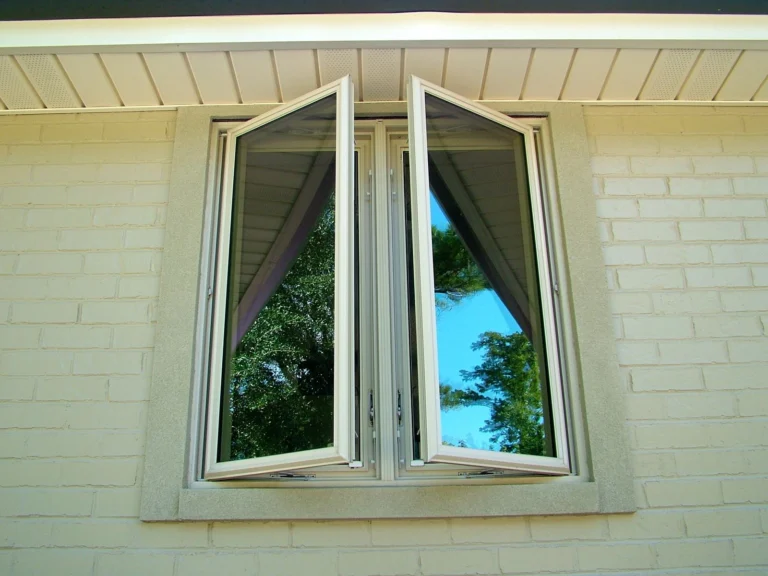

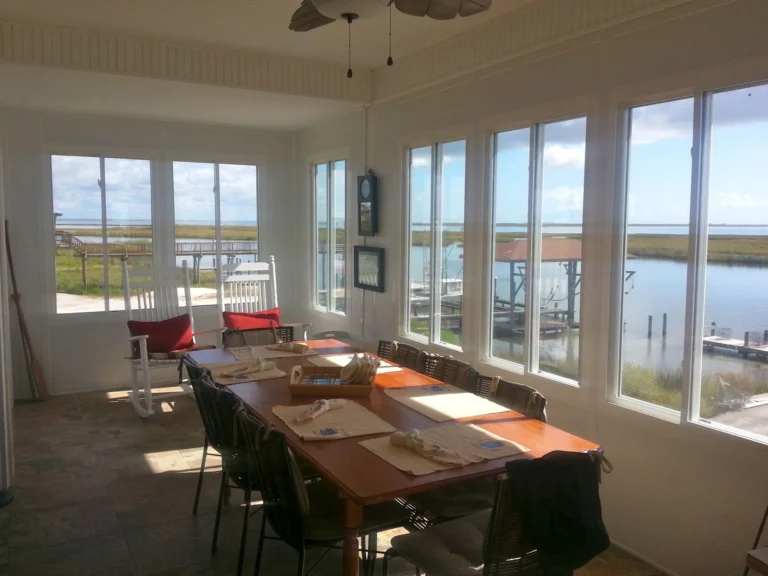
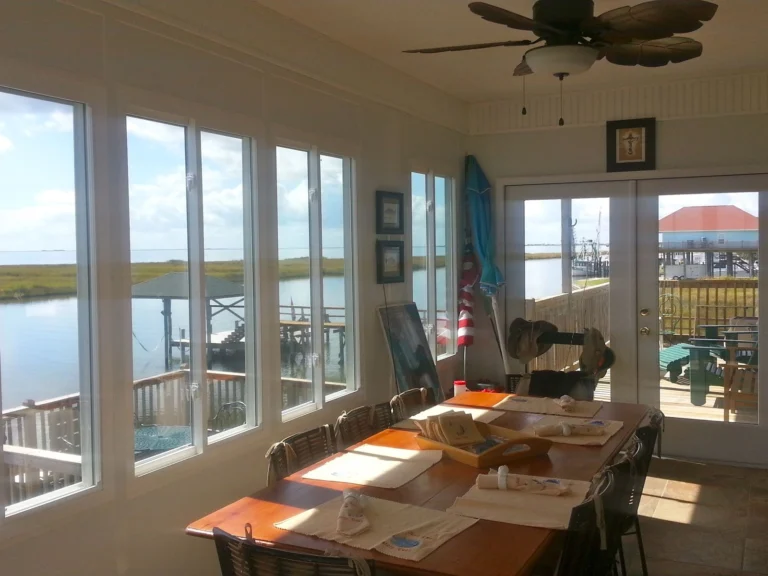
Existing site photo collection. Individual project locations, products and outcomes are not asserted here.
Questions worth asking
Still have a question?
That depends on condition, goals, budget, and the selected scope. Ask for an opening-by-opening assessment.
Condensation has several possible contributing factors. Discuss humidity, ventilation, the selected product, and site conditions rather than assuming a guaranteed result.
Get a project-specific answer
Tell Accent what you are planning and where the property is. Include photos and the questions that matter most. Confirm current availability and the next step directly.
Before you decide
Choose windows with a clear plan.
Separate the window problem from the room problem
Make a room-by-room list before selecting replacement windows. Note whether the concern is difficult operation, worn frames, fogging between panes, visible water staining, unwanted heat or the appearance of the opening. These are different questions and may require different details in the proposed work. Photograph the entire opening and the affected area. Mention earlier repairs and when the condition becomes noticeable. A replacement unit should be considered alongside the existing wall and trim; choosing new glass alone does not establish the cause of a leak or guarantee a particular change in comfort.
Compare product ratings and installation scope
Window brochures can make different products seem interchangeable. Ask for the exact manufacturer, series, operating style, frame finish and glass configuration. Where energy performance matters, use the product's NFRC ratings and check whether its ENERGY STAR certification applies to the home's climate zone. Compare U-factor and solar heat gain coefficient as part of a complete selection, without treating either number as a promised bill reduction. Ask separately about the installation method, existing frame condition, flashing and finish work. A good product and a clearly defined installation are both part of the decision.
Plan the opening before ordering the finish
Identify which openings are being replaced and which are staying. Discuss window operation, screens, locks, room use and accessible cleaning. A change in style or opening dimensions can introduce additional considerations that should be reviewed before an order is placed. Where siding work is planned, coordinate the exterior trim and opening details early. Ask whether interior finishes will be disturbed and who restores them. Final measurements and product suitability belong in the confirmed project scope. Approximate homeowner measurements can help explain a request, but should not be treated as the final order dimensions.
Keep a record for each selected window
Request a written schedule that identifies the window locations and specifications. Confirm removal, disposal, protection, exterior and interior finish work, cleanup and any exclusions. Ask how additional work will be handled if removal exposes deterioration around an opening. Keep the product labels, care instructions and warranty information where you can find them after installation. At the final walkthrough, review operation, locks, screens and visible finishes. If the project is being done in stages, keep a record of the installed series and finish so later work can be planned with the earlier selections in mind.
Take a closer look
Choose windows with a clear plan.
Build a window-by-window planning list
Label each opening by room and write down the concern you want resolved. A difficult sash, fogging between panes, a damaged frame and a hot room are different observations. Include whether you want to retain the current style or discuss a change, and photograph the inside and outside where it is safe to do so. Note any siding or trim work already planned. This list helps the contractor distinguish the number of replacement units from the preparation around each opening. Approximate measurements can describe the request, but final order dimensions and product suitability should be confirmed through the assessment and installation plan.
Use ratings and scope together
For each proposed unit, record the manufacturer, series, operating style, frame finish, glass selection and accessories. Review the exact NFRC performance ratings and climate-zone certification where energy efficiency is part of the goal. Compare those specifications alongside installation, flashing, interior finish restoration, exterior trim, removal and disposal. A different glass package or a different preparation scope can change the meaning of the price. Do not assume a label guarantees a particular saving on an individual home's utility bill. Keep the selected product information and care instructions with a map of the installed openings so later stages or service requests can refer to the correct units.
Good questions. Clear answers.
A little clarity before you decide.
Open a question for a straightforward answer. For advice about your own home, tell us what you want to change and where the property is.
Prefer a conversation?
Eastbank 504-888-4733
Westbank 504-341-8178
Know what the window label tells you.
Use the documented product ratings as part of your comparison. They describe the selected window, while the installation and the room remain part of the complete project.
Keep window and siding questions together.
If the project includes surrounding siding or retained exterior trim, use the siding and window opening schedule worksheet alongside this guide. Give each opening a consistent reference and connect photographs, retained components and unresolved scope decisions to that location. Keep the assessed product and installation details with the proposal.
YOUR PROJECT · YOUR NEXT STEP
Ready to compare replacement windows?
Share your project and city or ZIP. Accent can discuss the existing space, your priorities and the details needed for an estimate.
- Share your project
A short request. Phone or email. No account needed.
- Review scope and estimate
Discuss the assessed work, materials, preparation and exclusions.
- Approve and plan the work
Confirm the agreed scope and installation arrangements with Accent.
Your request starts a conversation. You approve the work before installation.
