
ACCENT HOME IMPROVEMENTS
One board. A clear project file. Keep each building and decision in view.
An association exterior project can involve several buildings, different owner contacts and more than one version of a proposed scope. A board project register gives those moving parts an address, a location and a current status. Use this guide to prepare a focused exterior enquiry for Accent Home Improvements in Greater New Orleans, while keeping the association’s own decision process and responsibilities in the proper hands.
Start with a property register, not one long email
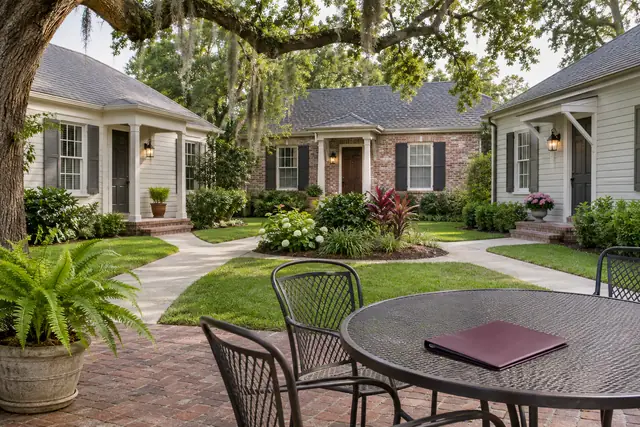
Give each affected building a stable reference before collecting preferences or prices. Record the street address, the association’s building label and the particular elevation or outdoor area under discussion. A front photograph can help a provider connect those references, but it does not establish ownership or responsibility. Keep any uncertainty about a wall, patio or opening visible in a separate questions column. If two buildings look similar, show each one individually instead of assuming that the same visible condition or proposed selection applies to both. This location register becomes the index for later enquiries, offered scopes and actual decisions, without turning a photograph into an assessment.
Give repeated features individual locations
A row of similar windows or patio covers can make a general description sound more precise than it is. Label the affected locations in a consistent way: building, elevation, entrance and feature. Use an annotated copy for arrows and keep the original photograph alongside it. Explain whether the enquiry concerns one location, several identified locations or a possible wider review that has not been defined. Record which areas the board wants to retain as well as those it wants to discuss changing. The resulting list helps Accent understand the requested service and identify missing information. It does not establish that every repeated feature needs the same work.
Keep the offered scope separate from the decision record
The current provider offer and the board’s decision notes answer different questions. One describes the work actually offered, its identified locations, selections and exclusions. The other records what the association has decided through its own process. Keep both documents, with clear version dates and references between them. A meeting note that mentions a preferred color should not silently replace a different selection in the current written offer. Likewise, a provider’s suggested option should remain an option until the appropriate people have resolved it. Ask the association’s responsible contacts to confirm how decisions are recorded; this guide does not interpret governing documents or voting requirements.
Name the contact for each kind of question
A single project contact can make correspondence easier to follow, but that person may still need answers from residents, the manager or other board members. List who can supply building information, who handles resident communications and who returns decisions to the provider. Ask how Accent should receive consolidated questions and what information is needed before discussing an assessed scope. Avoid sending conflicting selections from several unrelated email threads. Keep resident access concerns and preferred communication arrangements attached to the relevant location. This is a practical contact record, not a statement that a named volunteer can authorize work or speak for every owner.
Record building differences before comparing options
Similar appearances can conceal important differences in the requested work. One building may involve siding and retained brick, while another enquiry concerns a patio cover beside an existing doorway. Note those differences rather than asking for one unexplained total across the property. If the association wants alternatives, identify what stays constant and what changes between them. Ask the provider to explain the basis of the actual offer, including any locations that still require assessment or a separate discussion. Keep earlier quotes for context, marked as earlier versions. An orderly comparison helps the board see whether it is considering equivalent work without treating preliminary numbers as a current commitment.
Connect resident information to the affected area
Resident comments can be useful when they describe a specific everyday concern: which entrance is used, where outdoor furniture sits or which area needs a communication update. Place those notes under the matching building reference instead of mixing them into the board’s selection record. Distinguish a resident preference from an agreed project requirement and from a provider’s confirmed preparation instruction. Do not announce an installation date or a promised access arrangement before the appropriate parties have confirmed it. If a concern affects a shared route or neighboring area, make it an explicit question in the enquiry. That keeps the board’s file useful without inventing a site plan.
Patios →
Close versions without losing the trail
When a selection or scope changes, retain the previous document and mark which version now governs the conversation. A short revision note should identify the affected building, what changed, who supplied the update and which questions remain open. Do not overwrite the location labels midway through the project without a matching reference table. At the end of an enquiry stage, collect the current offer, relevant decision record and unanswered questions in one clearly dated set. A provider can then respond to the right documents. This also helps a later board member understand the discussion without assuming that an older preference was approved or that earlier work was completed.
Bring Accent a defined enquiry
Send the building register, a small set of matching exterior photographs and a concise description of the service you want to discuss. Explain whether the enquiry concerns siding, windows, gutters, patio covers or another service shown on Accent’s current website, and ask which parts fit the requested work. Include the association’s designated contact and any unresolved location or responsibility questions. Accent can then clarify what additional information or assessment is needed for the actual property. Keep governance decisions, professional advice and work outside an offered scope with the appropriate parties. The goal is a useful first conversation supported by records that remain understandable as the project develops.
GOOD QUESTIONS. CLEAR ANSWERS.
Your board project-record questions.
Use these answers alongside the assessed conditions and choices for your own property.
YOUR PROJECT · YOUR NEXT STEP
Turn your project ideas into a clear next step.
Share your project and city or ZIP. Accent can discuss the existing space, your priorities and the details needed for an estimate.
- Share your project
A short request. Phone or email. No account needed.
- Review scope and estimate
Discuss the assessed work, materials, preparation and exclusions.
- Approve and plan the work
Confirm the agreed scope and installation arrangements with Accent.
Your request starts a conversation. You approve the work before installation.
