
ACCENT HOME IMPROVEMENTS
Keep the decision attached. Connect the association response to the work it actually covers.
Keep the association response beside the selections it actually concerns. Match its references and any stated conditions to your current proposal, then identify what still needs clarification. Use this record after a review response arrives, and keep public approval questions in their own file.
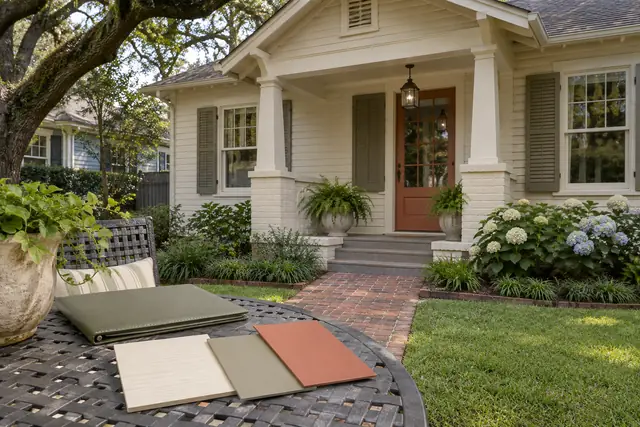
Retain the actual response before summarizing it
Save the communication or document that was supplied, including its date and the reviewing contact. Keep the original available even if you make a shorter household summary. A summary can help organize the file, but it should not replace the wording or imply a broader decision than the source provides. If the response was given in a conversation, record that fact and ask the relevant contact how it should be confirmed. Do not label a question, informal comment or request for more information as a final decision. The first purpose of the record is to preserve what actually happened and who can clarify the response for the property.
Identify which submission the response concerns
Connect the response to the particular material submitted for review. Use the available proposal version, selection list, location references and submission date. If the response does not clearly identify the material it concerns, ask the reviewing contact rather than assume it covers every option previously discussed. An older color choice or a different window arrangement may still appear elsewhere in the household file. Keep those versions distinguishable from the current one. This is a practical matching task: the reviewing contact, homeowner and installer should be able to identify the same proposed work without relying on memory or a broadly named attachment such as final exterior plan.
Keep stated conditions in their own entries
Where the response includes conditions or requested actions, preserve the actual wording with a reference to its source. Make a separate entry for each item you need clarified or addressed. Ask the appropriate contact about meaning, responsibility and the next step instead of supplying your own legal interpretation. A condition connected to one elevation or selection should remain tied to that part of the request. Keep evidence of any follow-up response or information supplied. The record should make an unresolved item visible rather than bury it inside a general note that the project was approved. Use the actual process for the property to confirm what must happen next.
Compare the response with the current proposal
Place the referenced selections beside the current contractor description. Check the affected locations, product identification and offered finishes that are actually available in the record. If one document refers to an earlier choice, identify the mismatch before it becomes an ordering assumption. Ask Accent what work and selections its current proposal describes, while the association contact clarifies the review response. Those are separate questions for their respective sources. A contractor proposal does not enlarge the association's decision, and a review response does not supply every installation detail. The useful comparison keeps both documents understandable without merging them into a single promise about the project.
Record the next action without assuming it is complete
For each open item, identify the contact, question or requested information and the status that actually applies. If a reply has been requested but not received, leave it open. If the relevant contact supplies clarification, keep the response and date with the entry. Do not infer completion simply because another project activity is ready to proceed. Before relying on an ordering or scheduling assumption, ask the appropriate parties which requirements and selections need to be settled for the actual work. The homeowner record organizes those dependencies; it does not decide their legal effect or authorize construction while a property-specific question remains unresolved.
Your working record fields
- Response source
- Actual communication, reviewing contact and date.
- Submission version
- Selection list, proposal and location references reviewed.
- Stated item
- Decision wording or condition retained with its source.
- Current comparison
- Match or mismatch with the contractor offer.
- Open action
- Question or requested information still outstanding.
- Responsible contact
- Who clarifies the review or supplies project information.
- Update trail
- Reply date, changed selection and current version.
Use a fresh comparison when a selection changes
When a proposed product, finish, location or arrangement changes, preserve the difference through the project-change record. Ask the reviewing contact whether the association information needs to be updated and what process applies. Keep the contractor's revised proposal and the review correspondence connected to the same version. Do not assume that a prior response applies to an alternative that was never clearly included in the submitted material. Equally, do not invent a universal rule that every small change follows the same route. Record the actual answer for the property. This keeps a later conversation from treating two different versions as though they were the same settled selection.
Keep public approvals and installation records separate
Store association correspondence alongside the wider project file while retaining clear document labels. Public-authority responses, manufacturer information and the installation scope serve their own purposes. A public permit reference does not explain what an association response means, and an association's review does not settle every public-approval question. Use the permit-question guide to organize that separate enquiry. At handover, retain the records actually supplied for the completed work and any relevant change history. Keeping those materials connected but identifiable helps when another household member, owner or project participant later needs to understand which document answered which question about the exterior.
Make the next conversation about the specific gap
Before contacting Accent, identify the actual mismatch or missing detail you want discussed. For example, the current proposal may name one finish while the response refers to an earlier selection sheet. Share the property location, relevant service and document references through the agreed follow-up route. Ask Accent about its offered work and available supporting information, and direct review-process questions to the appropriate association contact. Keep the resulting answer beside the affected entry. A clear post-response file makes the project discussion more useful because it preserves the decision source, current version and open questions without pretending that a general online checklist supplies the property's authorization.
GOOD QUESTIONS. CLEAR ANSWERS.
Your association record questions.
Use these answers alongside the assessed conditions and choices for your own property.
YOUR PROJECT · YOUR NEXT STEP
Turn your project ideas into a clear next step.
Share your project and city or ZIP. Accent can discuss the existing space, your priorities and the details needed for an estimate.
- Share your project
A short request. Phone or email. No account needed.
- Review scope and estimate
Discuss the assessed work, materials, preparation and exclusions.
- Approve and plan the work
Confirm the agreed scope and installation arrangements with Accent.
Your request starts a conversation. You approve the work before installation.
