
ACCENT HOME IMPROVEMENTS
Each opening. One clear reference. Give the window request a room and a location.
A window replacement brief brings the room, opening and surrounding finishes into one understandable request. It helps Accent Home Improvements connect your everyday concern with the window you actually mean. Use this guide for a Greater New Orleans property before discussing an assessed offer, keeping current conditions, appearance preferences and confirmed product selections distinct. A useful brief can begin with a few well-labeled openings rather than an unverified whole-house count.
Start with the replacement request and its purpose
Explain which part of the house you want to discuss and what prompted the enquiry. A request may begin with a particular room, several identified openings or a possible wider replacement that has not yet been defined. Describe the everyday concern or desired change in your own words rather than naming a technical cause you cannot establish. Accent’s window service page provides the service context; this brief connects that discussion to the actual openings. Keep optional areas separate from the first request. That makes it easier to understand what the provider is being asked to assess before a product choice or proposed scope is presented.
Use one opening reference across the project file
Give each affected opening a label that can be followed from inside and outside, such as kitchen patio side or front bedroom nearest the entry. If you use a short reference like W1 in your own notes, pair it with the plain-language location and keep the reference stable. A broad exterior view helps place the opening in the wall. Do not use an unexplained left or right that changes depending on where a person stands. This brief is concerned with the requested work at each location; a more detailed room inventory can support it without replacing the inclusion and retention questions that belong in an actual offer.
Describe use concerns without forcing operation
Record what you ordinarily notice about an identified window and how the room is used. Keep a sticking operation concern, a finish preference and a question about a proposed replacement as distinct entries. Do not force a damaged or difficult component to obtain a photograph or demonstrate a symptom. Photographs and owner observations can support a conversation, but they do not certify the opening’s condition or establish the correct repair. Ask which further information or assessment is needed for the requested replacement discussion. If someone has already supplied a relevant assessment, retain the actual source document and its limitations rather than converting its conclusion into your own observation.
Bring the surrounding finishes into view
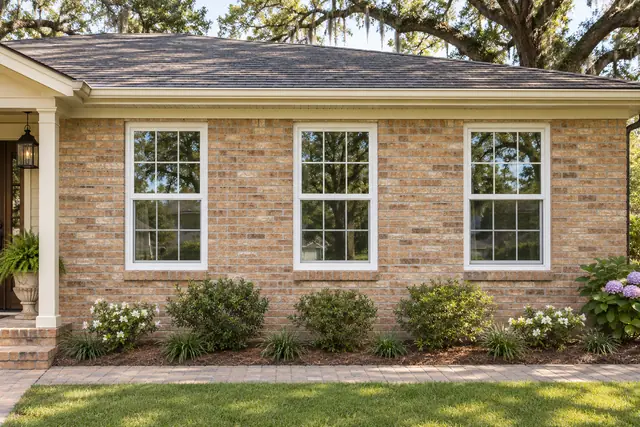
Show the wall, trim and other fixed features around the opening, including the finishes you hope to retain. A tightly cropped image of glass may leave the installation context unclear. Name any interior or exterior finish question you want the provider to address in its actual offer. A preference to keep trim is not confirmation that every existing piece can remain or that related work is included. Ask how the proposed replacement relates to the assessed opening and what is excluded. Keep any adjacent siding project identified separately so the relationship can be discussed without silently merging two different scopes or assuming an installation sequence.
Build an opening-by-opening request using the fields
Use the brief fields below to record the opening reference, requested work, retained finishes and unanswered selection questions. Repeat the entry for each affected location. If one bedroom opening is only an optional later idea, mark it that way rather than mixing it into the main replacement count. Leave unknown dimensions or product details blank until the appropriate information is established. The record is a communication tool, not an instruction to order products from owner estimates. Keep the current brief dated and use the same opening references in the photographs, messages and actual offer so a choice for one location does not migrate to another.
Your working record fields
- Property and brief date
- Address, current request date and household contact.
- Opening reference
- Room and recognizable exterior location.
- Requested work
- Replacement discussion, optional location or unresolved boundary.
- Current observation
- Plain description and date, without a diagnosis.
- Retained finishes
- Interior and exterior features you hope to keep.
- Selection question
- Operating style, finish or actual product information needed.
- Photo and document references
- Matching views and any earlier source record.
Ask about specific proposed products and selections
Accent’s current window service information describes vinyl replacement options and style discussions. For the actual project, ask which product, operating style, frame finish and other relevant selections are proposed for each opening. Keep those details tied to the offered work and its documentation. A broad label such as replacement window does not identify every feature, performance value or installation term. Do not assume a particular energy saving, sound result or other outcome from a general image. If product-label information matters to your decision, ask for the exact applicable source. Record preferences as preferences until the provider and household have resolved the actual selection.
Connect household questions to the identified work
Tell the contact which rooms and ordinary routes are associated with the affected openings and identify practical questions that need discussion. Keep household availability and preparation preferences separate from confirmed instructions for the offered project. The project-preparation guide becomes useful when the scope and affected areas are clear. If the request changes, identify the opening and the current offer version before asking how the change should be handled. This brief should not invent a work sequence, access arrangement or response promise. Its job is to make the actual question easy to locate and to keep the provider and household using the same current request.
Use the brief to check the next document
When an actual offer is supplied, compare its locations with the openings you asked to discuss. Identify any selection still open, optional area treated differently or surrounding finish that needs clarification. Keep the full offer alongside the brief instead of rewriting it as though your summary came from the provider. Ask Accent what assessment or information is needed for unresolved points and confirm which work is actually being proposed. Retain meaningful earlier versions with their dates. If work proceeds, the handover guide can help organize the product and care information actually supplied, using the same opening references that made the first enquiry understandable.
GOOD QUESTIONS. CLEAR ANSWERS.
Your window project brief questions.
Use these answers alongside the assessed conditions and choices for your own property.
YOUR PROJECT · YOUR NEXT STEP
Ready to compare replacement windows?
Share your project and city or ZIP. Accent can discuss the existing space, your priorities and the details needed for an estimate.
- Share your project
A short request. Phone or email. No account needed.
- Review scope and estimate
Discuss the assessed work, materials, preparation and exclusions.
- Approve and plan the work
Confirm the agreed scope and installation arrangements with Accent.
Your request starts a conversation. You approve the work before installation.
