
ACCENT HOME IMPROVEMENTS
A fresh season. A useful brief. Give your spring project a clear starting point.
A spring exterior idea becomes easier to discuss when the property area, desired change and open selections are clear. You may be considering siding, windows, gutters or a patio cover, but a season alone does not define the work. Use this guide to move from a general spring goal to a focused enquiry for Accent Home Improvements in Greater New Orleans, with the current house and your actual priorities in view.
Name the result you want to discuss
Begin with one specific project goal rather than a list of everything that could change around the house. Perhaps you want to discuss the appearance of a siding area beside retained brick, a patio cover for an identified outdoor space or replacement questions for particular windows. Explain why the area matters to your household and what you would like to understand next. A preferred spring use date belongs in the brief, but keep it separate from a confirmed schedule. The initial goal is to help the provider understand the enquiry and determine what further information or assessment is needed before an actual scope can be offered.
Show the current house as well as the desired look
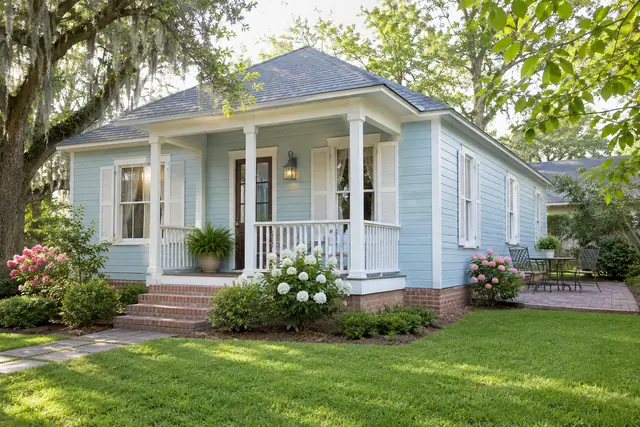
Take ordinary photographs that show the affected area and its relationship to neighboring features. Include retained brick, trim, roof edges, doors or windows where they help explain the layout. Keep close-ups with a wider view so the provider can tell where each detail belongs. If you have inspiration images, label them as appearance references from another property rather than a picture of the work being requested. Note what you like about the reference: a quieter color relationship, a particular visual proportion or the way a patio area connects to the house. Those preferences can guide questions without establishing product suitability or an assessed design.
Resolve the decisions that belong to the household
Before comparing several options, identify who will return the household’s selections and which preferences are still open. Record the existing features you want to retain and the alternatives you would consider. Avoid making a favorite color or online product name sound like a completed selection when its exact details have not been reviewed. If the project involves more than one person, gather the important questions into one current list. The provider can then respond to the same brief. This preparation does not require a finished design; it creates a useful boundary between household preferences and technical questions that still need the actual property and proposed work in view.
Treat observations as questions for assessment
A spring planning walk may draw attention to a mark, a changed finish or an exterior feature you no longer like. Record the location and what you can see without assuming the cause or remedy. Previous care or repair documents may help explain the history, so keep them with the relevant photograph. Do not turn a visible concern into a full-house replacement requirement before assessment. Ask which questions can be addressed through Accent’s offered services and which may need another provider. If a separate unresolved condition affects the project area, identify it clearly so that an attractive appearance preference does not hide an important scope question.
Compare a first phase with the wider idea
If you are considering several exterior changes, distinguish the first enquiry from a possible later project. A siding discussion and a patio-cover idea may involve nearby parts of the house without belonging to one agreed scope. Identify any relationship you want the provider to consider, such as retained finishes or an adjoining doorway, and ask what information is needed. Keep future ideas as a separate list. This helps the actual offer remain understandable and avoids treating every item in an inspiration folder as included work. If alternatives are offered, compare the stated locations, selections and exclusions rather than using a single total as the whole comparison.
Ask what makes the enquiry ready for an offer
Once your goal and locations are clear, ask what further assessment, dimensions, product choices or documents are needed for the actual work being considered. Use the provider’s response to update the brief. Owner estimates and preliminary ideas should stay labeled as such until the appropriate details are established. For a patio enquiry, explain the outdoor area and adjacent building features; for siding, identify the affected elevations and retained materials. Other service questions should be equally specific. The useful next step depends on the actual property and offered service. A complete-looking folder is less important than a concise brief that shows what remains unknown.
Patios →
Keep requested timing honest and visible
Explain whether your interest in spring is about household availability, a planned use of the outdoor area or a general preference for moving the project forward. Ask about the process for discussing an actual schedule once the scope and selections are clear. Do not announce a work date to others based on a preferred season or an early enquiry. If your availability changes, send the update to the designated contact and keep it with the current documents. This approach lets timing be discussed alongside the real project requirements without turning an aspiration into a promise or assuming that every exterior service follows the same timetable.
Bring Accent the next useful set of questions
Prepare a short message with the property location, service interest, desired change and a few matching photographs. Identify current choices and questions that still need a provider response. Ask whether the work fits Accent’s current services and what assessment or documentation should come next. Keep the current offer separate from inspiration material as the conversation develops. When a decision changes, update the brief and retain the earlier version with its date. You can then evaluate the actual proposed work against the goal that started the enquiry, while recognizing any additional questions that require a different service or more information before proceeding.
GOOD QUESTIONS. CLEAR ANSWERS.
Your spring project questions.
Use these answers alongside the assessed conditions and choices for your own property.
YOUR PROJECT · YOUR NEXT STEP
Turn your project ideas into a clear next step.
Share your project and city or ZIP. Accent can discuss the existing space, your priorities and the details needed for an estimate.
- Share your project
A short request. Phone or email. No account needed.
- Review scope and estimate
Discuss the assessed work, materials, preparation and exclusions.
- Approve and plan the work
Confirm the agreed scope and installation arrangements with Accent.
Your request starts a conversation. You approve the work before installation.
