
ACCENT HOME IMPROVEMENTS
A home that fits your day. Start with the routines you want to support.
Household needs change: a room gets used differently, an entrance becomes the everyday route, or outdoor time shifts to another part of the patio. A useful exterior brief begins with those specific routines. Before discussing a window, patio cover or related exterior project with Accent Home Improvements, describe what happens at the house today and what you would like to make easier. Keep preferences, practical questions and assessed work clearly connected.
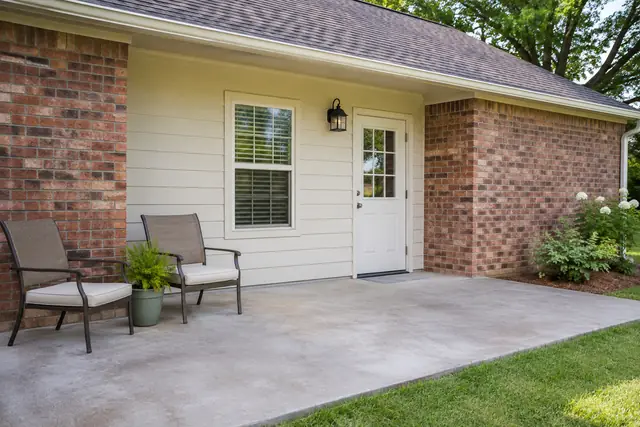
Describe an ordinary day at the house
Start with the doors, rooms and outdoor areas your household actually uses. Note which entrance is used most, where people carry everyday items and when the patio is occupied. Explain the change that prompted the enquiry without sharing private health information that is unnecessary for a project conversation. A clear example is more useful than a broad request to make the whole house easier: the back door now serves the main outdoor seating area, or a bedroom window is beside a newly used desk. These notes establish your preferences and questions. They do not determine a technical solution or prove that a particular product is suitable.
Map the areas that matter to the new routine
Take a few ordinary exterior photographs and label the relevant door, window or patio area on copies. Include nearby fixed features that help explain the relationship, such as retained brick, an adjoining wall or the edge of an existing cover. Do not guess concealed conditions or add unsupported measurements to make the brief look complete. If a dimension matters, ask how it should be established for the actual project. Record what needs to stay usable during the planning discussion. This simple location map helps Accent connect the household goal to a real part of the building before discussing possible work or product choices.
Turn a preference into a question the provider can answer
A preference such as more comfortable outdoor time needs a little context. Explain the usual time of day, where furniture sits and which doorway connects the patio to the house. For windows, describe the room’s use and the existing concern in your own words. Ask what information or assessment would be needed to consider relevant options. Avoid choosing a solution solely from a photograph of another home. The appearance may appeal to you while the layout differs substantially. Keep your desired result at the top of the brief, then let the actual offered scope explain what can be addressed and what remains outside it.
Keep personal needs separate from unverified promises
If a household member has particular movement, reach or communication preferences, describe the practical feature you want to discuss and ask who should evaluate it. Do not assume that changing an exterior product creates a compliant route, resolves a medical need or makes every part of the house suitable for a particular use. Those questions may require appropriate professional input beyond a general exterior enquiry. Keep any specialist requirements or written guidance attached to the relevant location, with its source identified. Accent’s actual offered work should be reviewed against the agreed project requirements rather than a general label applied to the entire home.
Explain what the household wants to retain
A successful brief records the familiar features that should remain in the conversation. Those might include an existing seating arrangement, a view from a room, retained brick or a frequently used door. Show their relationship in the photographs instead of sending only close-ups of the proposed replacement area. Distinguish an essential requirement from a preference that could be reconsidered after assessment. If household members disagree, collect the questions before presenting a single selection as final. The provider needs an understandable set of goals, while the household needs a record of why those goals matter and which compromises still need discussion.
Prepare for a focused window or patio discussion
For a window enquiry, identify each opening and the room it serves rather than referring to every window as interchangeable. For a patio-cover discussion, describe the outdoor area, adjoining walls and the everyday activities you hope to support. Ask which service and product details would be relevant to the actual layout. Keep product claims and performance expectations tied to the specific proposed choice and its documentation. A broad comfort goal is a starting point for questions, not evidence that one material or design will deliver a promised result. Keep unrelated specialist work separate until the appropriate provider has defined it.
Windows →
Record communication and preparation preferences early
Tell the project contact if you prefer written questions, a consolidated list of choices or a particular household contact for decisions. Record ordinary availability and any areas that need special discussion before work is arranged. These preferences are useful during enquiry, but they do not replace the provider’s confirmed preparation instructions or an agreed schedule. Once an actual scope exists, revisit the household routine with that scope in view. Ask what changes, if any, need to be planned around the affected area. Keep the response with the current offer so that preparation questions follow the real project instead of a general assumption about exterior work.
Bring the next conversation back to the household goal
Before contacting Accent, reduce the brief to the affected locations, current routine, desired change and unanswered questions. Add a small set of matching photographs and identify who will return selections. Ask what assessment is needed and whether the requested work fits Accent’s current services. Keep alternate ideas in a separate list so they do not accidentally become part of the requested scope. As the discussion develops, check that the proposed work still addresses the original use concern. A clear record makes it easier to discuss tradeoffs, retain important household preferences and recognize when another type of professional input is needed.
GOOD QUESTIONS. CLEAR ANSWERS.
Your household planning questions.
Use these answers alongside the assessed conditions and choices for your own property.
YOUR PROJECT · YOUR NEXT STEP
Turn your project ideas into a clear next step.
Share your project and city or ZIP. Accent can discuss the existing space, your priorities and the details needed for an estimate.
- Share your project
A short request. Phone or email. No account needed.
- Review scope and estimate
Discuss the assessed work, materials, preparation and exclusions.
- Approve and plan the work
Confirm the agreed scope and installation arrangements with Accent.
Your request starts a conversation. You approve the work before installation.
