
ACCENT HOME IMPROVEMENTS
Your home. Your decisions. Keep the home you use in the plan.
A useful exterior project record connects the household’s priorities to the particular work being offered. Keep the starting condition, retained features, current choices and open decisions together as your siding, window or patio conversation develops.
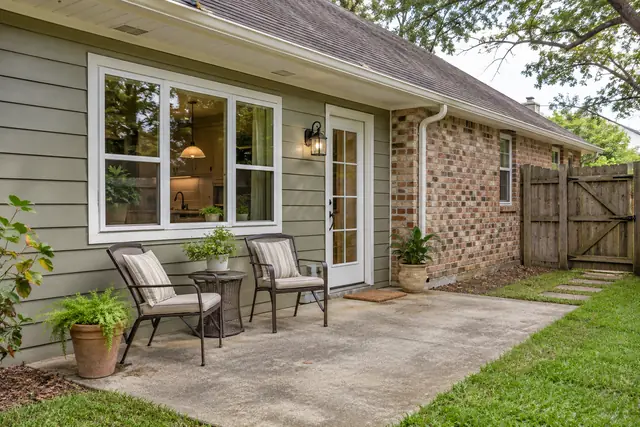
Write the household result in ordinary language.
Begin with what you want daily life at the home to look like after the project. You may want a more useful outdoor area, a clearer appearance beside retained brick or a window concern assessed. Describe the result without deciding the construction method in advance. Keep the statement short enough to revisit when choices arrive. If several household members use the area differently, record the practical needs that matter to the project rather than try to solve every preference through one broad material request. The priorities guide can help order competing goals. This homeowner record then follows the selected goal through the actual enquiry, offered option and decisions that make the particular scope understandable.
Keep one baseline of what you have now.
Choose a few dated photographs that show the affected area and its surroundings. Identify the features you intend to retain and describe visible observations separately from the improvement you want. A current window that is difficult to operate, a patio used for meals and a trim color you dislike are different pieces of information. Keep known product records with their source where they are available, and mark uncertain details as unknown. You do not need to reconstruct the home’s entire history to start. A useful baseline gives later decisions a clear reference so an appearance preference, an assessment finding and a confirmed selection do not become mixed together in memory as the same fact.
Name the people who make the household choices.
Identify the homeowner contact and anyone else who needs to review selections or discuss the proposal. Decide how a preferred color or outdoor arrangement will become a settled household choice before it is passed along as an instruction. A person helping arrange an appointment may have a different role from the person approving the work. Keep the actual roles clear in the project conversation and update them if availability changes. The record does not need unrelated private family information. It needs the contacts and decision process relevant to the work so a preliminary preference is not mistaken for an agreed selection simply because it appeared in a message from someone involved with the household.
Connect every selection to its location.
When an option is offered, write where it applies: driveway-side siding, the kitchen opening, the patio roof or another identifiable area. Keep the actual product, profile and finish information supplied for that option. A favorite sample on the table should not silently become the selection for every wall or opening. Note what remains undecided and what is intentionally retained. Use a wide property view beside the sample or reference image so the choice stays connected to the home you use. Where two materials meet, ask how the offered work describes the relationship. This keeps the household decision practical without turning a color preference or inspiration photograph into an assumed installation detail.
Review the offer against the original result.
Read the proposed work beside the household goal and location labels. Ask which included tasks address that goal and which nearby features remain outside the offer. If an option is narrower than your original idea, make the difference understandable before comparing its price with another option. Keep alternatives separate so one product description is not combined with another option’s coverage or total. The proposal-comparison guide develops that review in more detail. Your homeowner record should preserve the particular questions and settled choices for this property, giving you a clear way to explain what changed between the initial enquiry and the work you are actually considering.
Make unresolved choices visible before commitments.
A record can use simple statuses such as considering, waiting for information and confirmed. Add the date and the document or response that supports a confirmed choice. Ask Accent which decisions are needed for the next project step instead of assuming every selection must be finished at the first conversation. If a question affects a retained feature, another provider or a property review, name that dependency. A blank box is more useful than a guessed answer when the information is still missing. Keeping those items visible helps the household recognize whether it is discussing an early option, a current written offer or a choice that has actually been settled for the offered work.
Patios →
Keep later ideas separate from the current project.
A future window phase or possible enclosure may matter to the discussion without being included in today’s work. Record the idea and ask how it relates to current choices, but keep its status clear. Do not treat an attractive future arrangement as a promised outcome of the present offer. If the current scope changes, ask how the revised work and selections will be documented so everyone refers to the same version. Preserve the previous version as history and identify the current one. The aim is a household record that remains easy to follow when priorities develop, while each actual commitment still points to a specific offered scope and confirmed selection.
Move from decisions to the agreed next step.
Before moving ahead, bring the current goal, baseline views, offered scope, selection record and open questions together. Ask which assessment or project step follows and what information it requires. Use the preparation checklist when the actual work and household arrangements are being discussed; the first-estimate guide serves the earlier enquiry package. Contact Accent with the property location, service priorities and the particular decision you want help clarifying. Keep the response with the same property record. This gives the homeowner a practical reference for the improvement being considered and a clear basis for later questions, without expecting the family to supply professional construction details or infer services beyond the actual offer.
GOOD QUESTIONS. CLEAR ANSWERS.
Your homeowner planning questions.
Use these answers alongside the assessed conditions and choices for your own property.
YOUR PROJECT · YOUR NEXT STEP
Turn your project ideas into a clear next step.
Share your project and city or ZIP. Accent can discuss the existing space, your priorities and the details needed for an estimate.
- Share your project
A short request. Phone or email. No account needed.
- Review scope and estimate
Discuss the assessed work, materials, preparation and exclusions.
- Approve and plan the work
Confirm the agreed scope and installation arrangements with Accent.
Your request starts a conversation. You approve the work before installation.
