
ACCENT HOME IMPROVEMENTS
Small exterior projects. Give a small project a clear boundary.
One wall, one doorway or one useful patio area can still need a complete plan. Define the change you want and the existing features you expect to keep before asking Accent to assess the scope.
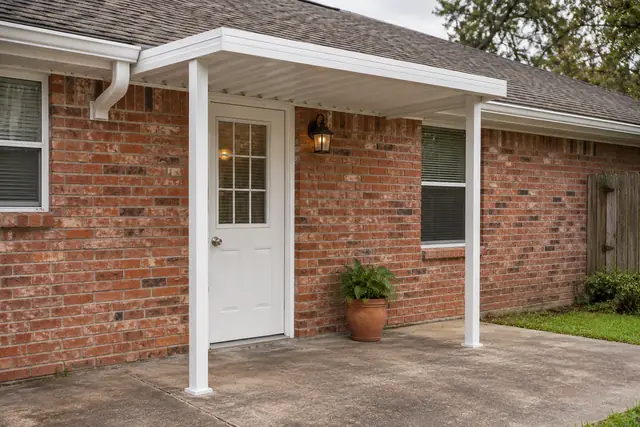
Name the one result you want first.
A small enquiry becomes easier to assess when the household can name the result in one sentence. You might want to update the siding on a specific area, discuss a cover for the patio spot you use most or understand an exterior change beside one doorway. State the place and purpose together. “Make the chair area more useful after work” provides different information from “do something with the back of the house.” If several ideas compete for attention, choose the first assessment question and keep the others on a separate wish list. The word small describes the requested boundary, not a guaranteed price or a promise that every property condition is simple. A clear goal gives the conversation something concrete to assess.
Draw the edge of the requested work.
Use a wide photograph to mark the particular wall, opening or outdoor area involved. Show where the requested work would stop and which surrounding features you expect to retain. Label nearby windows, doors, brick, roof edges, gutters and existing covers where they explain the boundary. If you cannot tell where one component ends, mark the point as a question. The assessment can clarify whether the requested boundary makes sense for the offered work. Do not crop the photograph so closely that the context disappears. A limited enquiry still needs enough information to explain how new and retained areas meet. Keeping the boundary visible also makes it easier to recognize when a later request would expand the scope beyond the original small project.
Distinguish a preferred look from the condition question.
Tell Accent whether the first concern is appearance, use or a visible existing condition. A color preference, a wish for shelter and a concern about a wall edge can lead to different assessment questions even when they involve the same small area. Photograph the actual condition and describe what you see without assigning a cause from the image alone. Bring an inspiration photograph if it explains a finish or arrangement you enjoy, identifying the feature you want considered. Avoid treating the reference as proof that the same product, connection or amount of work fits your home. The useful brief keeps the household aim and the current property facts together so the offered options can be discussed against both.
Look at the interfaces that give the scope its shape.
A short wall section may meet a window, retained corner trim and brick. A modest cover may sit beside a door, roof edge and existing slab. Identify those interfaces even if you expect the surrounding items to remain untouched. Ask which connections need assessment and which related items appear in the offered scope. The purpose is not to enlarge every small job; it is to make the requested work understandable as a complete arrangement. If the assessment identifies a question outside the initial boundary, ask for the reason and the alternatives available. Keep that explanation with the original marked photograph. This lets the household compare a clarified limited option with any wider offer without assuming that the two descriptions contain the same work.
Keep the retained appearance in the conversation.
Photograph the existing colors, profiles and finishes that matter beside the proposed change. State which parts you particularly want to keep. If matching is important, ask about the actual offered product and the relationship to the retained material. A sample or an image on a phone can help communicate preference but does not establish a perfect match on an older exterior. Keep selection information tied to the particular option under review. If a deliberate contrast is acceptable, explain that too; the household may prefer a clearly considered small change over an assumption of identical appearance. The decision should use the assessed property and current offered choices, with any unresolved matching question visible before the scope is treated as settled.
Ask what a complete offer includes.
Read the proposed work from the first included item to the completion boundary. Identify the materials, affected area, retained items and exclusions described. Ask how the interfaces discussed during assessment appear in the written offer. If preparation, disposal, a related surface, a fixture or another item was mentioned, confirm whether it is included or separately addressed. Do not infer an inclusion from the small size of the enquiry or a friendly conversation about possibilities. The scope-exclusions guide can help organize those questions. Keep your marked photograph alongside the offer so the household can point to the exact place needing clarification. A complete small-project description should make the boundary easier to understand, even if the assessment changes the original idea.
Patios →
Compare alternatives without assuming the lowest scope wins.
You may receive a limited option and a wider option after conditions are discussed. Compare each against the result you named, the items retained and the interfaces addressed. Ask for an explanation where the work differs, keeping price information with the particular scope it describes. Do not use this planning guide as a source of an invented minimum job price or a standard discount for a small area. Property conditions, offered work and product choices still need assessment. If the household changes its goal, update the brief so later offers use the revised request. The proposal-comparison guide can hold the side-by-side details, while this page keeps the original small-area purpose and boundary clear.
Send a focused enquiry and let the assessment clarify it.
Begin with the one-sentence result, a wide marked photograph and one detail view if it explains the condition. State the service you want discussed and identify the surrounding materials you expect to retain. Be clear about questions that remain, including whether the requested type and extent of work is offered. Select siding for a wall-area enquiry or patios for a cover-area enquiry and put the limited scope in the notes. Do not treat submission as acceptance of the job, a confirmed price or a booked date. Accent can review the request, assess relevant conditions and clarify the offered next step. Keeping the brief focused helps move the conversation toward a practical scope without losing the small, useful result the household wanted.
GOOD QUESTIONS. CLEAR ANSWERS.
Your small exterior projects questions.
Use these answers alongside the assessed conditions and choices for your own property.
YOUR PROJECT · YOUR NEXT STEP
Turn your project ideas into a clear next step.
Share your project and city or ZIP. Accent can discuss the existing space, your priorities and the details needed for an estimate.
- Share your project
A short request. Phone or email. No account needed.
- Review scope and estimate
Discuss the assessed work, materials, preparation and exclusions.
- Approve and plan the work
Confirm the agreed scope and installation arrangements with Accent.
Your request starts a conversation. You approve the work before installation.
