
ACCENT · WESTWEGO SERVICE AREA
Westwego roofing.
A roof decision with actual products, preparation and retained interfaces clearly explained.
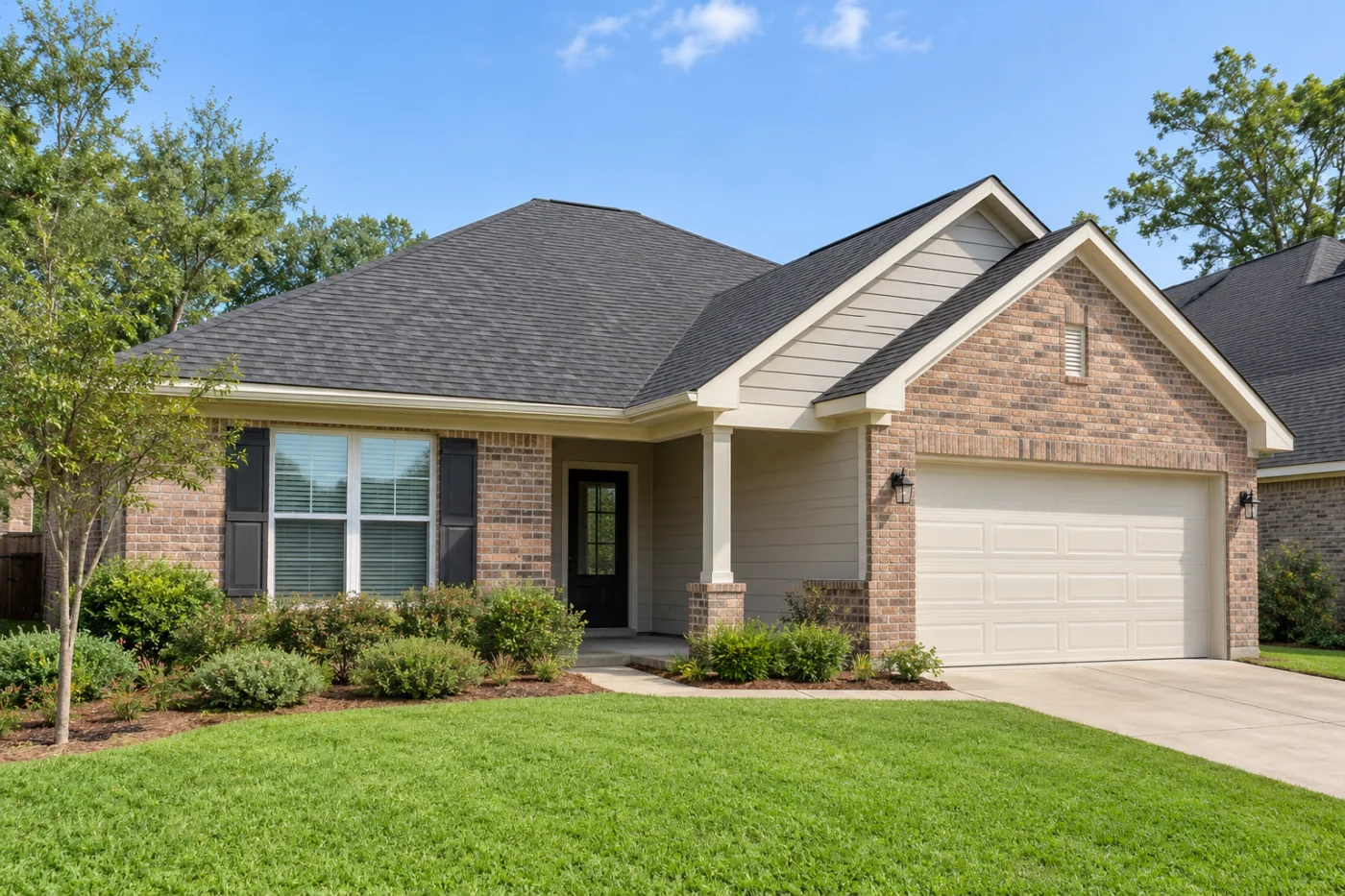
The covering considered with actual roof sections and retained interfaces.
Make the scope specific to the roof being assessed.
For roofing at a Westwego home, explain the observation, known history or connected exterior plan that prompted the enquiry. Accent can assess actual roof areas and discuss defined repair or replacement work. Safe overall views should locate the main roof, porch and adjoining sections. A useful proposal connects the selected covering with preparation and retained components. That gives the household a practical basis for comparing the installation at the property rather than depend on an estimated age, a familiar product category or a broad new-roof description to establish every responsibility and finishing boundary.
1 · PROJECT DETAILS
Locate the enquiry and share the available history.
Show the relevant main-roof, porch and adjoining areas from safe ground-level positions and explain how they meet. If the observation is indoors, identify the room, approximate location and circumstances without assuming a component directly above is responsible. Different roof sections may have different histories. Do not climb, lift materials or reproduce wet-weather conditions for the initial request. The information should locate the assessment rather than require a homeowner to diagnose concealed conditions or choose a solution before the actual areas are reviewed.
Share available invoices, product records and earlier photographs and say where dates, materials or previous work are uncertain. Mark known repair or replacement sections as accurately as the information allows. Ask how a limited intervention and wider replacement differ in included areas, preparation and retained connections. Neither should be selected automatically from age alone. A useful comparison explains what each proposal changes and what remains so similar covering descriptions or totals do not conceal different installation responsibilities at the home’s actual roof.
2 · PROJECT DETAILS
Review the system around the visible covering.

From Accent’s existing photo collection.
Ask which product and accompanying components are offered and identify removal, disposal and preparation in the agreement. Review boundaries at eaves, adjoining walls and penetrations rather than treat the visible material as the whole installation. If appearance options are discussed, compare actual selections beside retained walls and trim and record the chosen product. A familiar category does not establish every connection detail or performance characteristic. Product and workmanship information should relate to the selected work without promising a universal storm outcome or a maintenance-free future.
Agree how concealed findings after removal will be documented and approved before extra work proceeds. New covering does not imply renewal of every hidden or adjoining component. Keep optional connected improvements identifiable with a clear purpose and scope. Ask who answers later questions and which care, selected-product and applicable warranty records will be provided at completion. Accurate boundaries and a useful handover help the homeowner understand the current installation and retain information for future maintenance or another exterior project instead of relying on a general roof label.
3 · PROJECT DETAILS
Coordinate the interfaces and city review.
Show gutters, fascia, soffit, siding and covers where they meet the proposed work. Ask who handles protection, removal, reinstatement and finishing at each shared interface. Mention later exterior intentions early so a suitable sequence can be discussed while current and separate scopes stay clear. Explain driveway access, gates, planting and household routes that matter during arrangements. Actual conditions, selected products and weather should inform scheduling conversations rather than a universal completion promise that cannot account for the occupied property and assessed roof.
Provide the Westwego address and association instructions and confirm applicable city review and submission responsibilities for the precise scope. The city’s building-permit information can begin that enquiry; another roof does not establish requirements for this property. Use the estimate form with safe views, known history and connected-work priorities, or call Accent’s Westbank line. The assessment can then bring covering choices, included areas, preparation and retained interfaces into a defined proposal. Review those installation and finishing boundaries before materials and arrangements are finalized so the decision rests on an understandable scope for the roof at your home.
Explore the exterior details.
Browse Accent’s existing photo collection, then tell us which materials, proportions and outdoor features interest you.


Bring the details together.
Tell Accent what you want to change, where the home is and which connected improvements you are considering. A clear request makes the next conversation useful.
4 · PROJECT DETAILS
Compare the complete proposed roof scope.
A roofing proposal should name the selected covering and the work areas rather than rely on a general promise of a new roof. Ask which existing materials are removed, which components remain and what preparation is included. Discuss the visible roof edges, adjoining walls and penetrations that affect the scope. Product-specific details need to suit the assessed roof and selected system; one material label or a photograph cannot establish the complete installation approach.
If removal reveals a concealed concern, agree how it will be documented and brought to you for approval before additional work proceeds. Keep repairs, disposal and finishing responsibilities understandable. A replacement scope should not imply that every hidden component or adjoining wall is renewed unless stated. Compare proposals by those included responsibilities and actual products, with optional changes separated so their purpose is clear instead of hidden within a total.
5 · PROJECT DETAILS
Keep roofline connections and handover records clear.
From Accent’s existing photo collection.
Gutters, fascia, soffit and patio covers may meet the roof without automatically being part of the roofing agreement. Identify connected work during assessment and ask who handles removal, reinstatement and finishing at each boundary. An electrical or mechanical item near the roof may involve another provider. Do not assume a broad roofing description includes every attached component simply because access occurs in the same part of the house.
Retain the selected product information, agreement, change records, care guidance and applicable warranty documents at completion. Review the included roof areas and agreed interfaces, including any separate work that remains. These records help future maintenance and later exterior projects begin with an accurate account of what changed. No roof should be described as immune to all storms, leaks or future maintenance, and an image of a finished roof is not proof of a particular performance rating.
GOOD QUESTIONS. CLEAR ANSWERS.
Before you decide.
Explore the details below, then ask about the conditions and choices specific to your home.
Explore the connected work.
Make the next step a clear one.
Share your property location and priorities. Call Eastbank 504-888-4733 or Westbank 504-341-8178, or send your project request. Office visits are by appointment.
YOUR PROJECT · YOUR NEXT STEP
Get a clearer scope for your roofing project.
Share your project and city or ZIP. Accent can discuss the existing space, your priorities and the details needed for an estimate.
- Share your project
A short request. Phone or email. No account needed.
- Review scope and estimate
Discuss the assessed work, materials, preparation and exclusions.
- Approve and plan the work
Confirm the agreed scope and installation arrangements with Accent.
Your request starts a conversation. You approve the work before installation.
