
ACCENT · RESERVE SERVICE AREA
Reserve roofing.
Turn your roof’s known history and today’s concerns into a clear assessment request.
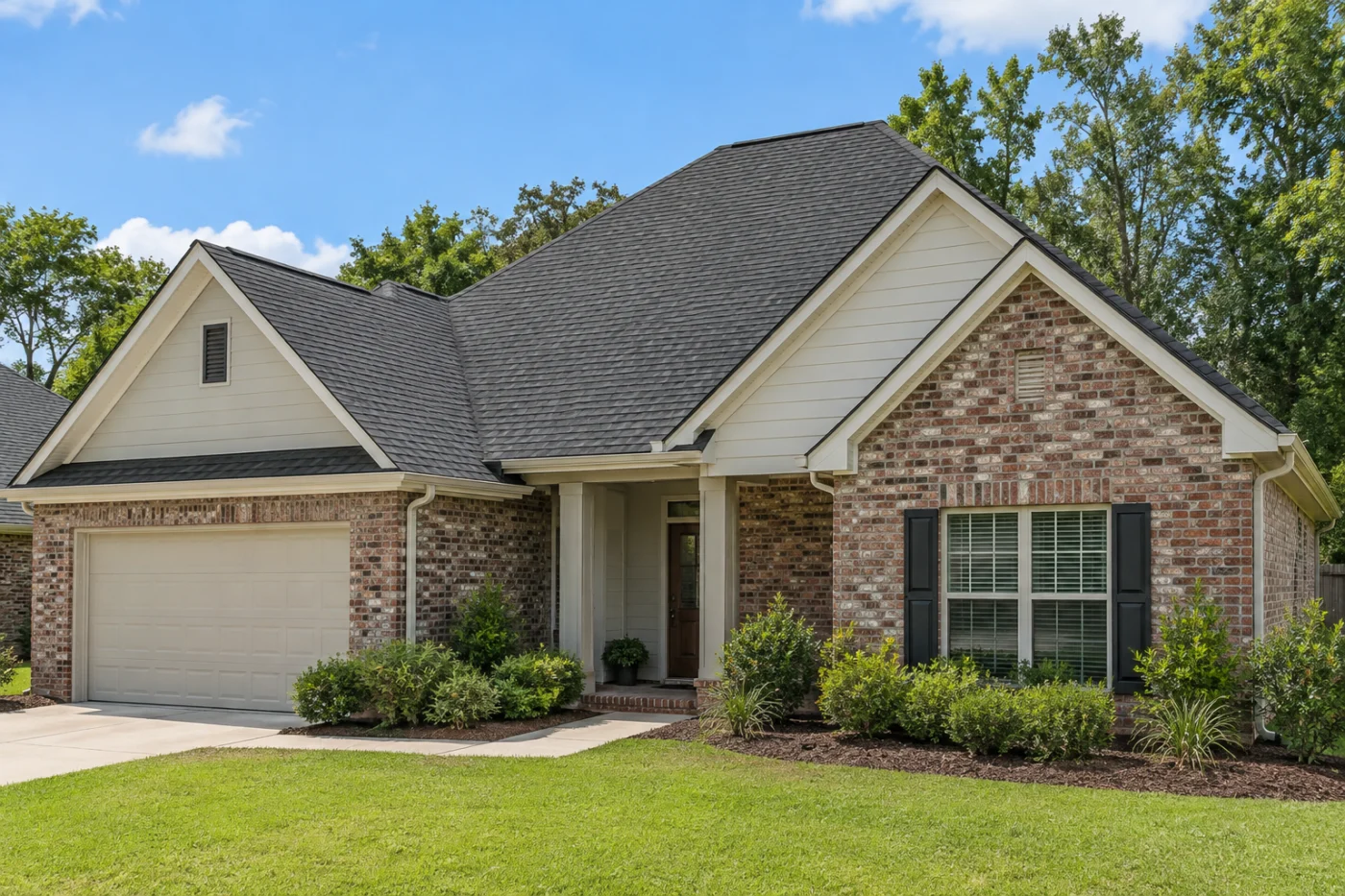
The covering considered with retained roof areas and adjoining exterior components.
Get a roof assessment grounded in your property’s record.
For a roofing enquiry in Reserve, start with the roof you have and the reason you are considering work. Perhaps a particular area concerns you, earlier repairs need review or roofing is part of a wider exterior project. Put that starting point into a short property record before comparing products. Accent can discuss an assessment of the relevant areas and a defined repair or replacement scope. Clear information helps you understand what the proposal changes, what it keeps and which decisions still need to be made for your home.
1 · PROJECT DETAILS
Give each roof section a place in the history.
Draw a simple outline identifying the main house roof, a porch, an addition and any attached covered area involved in the enquiry. Give each section a name you can use in photographs and notes. You do not need a technical roof drawing or exact installation dimensions to explain where your concern is located. A photograph from the driveway or yard may show how several sections meet. The purpose is to help the assessment follow the same areas you are describing, without asking you to climb onto the roof or inspect concealed construction.
Place available invoices, earlier estimates, dated photographs and product records beside that outline. Mark which sections each document appears to cover, and leave uncertain dates or materials identified as uncertain. If you know only that some work happened before you owned the house, say that plainly. A useful history distinguishes known work from an assumption about the whole roof’s age. It also helps the team ask better questions about retained sections and previous repairs, instead of treating every visible surface as though it had one construction date and one condition.
2 · PROJECT DETAILS
Describe the concern and compare the proposed outcomes.

From Accent’s existing photo collection.
Describe what you observed before suggesting a particular remedy. For example, note the room where an interior mark appeared, when you first noticed it and what changed after an earlier visit. If photographs were taken at different times, retain their dates and explain the viewpoint. These details locate the enquiry; they do not establish the source of the condition. Ask what assessment is needed to identify the appropriate work. A focused concern and a request for a wider roof review can both be discussed, with the proposed areas and responsibilities made clear.
When repair and replacement are presented as alternatives, ask for a separate description of each finished outcome. Identify the sections covered, preparation, removed materials and the boundaries with construction that will remain. Ask what questions are still unresolved and when those decisions can be made. This gives you a practical comparison between the work actually proposed, rather than a choice based on a short label or a photograph. Keep an optional improvement separate from included work so you can see what changes when an option is accepted or left out.
3 · PROJECT DETAILS
Bring connected work into the first conversation.
Discuss how the roof work fits the rest of the property. Gutters, fascia, soffit, wall finishes and an attached cover may meet an area being considered, but they need named responsibilities in the plan. Explain any other exterior projects already being arranged and identify their contacts. Ask which surfaces need protection or temporary access and who handles the agreed finishing work. Share driveway, gate and household access needs before scheduling. A roof assessment is more useful when the team can see the relevant connections and practical arrangements together.
Send the Reserve address with your roof outline, safe photographs and the history you have gathered. Include association documents or other project records already available, and ask who confirms any applicable review and submission steps. Use the project form or call Accent’s Eastbank number to discuss the assessment and information needed next. An office meeting is arranged by appointment. You can begin with incomplete records, provided the gaps are identified; the initial conversation should help organize the next step rather than depend on a homeowner supplying a complete diagnosis.
Explore the exterior details.
Browse Accent’s existing photo collection, then tell us which materials, proportions and outdoor features interest you.


Bring the details together.
Tell Accent what you want to change, where the home is and which connected improvements you are considering. A clear request makes the next conversation useful.
4 · PROJECT DETAILS
Match the estimate to the areas of your home.
Read the estimate alongside the property record you prepared. Can you identify the same roof sections in both? Look for the actual selected products, included preparation, removal and disposal, plus the treatment at edges, adjoining walls and penetrations. Ask how those items relate to retained construction. If a product or finish is still a choice, keep its status visible in the documents. The proposal becomes easier to review when the materials and work areas can be matched to the house instead of being described only by a general new-roof heading.
Use the roofing service overview for the broader enquiry and the roof repair assessment page when you want to discuss a defined concern. Bring both questions into the Reserve assessment if you are considering alternatives. Ask how findings during removal will be recorded, explained and approved, and how an accepted change will update the current scope. Written changes should identify the affected work and any revised arrangements. Keep the original proposal and accepted updates together so the final record shows what was actually agreed.
5 · PROJECT DETAILS
Leave with a record you can use later.
From Accent’s existing photo collection.
At completion, review the included areas using the same names that appeared in your first roof outline. Ask about any agreed finish items, adjustments or separate work still to follow. Collect the actual product information, applicable written terms and the contact for later questions. A safe set of completed-work photographs can help connect the documents to the installed areas. You should be able to describe the work to a future service provider without relying on a general recollection that the roof was done at some point.
Keep that record when another exterior project is planned. A later gutter, siding or cover enquiry can then start with the installed roof information and its known connections. Explain the new work before anyone assumes that an existing component can simply be removed, reused or altered. Follow the care information supplied for the selected products and ask the appropriate contact about unfamiliar procedures. The value of the handover file is clarity about the work delivered and how to ask informed questions afterward, rather than a promise that any roof will never need attention.
GOOD QUESTIONS. CLEAR ANSWERS.
Before you decide.
Explore the details below, then ask about the conditions and choices specific to your home.
Explore the connected work.
Make the next step a clear one.
Share your property location and priorities. Call Eastbank 504-888-4733 or Westbank 504-341-8178, or send your project request. Office visits are by appointment.
YOUR PROJECT · YOUR NEXT STEP
Get a clearer scope for your roofing project.
Share your project and city or ZIP. Accent can discuss the existing space, your priorities and the details needed for an estimate.
- Share your project
A short request. Phone or email. No account needed.
- Review scope and estimate
Discuss the assessed work, materials, preparation and exclusions.
- Approve and plan the work
Confirm the agreed scope and installation arrangements with Accent.
Your request starts a conversation. You approve the work before installation.
