
ACCENT · MANDEVILLE SERVICE AREA
Mandeville roofing.
Bring the roof, its connections and the next decision into focus.
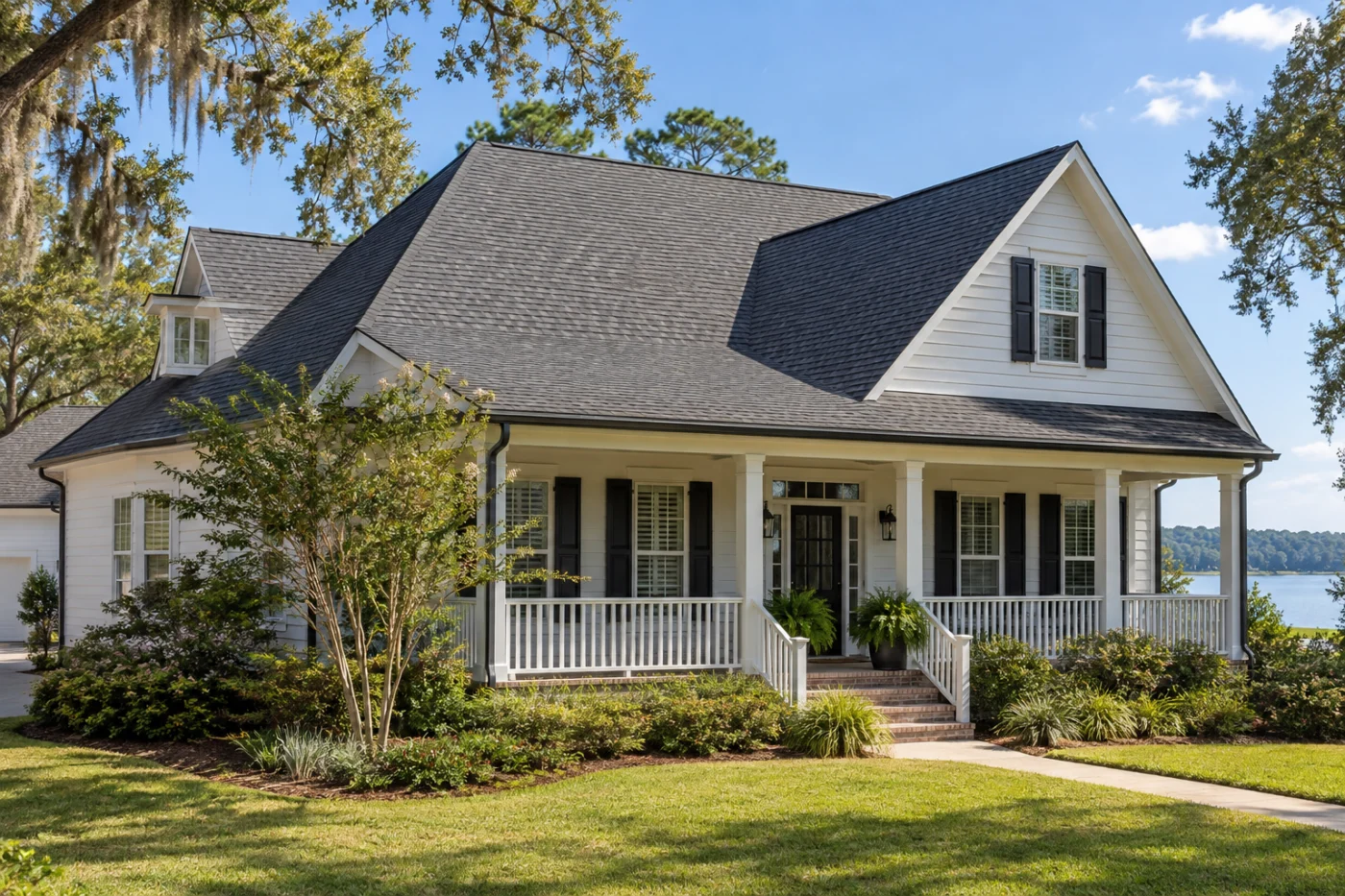
Roof slopes, edges and porch connections shown together for planning.
Start with what you have observed.
A roofing enquiry for a Mandeville home does not have to begin with a homeowner’s diagnosis. Tell Accent what you have noticed, where it appears and whether earlier work or another exterior project may be relevant. Safe photographs and available records help give the conversation context. The roof itself still needs assessment before repair or replacement responsibilities can be defined. The useful outcome is a proposal that explains the included areas, products and connections so you can decide how the work relates to the home you intend to keep, improve or prepare for its next owner.
1 · PROJECT DETAILS
Keep the observation separate from the proposed solution.
If the concern is indoors, identify the room and the location without assuming the roof component directly above it is necessarily the cause. If it is visible outside, send a broad ground-level photograph as well as any safe detail already available. Describe when you first noticed the change and what previous work you know about. Avoid climbing to gather more evidence for an estimate. The initial information should help arrange an appropriate assessment, not encourage you to enter an unsafe area or make a diagnosis from a distance.
Bring earlier invoices, product information or photographs if you have them. These records can explain which areas were changed previously, but they should not be treated as proof that every retained part is suitable now. If several roof sections were completed at different times, identify them as clearly as you can. Ask how the proposed work area will be distinguished from the sections remaining in place. That boundary matters when comparing a limited repair with a broader replacement and when understanding what the new agreement actually covers.
2 · PROJECT DETAILS
Read the roof edge as part of the whole exterior.

From Accent’s existing photo collection.
Gutters, fascia, siding and patio attachments can meet the same roofline. Show these connections during the enquiry, particularly if another service is already planned. Ask whether an attached structure must be addressed, protected or handled by a different provider while the proposed roof work takes place. A general roofing total should not leave you guessing about removal and reinstatement at an adjacent cover. Each connected component needs an understood responsibility even when it remains outside the roofing contract.
Discuss access from the street to the work areas and identify driveways, gates, landscaped beds and outdoor spaces that must stay usable where possible. Mention occupants, pets and any appointment constraints before scheduling is finalized. These details help establish practical arrangements for the household and the proposed work. They do not establish an identical duration for every property. Ask how product arrangements, weather and findings during removal will be communicated rather than relying on a universal completion promise that ignores the actual scope.
3 · PROJECT DETAILS
Compare the work you will receive and the records you will keep.
When proposals arrive, compare the selected covering, included areas, preparation, removal, disposal and finishing details. Ask what happens if concealed deterioration becomes visible and who authorizes additional work. Optional connected items should be identifiable rather than buried in a broad roof replacement description. If you want a particular appearance, look at the proposed finish alongside the retained siding, brick and trim. A product image can help with selection, but it does not establish every installation detail or a guarantee against all future weather and maintenance.
Provide the Mandeville property address and any association instructions so approval responsibilities can be checked for the actual location and project. A nearby installation is not a substitute for that review. At handover, keep the agreement, approved changes, product information and applicable warranty documents together. These records become useful when another exterior project later meets the roofline. To begin, use the project form with safe photographs and your observations, or call Accent’s Eastbank line to discuss the next assessment step and current availability.
Explore the exterior details.
Browse Accent’s existing photo collection, then tell us which materials, proportions and outdoor features interest you.


Bring the details together.
Tell Accent what you want to change, where the home is and which connected improvements you are considering. A clear request makes the next conversation useful.
4 · PROJECT DETAILS
Compare the complete proposed roof scope.
A roofing proposal should name the selected covering and the work areas rather than rely on a general promise of a new roof. Ask which existing materials are removed, which components remain and what preparation is included. Discuss the visible roof edges, adjoining walls and penetrations that affect the scope. Product-specific details need to suit the assessed roof and selected system; one material label or a photograph cannot establish the complete installation approach.
If removal reveals a concealed concern, agree how it will be documented and brought to you for approval before additional work proceeds. Keep repairs, disposal and finishing responsibilities understandable. A replacement scope should not imply that every hidden component or adjoining wall is renewed unless stated. Compare proposals by those included responsibilities and actual products, with optional changes separated so their purpose is clear instead of hidden within a total.
5 · PROJECT DETAILS
Keep roofline connections and handover records clear.
From Accent’s existing photo collection.
Gutters, fascia, soffit and patio covers may meet the roof without automatically being part of the roofing agreement. Identify connected work during assessment and ask who handles removal, reinstatement and finishing at each boundary. An electrical or mechanical item near the roof may involve another provider. Do not assume a broad roofing description includes every attached component simply because access occurs in the same part of the house.
Retain the selected product information, agreement, change records, care guidance and applicable warranty documents at completion. Review the included roof areas and agreed interfaces, including any separate work that remains. These records help future maintenance and later exterior projects begin with an accurate account of what changed. No roof should be described as immune to all storms, leaks or future maintenance, and an image of a finished roof is not proof of a particular performance rating.
GOOD QUESTIONS. CLEAR ANSWERS.
Before you decide.
Explore the details below, then ask about the conditions and choices specific to your home.
Explore the connected work.
Make the next step a clear one.
Share your property location and priorities. Call Eastbank 504-888-4733 or Westbank 504-341-8178, or send your project request. Office visits are by appointment.
YOUR PROJECT · YOUR NEXT STEP
Get a clearer scope for your roofing project.
Share your project and city or ZIP. Accent can discuss the existing space, your priorities and the details needed for an estimate.
- Share your project
A short request. Phone or email. No account needed.
- Review scope and estimate
Discuss the assessed work, materials, preparation and exclusions.
- Approve and plan the work
Confirm the agreed scope and installation arrangements with Accent.
Your request starts a conversation. You approve the work before installation.
