
HOMEOWNER PLANNING GUIDE
Keep siding maintenance focused.
Siding maintenance begins with observation, product information and the connections around the wall. Keep a simple record of changes so you can discuss a focused repair or a broader replacement with useful context.
Before you decide
Details worth discussing before work begins.
Make a wall-by-wall record
Take a wide photograph of every exterior elevation and closer pictures of visible changes. Note the date, recent weather and whether a concern is new or recurring. Identify the location in ordinary language, such as the wall beside the driveway or the corner near the patio door. This is more useful than a collection of unlabeled close-ups. Repeated photographs from the same viewpoint can help show how a condition has changed. Avoid climbing or removing material simply to create the record.
Find the product information you already have
Check old invoices, product labels, warranty documents and records from earlier work. A surface that looks similar in photographs may have different maintenance instructions, finish requirements or repair options. Share what you know and clearly separate confirmed information from guesses. Ask the team to identify the material before choosing a cleaning or repair approach. Following the selected manufacturer's instructions matters more than treating every exterior wall as the same product. Keep the instructions with the rest of the property's maintenance documents.
Look beyond the middle of the panel
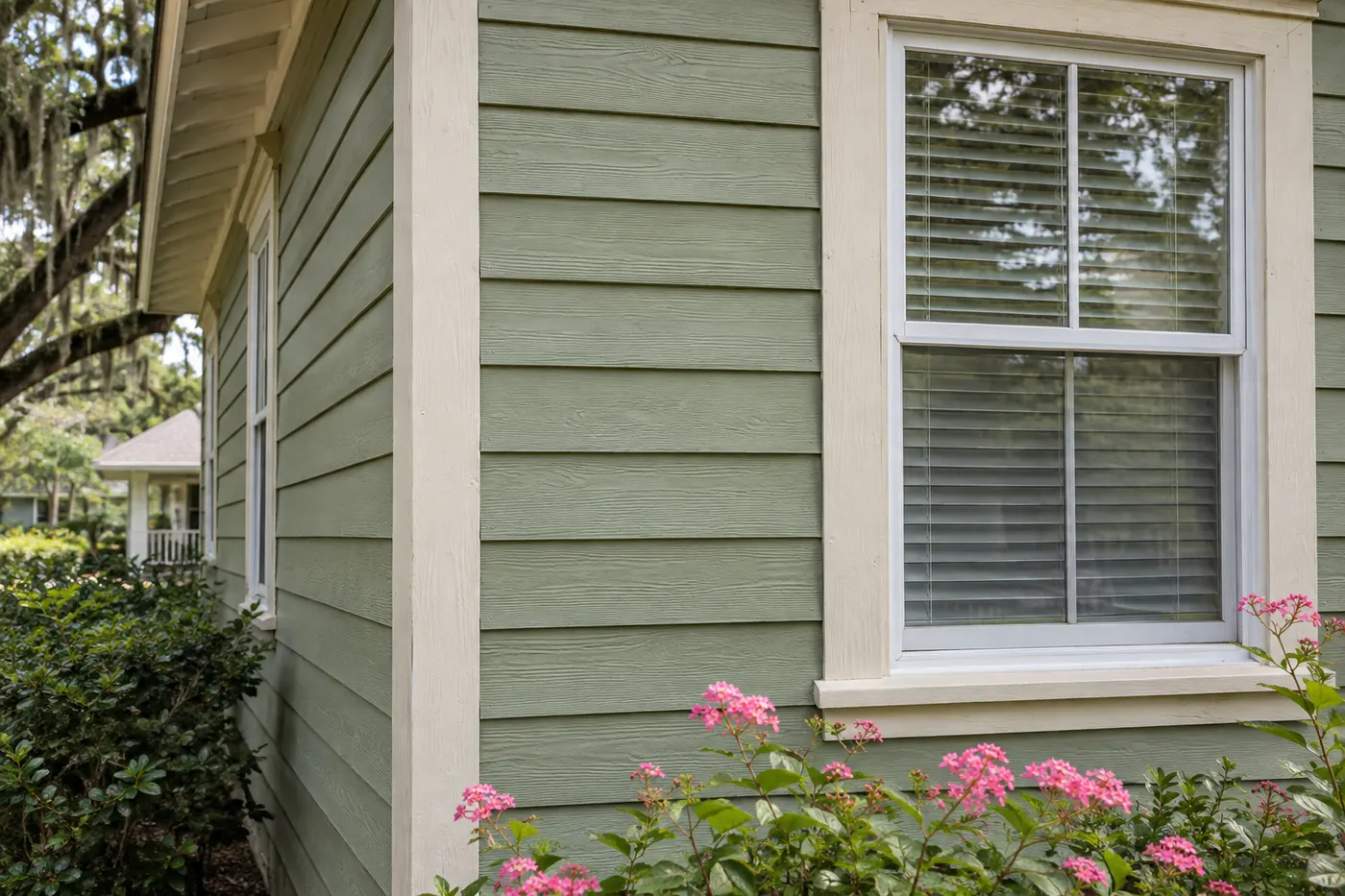
Photograph the corners, window surrounds, lower edges, soffit and fascia along with the affected wall. Exterior concerns often involve a transition or opening rather than only the field of siding. Describe staining, gaps or visible changes without assigning a cause from appearance alone. Ask whether the assessment should include the adjoining trim or water-management details. A focused repair discussion should explain how the repaired area meets the existing surface and whether the surrounding conditions also need attention.
Bring your priorities. We’ll talk through the options.
Tell Accent your city or ZIP code, the part of the exterior you want to improve and the best way to reach you. A few labeled photographs help explain the starting point.
Take a closer look
Details worth discussing before work begins.
Ask what a repair would actually include
Request a description of the affected area, removal, preparation, matching material and finish work. Ask what can be assessed before removal and what may become visible only after the wall is opened. Clarify how additional findings would be communicated and priced. Repair can be a sensible option in some circumstances, but a photograph alone cannot establish that it will address every cause. Compare the proposed repair with replacement using the condition, product availability and whole-wall appearance rather than the smallest quoted total alone.
Review color and replacement matching
Age, sunlight and previous repairs can change how an existing finish looks beside a new component. Ask whether the original profile and color remain available and what a localized replacement may look like. View physical samples in the location where the work will be installed. Keep matching expectations in the written discussion. A material with the right name may not produce an invisible patch, so consider whether a wider planned area would create a more consistent result for the property.
Use maintenance records to plan the next step
Keep the photographs, assessment notes, product information and agreed work together. Record what was changed and which surrounding areas were reviewed. If a similar concern returns, refer to that record when contacting the team instead of treating it as a completely new question. Ask for the appropriate maintenance guidance for the installed product and finish. The aim is a useful, repeatable way to watch the exterior and make decisions, without promising that a generic checklist can diagnose every wall condition or prevent every future repair.
Explore the details in Accent’s photo collection.



Good questions. Clear answers.
A little clarity before you decide.
Open a question for a straightforward answer. For advice about your own home, tell us what you want to change and where the property is.
Prefer a conversation?
Eastbank 504-888-4733
Westbank 504-341-8178
Choose the finish and the system together
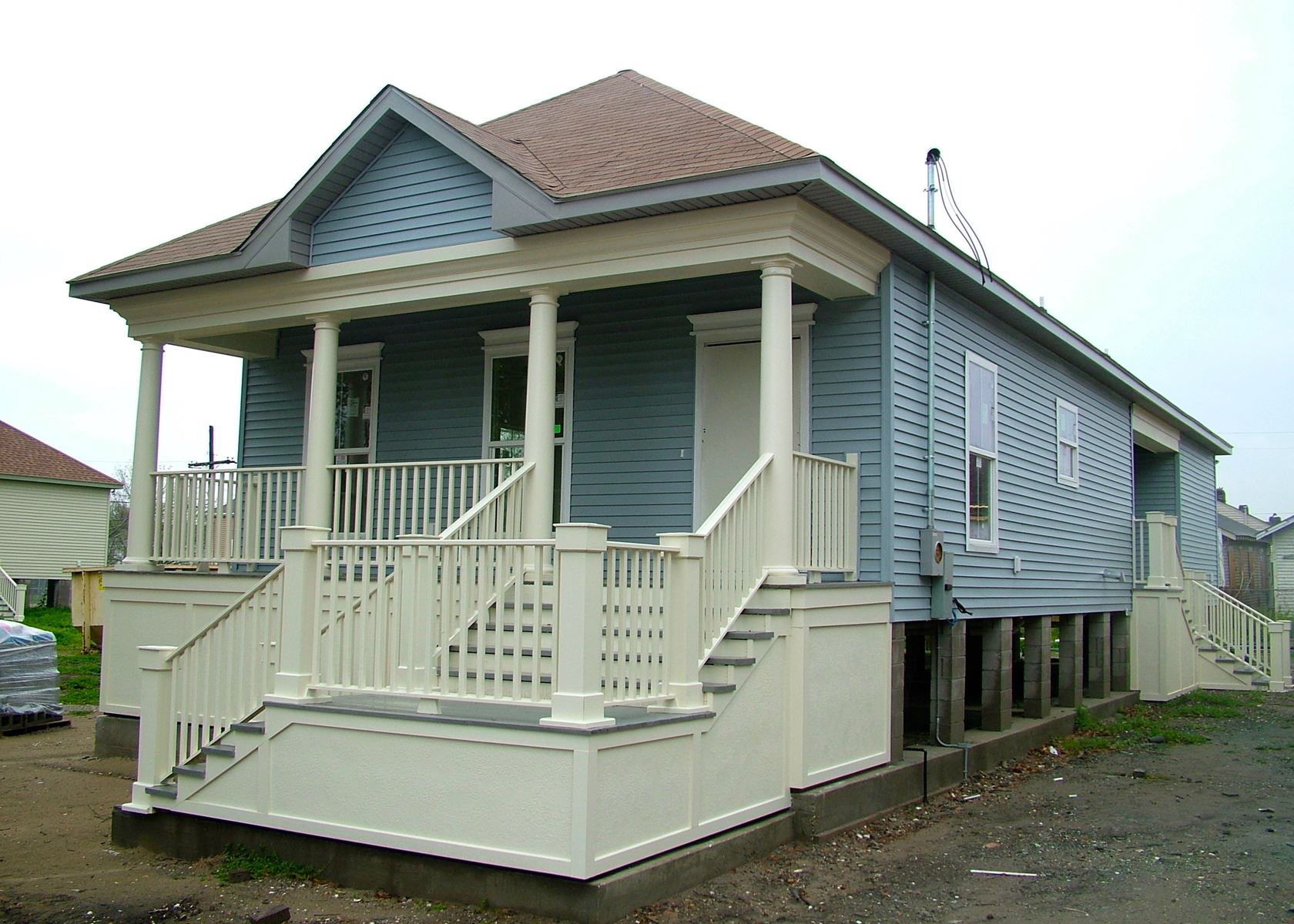
Siding gives a house its character, but the finished wall also includes the pieces you notice less: starter details, corners, window trim, soffit and fascia. Begin with the elevations that need work and the appearance you want to keep. A sample looks different in full daylight than it does on a screen, so compare colors beside the roof, brick and existing windows. Vinyl and fiber-cement siding have different handling, fastening and maintenance requirements. Ask which exact product is proposed, which accessories go with it and whether the finish is factory applied or completed on site. A proposal should describe the entire wall assembly rather than leave the trim as an undefined allowance.
YOUR PROJECT · YOUR NEXT STEP
Ready for new siding?
Share your project and city or ZIP. Accent can discuss the existing space, your priorities and the details needed for an estimate.
- Share your project
A short request. Phone or email. No account needed.
- Review scope and estimate
Discuss the assessed work, materials, preparation and exclusions.
- Approve and plan the work
Confirm the agreed scope and installation arrangements with Accent.
Your request starts a conversation. You approve the work before installation.
