
ACCENT HOME IMPROVEMENTS
A calm-day record. A clearer file. Prepare the information your home may need.
Hurricane-season exterior planning includes keeping useful property and project information together before it is difficult to find. Baseline photographs, current work documents and named contacts can help you describe the house accurately. This guide focuses on that record file and on unresolved exterior project questions for Accent Home Improvements. Follow current official safety and emergency instructions separately; an organized folder is not a storm-protection measure or a promise about product performance.
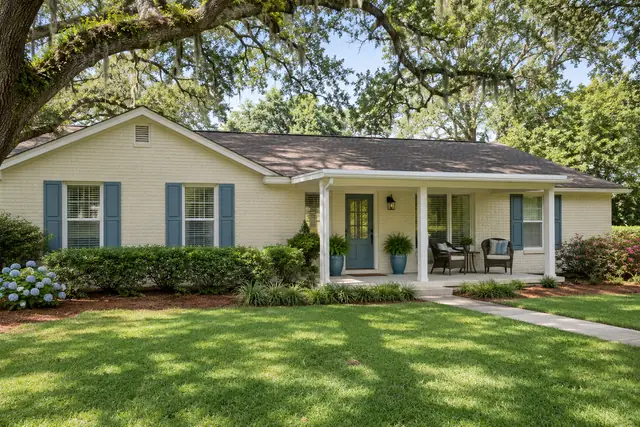
Build a calm-day reference for the actual house
Use ordinary conditions to organize photographs of the exterior areas relevant to your records. Give each view a date and a recognizable location, such as the rear patio wall or the window beside a particular entrance. Include a wider view with any useful detail image. Preserve the original files and place arrows or labels only on copies. This baseline describes what the photographs show when they were taken; it does not certify the condition of hidden materials or establish how a product will perform in a storm. Keep it separate from representative marketing images and from photographs of work at another property.
Follow official preparedness and safety information
NOAA’s hurricane-season preparation resource includes organizing important information and property documentation before an event. Use current official guidance for broader preparedness, emergency decisions and local instructions. Keep that information separate from a contractor enquiry about an exterior project. Do not leave shelter or approach a hazardous area to improve a photograph or retrieve a project document. A house-record folder cannot establish safe access or replace instructions from the appropriate authorities. For this page, the practical planning task is to make existing information easier to find and to identify ordinary project questions that can be discussed while conditions and access are suitable.
Inventory the documents you actually have
Collect the records supplied for installed exterior products and completed work, keeping the provider name and document date visible. Those records might include an agreed scope, a written change, product identification, care information or actual warranty terms. Do not fill a gap by assuming that a similar-looking product has the same specifications. If an item cannot be identified from your records, list it as an unanswered question. Keep files organized by location as well as service, especially where different projects were completed at different times. The result should show what is documented, what is only remembered and which questions need the appropriate source.
Make unfinished work an explicit contact question
If an exterior project is still being discussed or remains unfinished, keep the current offer and recent correspondence together. Identify the affected locations and the person responsible for returning project questions. Ask the appropriate provider about the actual status, next steps and any confirmed instructions relevant to its work. Do not infer an emergency service arrangement or a promised response from a general enquiry form. Keep work outside that provider’s offered scope with the appropriate parties. A clear contact register helps you find the right conversation while preserving the difference between a pending selection, scheduled work and a completed item.
Keep product questions tied to exact documentation
A broad product label or an attractive exterior photograph does not establish a particular rating, installation detail or storm outcome. If performance information matters to a selection, ask for documentation for the exact proposed product and work. Keep the actual source with the relevant opening, wall or patio area. Do not describe an existing feature as hurricane-proof or assume that a new cover or window resolves every weather concern at the property. Where a question requires technical or other professional evaluation, identify that need separately. Record the response accurately instead of converting a qualified explanation into a blanket promise about the house.
Separate the provider file from insurance questions
An exterior offer describes the work a provider is actually proposing. An insurer’s communications concern its own review and process. Keep the documents connected by location references without treating one as approval from the other. Use current insurer contact details and ask the appropriate representative about its documentation needs. This guide does not determine coverage, obligations, deadlines or claim outcomes. If you later discuss a repair with Accent, explain the requested exterior service and any relevant documentation request. Keep cause, responsibility and insurer decisions open unless the appropriate source has actually supplied a supported answer.
Patios →
Keep copies useful without inventing a complete history
Choose a file arrangement that lets you find the current material and a separate copy when needed. Confirm that photographs and documents open and that their labels still match the property locations. You do not need to pretend that every older project is documented. List missing items honestly and ask the original provider or relevant contact what records may be available. If a household contact changes, update the contact list and note who holds the current project material. Avoid storing the only explanation in a long message thread that another responsible person cannot follow. The aim is a usable record with clear gaps, not an unsupported certificate of readiness.
Review the record when the project changes
Update the file when an actual selection, scope, provider contact or completed-work record changes. Keep superseded versions marked and preserve the current set as the reference for new conversations. A later event should begin a separate dated chronology, rather than rewriting baseline photographs as event evidence. Use the post-storm guide for that distinction and the insurance-record guide for insurer correspondence. For an ordinary exterior enquiry, bring Accent the property location, service interest and unresolved questions, and ask what assessment is needed. Keep official emergency instructions and specialist matters with the appropriate sources as the exterior planning discussion develops.
GOOD QUESTIONS. CLEAR ANSWERS.
Your hurricane-season record questions.
Use these answers alongside the assessed conditions and choices for your own property.
YOUR PROJECT · YOUR NEXT STEP
Turn your project ideas into a clear next step.
Share your project and city or ZIP. Accent can discuss the existing space, your priorities and the details needed for an estimate.
- Share your project
A short request. Phone or email. No account needed.
- Review scope and estimate
Discuss the assessed work, materials, preparation and exclusions.
- Approve and plan the work
Confirm the agreed scope and installation arrangements with Accent.
Your request starts a conversation. You approve the work before installation.
