
ACCENT · NEW ORLEANS AREA
Repair your siding.
A damaged section does not always call for a whole new exterior. Let’s look at the siding, the surrounding details and the repair that makes sense for your home.
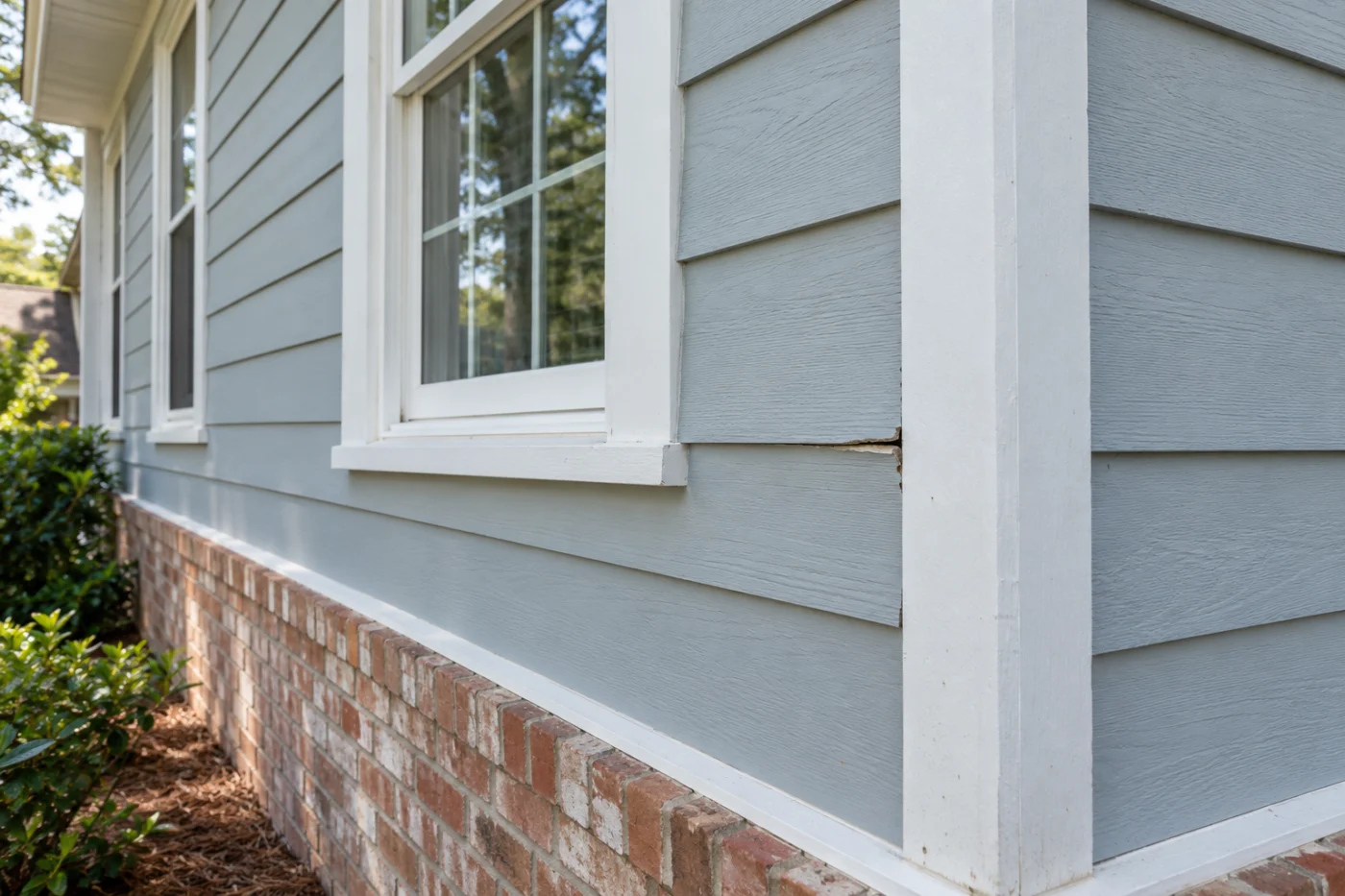
Look closely at the siding, the trim and where they meet.
Keep what works. Address what doesn’t.
Cracked panels, loose pieces and tired trim can make the entire front of a home feel neglected. The useful starting point is the affected area: what happened, whether the problem is isolated and how the surrounding siding is performing. Accent Home Improvements serves the New Orleans area with siding work, including repair and replacement. Tell us which wall needs attention and what you would like to preserve. We can discuss the assessment needed before choosing a scope. An appropriate repair should account for the material already installed, the condition of its connections and the appearance of the finished elevation. If a broader replacement deserves consideration, ask for that option to be explained separately so you can make an informed decision.
1 · PROJECT DETAILS
Define the area that needs attention.
Start by describing the visible concern in ordinary terms. A single cracked piece, a group of loose panels and repeated damage across several walls may lead to different conversations. Include when you first noticed the issue, whether anything has changed and which side of the home is affected. Clear ground-level photographs can help organize the request, but they cannot establish the full condition of a wall or replace an assessment.
Also mention nearby windows, doors, hose connections and roof edges. A problem that appears to involve only the face of the siding may have connected details worth reviewing. The aim is to agree on the area to be assessed before choosing materials or promising a limited fix. That keeps the first discussion focused on your property rather than a generic repair package.
2 · PROJECT DETAILS
Match more than the color.

From Accent’s existing photo collection.
A siding repair has an appearance side as well as an installation side. Existing material, panel profile, exposure, texture and the way adjacent pieces connect all matter. Older siding may have weathered differently on different elevations. A new piece that starts with the same listed color can still look different beside material that has been on the wall for years.
If you have purchase records, a leftover piece or the original product name, share that information. Availability and compatibility must be checked; a seamless visual match cannot be assumed. Discuss how noticeable a transition might be from the street and whether moving the repair boundary to a corner or another natural break would create a more coherent result. Your priorities should guide that choice.
3 · PROJECT DETAILS
Look beyond the visible finish.
The surface is only part of the conversation. Connections around openings, trim edges and the material behind removed siding can affect the final scope. Some conditions may remain concealed until work begins. Before authorizing a repair, ask what can be established during the initial assessment and what would require opening the affected area.
A written proposal should explain how newly discovered conditions would be documented, discussed and approved. That is especially useful when an older repair, an added window or a previous change to the wall creates uncertainty. Avoid treating a small visible defect as proof that everything behind it is sound. Equally, a concern about hidden conditions should lead to a clear process, not an unexplained assumption that the whole home must be replaced.
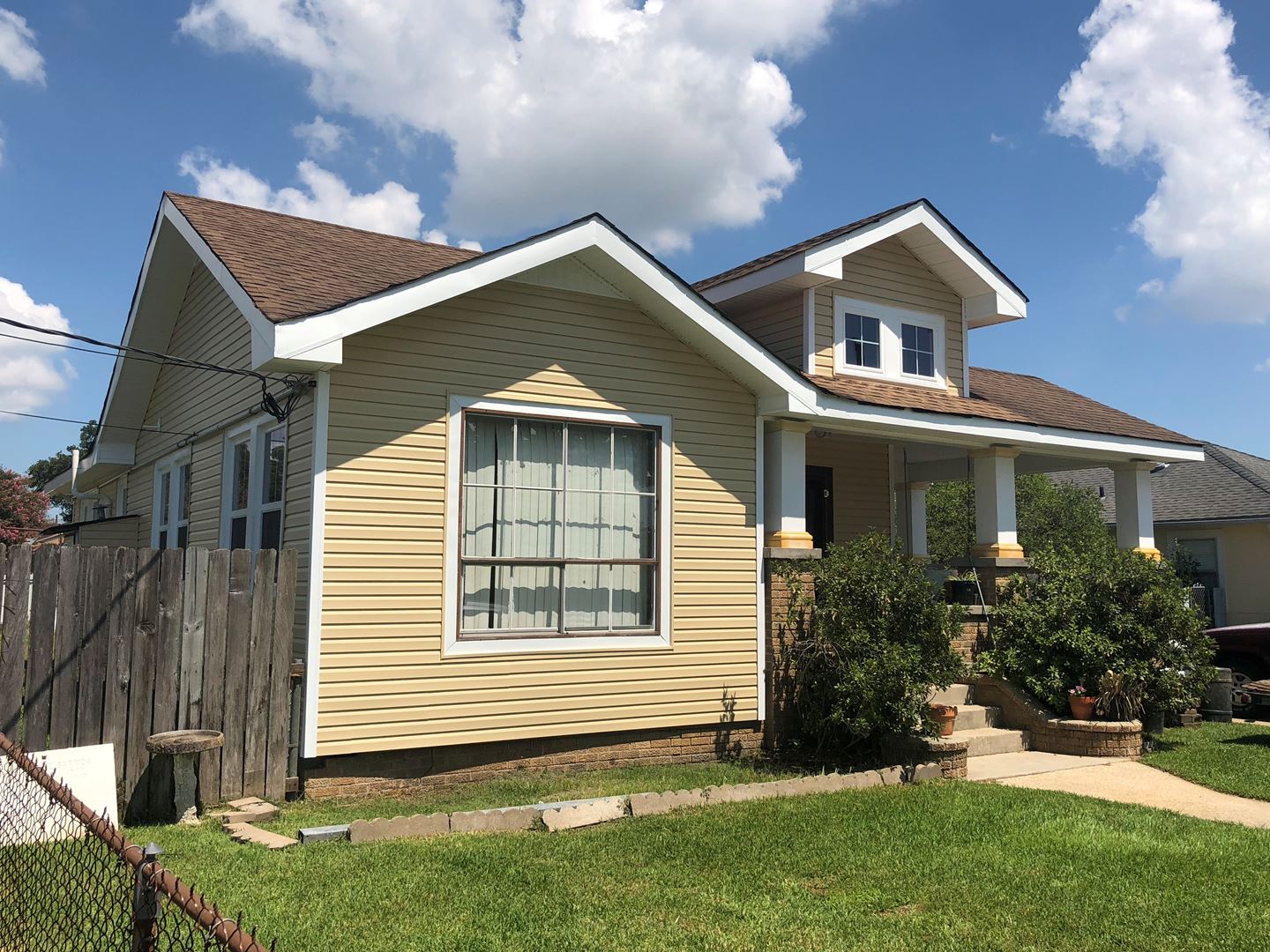
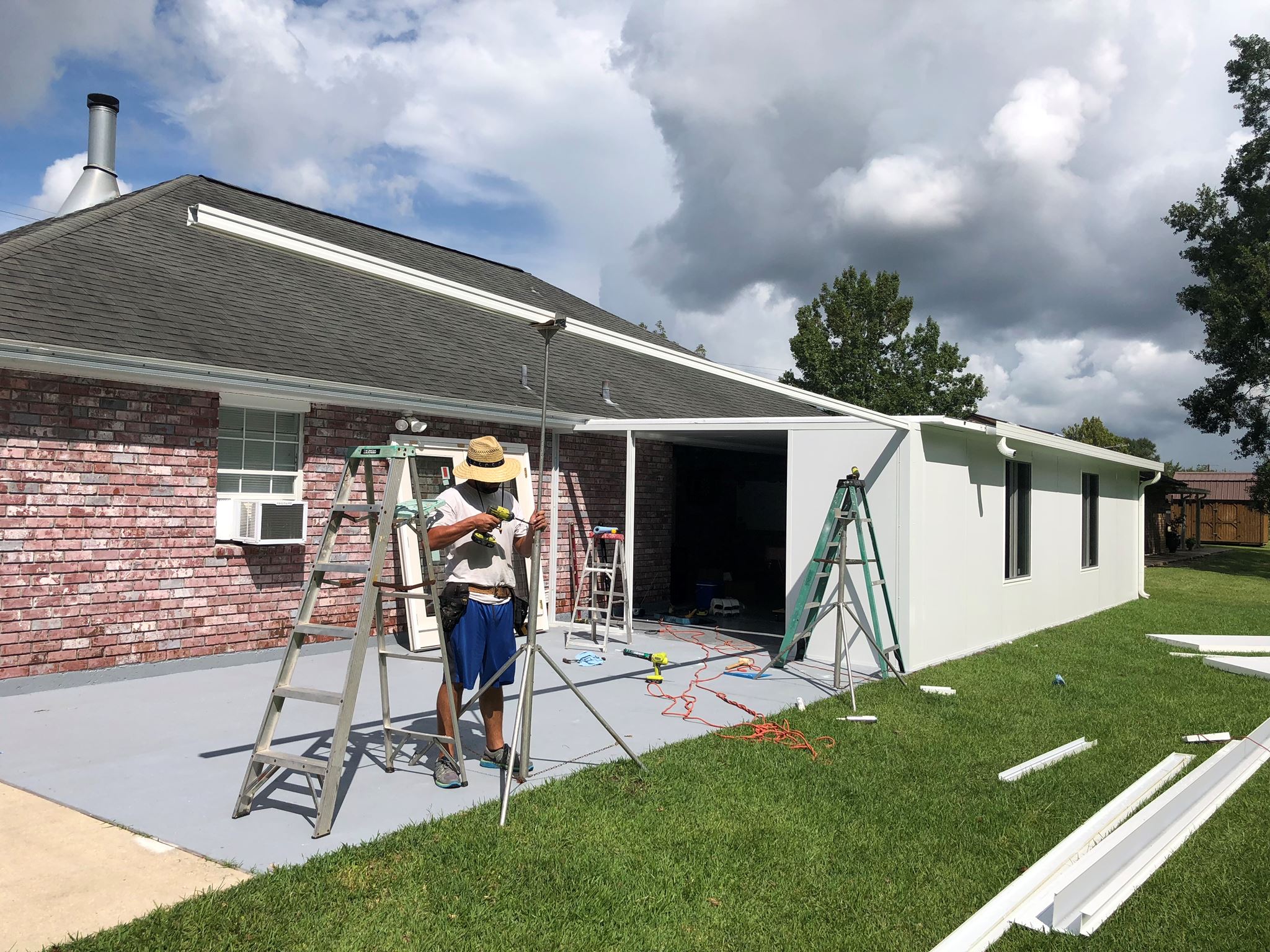
Explore the exterior details.
Browse Accent’s existing photo collection, then tell us which materials, proportions and outdoor features interest you.

Bring the details together.
Tell Accent what you want to change, where the home is and which connected improvements you are considering. A clear request makes the next conversation useful.
4 · PROJECT DETAILS
Compare a targeted repair with replacement.
The right boundary depends on the home and the problem. A limited repair may be worth considering when damage is localized and compatible material can be used. Replacement of a larger section may deserve discussion when the same issue is widespread, matching is impractical or you are already planning a broader exterior update.
Ask for the reasoning behind each option. Which existing components would stay? Where would the new work stop? How would the transition be finished? Comparing these points helps you evaluate the actual scope rather than comparing two totals that cover different work. If you want to keep a serviceable elevation and improve only the damaged side, say so early. The estimate conversation should reflect that preference and explain any conditions that could affect it.
5 · PROJECT DETAILS
Coordinate trim, windows and runoff.
From Accent’s existing photo collection.
Siding often meets several other parts of the exterior within a very small space. Window trim, door surrounds, soffit, fascia and gutter connections can influence both the look of the repair and the sequence of work. Tell Accent about other improvements you expect to make so those boundaries can be considered together.
For example, a future window replacement may affect nearby trim choices, while a gutter change may involve an adjacent fascia discussion. This does not mean every connected item needs to be replaced. It means the proposal should say which items are included, which are retained and where one scope ends. Clear coordination can help you avoid paying for finish work that you already intend to alter in a later phase.
6 · PROJECT DETAILS
Know what you are approving.
A useful siding repair proposal identifies the work area, the proposed material, removal responsibilities and the finish details included. Ask how access will be arranged, what needs to be moved away from the wall and what cleanup covers. Discuss scheduling after the assessment rather than assuming a particular completion date from a photograph.
If you are comparing repair and replacement, keep the options separated in writing. Note any material availability questions and any choices still awaiting your approval. Then use the estimate discussion to resolve those points before work starts. To begin, send your address, a short description of the affected siding and the best way to reach you. Call Eastbank at 504-888-4733 or Westbank at 504-341-8178 if a conversation is easier.
GOOD QUESTIONS. CLEAR ANSWERS.
Before you decide.
Explore the details below, then ask about the conditions and choices specific to your home.
Explore the connected work.
Make the next step a clear one.
Share your property location and priorities. Call Eastbank 504-888-4733 or Westbank 504-341-8178, or send your project request. Office visits are by appointment.
YOUR PROJECT · YOUR NEXT STEP
Ready for new siding?
Share your project and city or ZIP. Accent can discuss the existing space, your priorities and the details needed for an estimate.
- Share your project
A short request. Phone or email. No account needed.
- Review scope and estimate
Discuss the assessed work, materials, preparation and exclusions.
- Approve and plan the work
Confirm the agreed scope and installation arrangements with Accent.
Your request starts a conversation. You approve the work before installation.
